
Vandaag of morgen in huis

Kwaliteit gegarandeerd

Welkomstaanbiedingen ontgrendelen: GRATIS bezorging | Tot 80% korting | Gratis 30 dagen JoyPlus-proefperiode
Download de app
A pair of adidas running shoes might look convincing online, but an attractive colour or technical-sounding name doesn’t automatically mean the shoe is right for your running style. Different features matter for a run in the park, a longer distance run or a speed session.
Most disappointing purchases come down to three common pitfalls:
Many runners look for well-cushioned running shoes for everyday training and longer distances. Check which material is used in the midsole and what the model is designed for, according to the product information.
Cushioning isn’t a single figure that automatically tells you which shoe is right. A soft sole can feel comfortable, while a firmer, more responsive model may suit faster runs better. Think about whether you mainly run at an easy pace or regularly include speed work.
A breathable running shoe helps release heat and moisture, especially during longer training sessions. Mesh or technical textiles are often used to improve ventilation. Pay attention to the construction around the midfoot too:
According to the supplied product details, the adidas Adizero Boston 13 W and M have a mesh or textile upper with synthetic reinforcements and an adjustable lacing system.
If you often run on wet tarmac, cobbled streets or unmade paths, look for running shoes with good grip. Check the outsole material and tread. A rubber sole with defined lugs can be more practical on mixed terrain than a smoother, race-focused tread.
The Supernova Ease is described as having a rubber sole with lugs. According to the product information, the Supernova Stride 2 has an Adiwear rubber outsole. The Boston 13 features Continental rubber and a Lighttraxion outsole. These details describe the construction; grip can vary in practice depending on the surface, wear and running style.
The selection below is based on the available model specifications, stated intended use, materials and sizing information. The shoes aren’t directly comparable: an everyday training model is designed differently from a shoe for faster sessions.
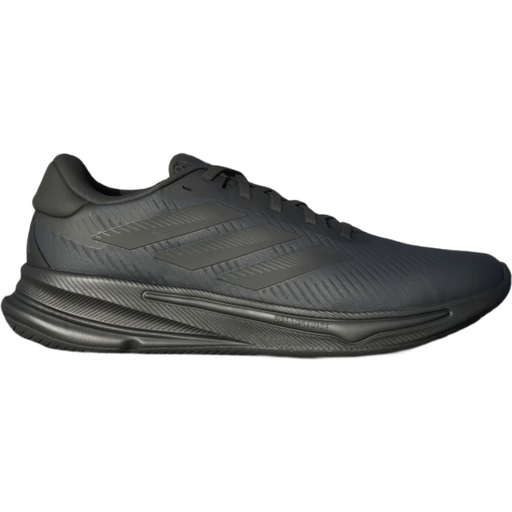
Why it suits this profile: According to the product description, this model is designed for short to medium distances and for building a running routine. Its mesh construction and Dreamstrike midsole make it a good match for anyone looking for a straightforward everyday training shoe.
You don’t have to choose based on low weight alone: the product details also specify a full-length Dreamstrike midsole, a regular fit and a rubber sole with lugs.
Breathable mesh upper, Dreamstrike foam and adjustable laces; size 42 2/3 is listed as a separate option.
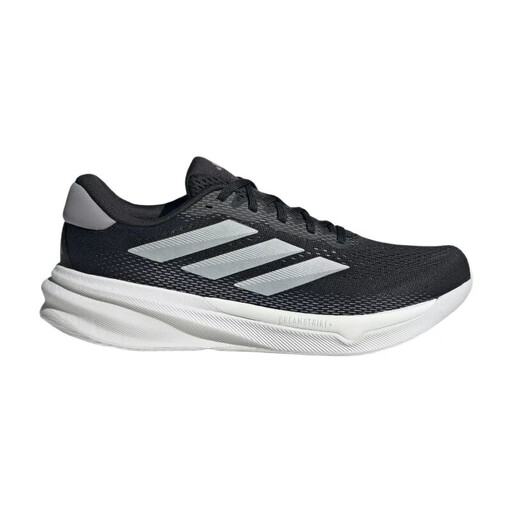
Why it suits this profile: For runners looking for a training shoe for longer distances, the combination of Dreamstrike+, EVA and mesh is worth considering. The product description also mentions an Adiwear outsole for grip and durability.
The choice isn’t based on appearance or brand name alone: the midsole, upper and outsole are all specified, making it easier to compare the shoe’s intended use.
Hybrid Dreamstrike+ and EVA midsole, breathable textile and mesh, Adiwear rubber, and at least 20% recycled and renewable materials, according to the product information.
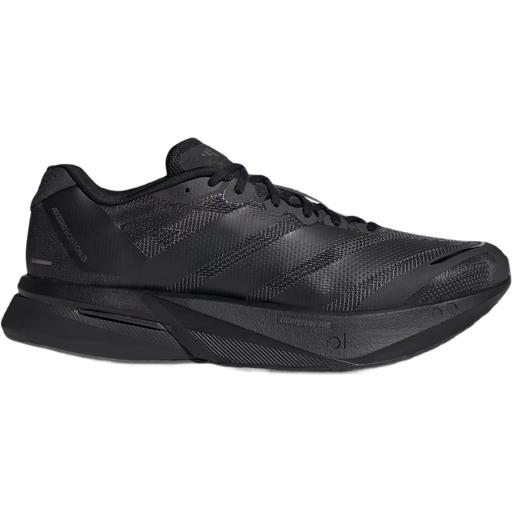
Why it suits this profile: According to adidas’ own product information, this model is designed for intensive training, tempo runs and race preparation. The combination of Lightstrike Pro, ENERGYRODS and a lightweight textile upper is aimed at runners who value speed.
The specifications make it clear that this isn’t an all-purpose walking shoe. If you mainly do easy recovery runs, you may be better off comparing it with an everyday training model.
Lightstrike Pro with ENERGYRODS, breathable textile and a Lighttraxion outsole with Continental rubber, according to the product details.
Models are often available in women’s or men’s versions, but the name alone doesn’t tell you whether the fit is right for you. Measure both feet at the end of the day and compare the longer foot with the size chart. Leave about a little-finger’s width of space at the toes, while making sure your heel doesn’t slip.
Pay particular attention to adidas half and third sizes, such as 37 1/3, 41 1/3 and 42 2/3. A model may be available in several sizes while the colour and version remain the same. Always check the size on the individual product page before ordering.
Don’t machine-wash running shoes unless the manufacturer explicitly says it’s safe to do so. The supplied adidas product information recommends cleaning them with a damp cloth and leaving them to air-dry away from direct heat.
We’ve put together a complete, up-to-date list of products that meet these strict selection criteria and the applicable European safety regulations.
It depends on how often you run, your body weight, the surface, the fit and how much the shoes have worn. Check the tread regularly, along with the upper for tears and the midsole for visible compression. Replace your shoes when comfort, stability or grip noticeably deteriorates.
It depends on the model. The product information describes the Supernova Ease and Supernova Stride 2 as suitable for everyday training and longer distances. The Adizero Boston 13 is more focused on intensive training and race preparation.
Prices vary depending on the collection, materials, technology, size and offers available. Don’t compare the price alone; consider how you expect to use the shoes too. A race-focused model isn’t automatically a practical choice for every everyday training session.
