
Vandaag of morgen in huis

Kwaliteit gegarandeerd

Welkomstaanbiedingen ontgrendelen: GRATIS bezorging | Tot 80% korting | Gratis 30 dagen JoyPlus-proefperiode
Download de app
adidas and PUMA trainers vary considerably depending on what you’ll use them for. A running shoe needs to be chosen differently from a pair for walking, training or a casual outfit. Yet many models look similar at first glance. It’s easy to focus on colour, brand name or a claim such as ‘lightweight’, when fit and sole construction are ultimately more important.
This buying guide helps sporty men and women in the Netherlands choose from adidas running shoes, PUMA running shoes, men's trainers, women's trainers and unisex trainers with confidence.
A low weight can feel comfortable, but it says nothing about cushioning, stability or grip. A lightweight running shoe for speed training often has a different construction from a trainer for everyday wear. So always check the midsole, the outsole tread and the intended use described.
Brands use comfort claims to describe different features: a soft insole, a breathable upper or a lightweight foam layer. According to PUMA’s product description, for example, the Anzarun Lite has a SoftFoam+ insole and an EVA midsole. This makes it an interesting option for walking, the gym and casual wear, but it doesn’t automatically make it a long-distance running shoe.
EU sizes can feel different from one brand or model to another. So, as well as checking the EU size, look at the foot length in millimetres or centimetres. The adidas Supernova Stride 2, for example, is available in sizes including EU 41 1/3, 42, 44 2/3 and 46. The PUMA Anzarun Lite comes with a detailed size chart showing foot lengths. Measure both feet at the end of the day and choose your size based on the longer foot.
The midsole largely determines whether a shoe feels firm or soft. More cushioning can feel comfortable for easy training sessions and longer walks. For speed training, many people look for a more responsive feel.
According to its product information, the adidas Adizero Boston 13 has a Lightstrike Pro midsole with ENERGYRODS. The model is described as suitable for intense training and race preparation. That makes this adidas running shoe a more logical choice for athletes who prioritise speed training than for someone mainly looking for a neutral casual shoe.
A mesh or textile upper can help with airflow. Also check how the shoe fastens and whether it holds your midfoot securely. A lace-up fastening with reinforcements can help keep your foot in place during training, but the right fit is personal.
Pay attention to the width at the forefoot. A rounded toe can offer more room, while a narrower, race-focused fit may feel more direct. If you’re unsure, try the shoe on indoors with the socks you normally wear for sport.
For tarmac, paving and the gym, a rubber outsole with an even tread is usually practical. Grip is an important consideration on wet British and Dutch streets. According to its product page, the adidas Supernova Stride 2 has an Adiwear rubber outsole. The PUMA Skyrocket Lite 2 is described as having a full rubber outsole and a 10 mm heel-to-toe drop.
A lifestyle model such as the PUMA Speedcat OG has a low-profile, streamlined design and a rubber outsole. This type of trainer is best suited to everyday wear and casual sportswear, rather than intense running training.
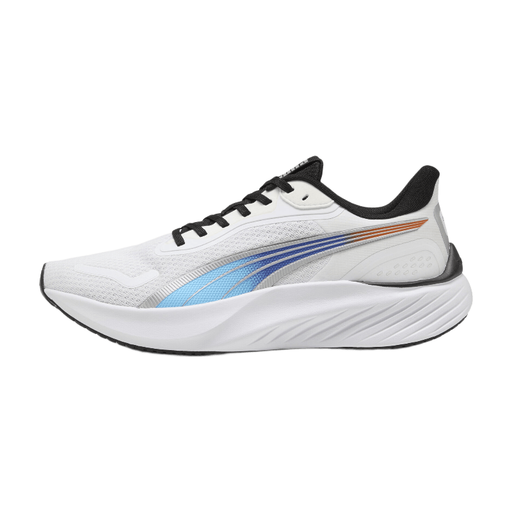
Why it suits this profile: Its lightweight feel, lace-up fastening and versatile shape make it a good choice for beginners looking for one pair for walking, light training and everyday wear.
The product description goes beyond mentioning comfort: it also specifies a lightweight foam layer, a PROTREAD outsole and an upper made with at least 30% recycled materials.
Textile and synthetic upper, rubber outsole and a design described on the product page as suitable for running, training and everyday wear.
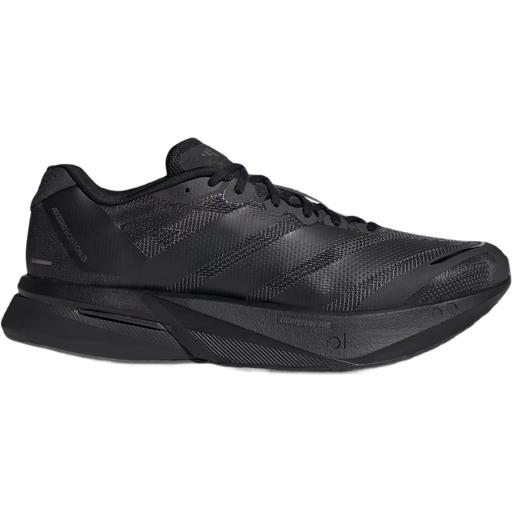
Why it suits this profile: This model is aimed at athletes looking for an adidas running shoe for intense training and a responsive feel.
Its construction is clearly specified: Lightstrike Pro, ENERGYRODS, a textile upper and Lighttraxion with Continental Rubber at the forefoot.
Lightweight textile, responsive cushioning and an outsole construction designed to provide grip during speed training.
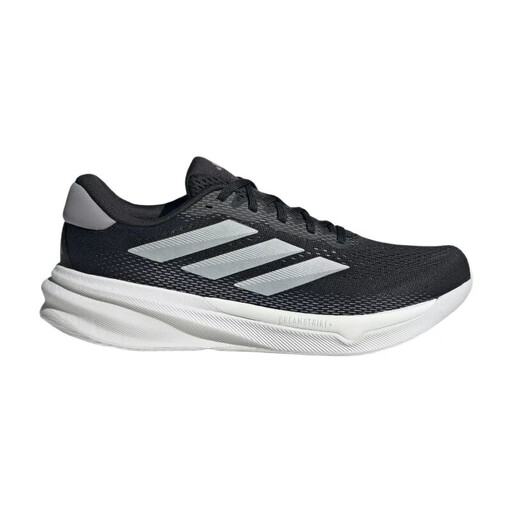
Why it suits this profile: A training shoe for regular runners and walkers, with mesh, a Dreamstrike+ and EVA midsole, and a durable rubber outsole.
The product information makes its intended use clear: training, longer runs and everyday comfort. This makes it easier to distinguish from a pure lifestyle trainer.
Adiwear rubber, textile and synthetic mesh, plus at least 20% recycled and renewable materials according to the product description.
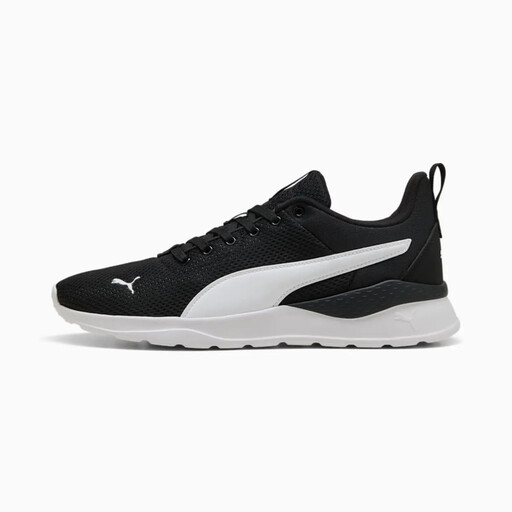
Why it suits this profile: Its sporty look works well for errands, commuting, light gym sessions and everyday outfits.
It’s clearly described as an all-day trainer. So you won’t mistake this model for a race-focused running shoe.
Breathable mesh, an EVA midsole, rubber grip and a SoftFoam+ sockliner, according to the product description.
We’ve put together a complete, up-to-date list of products that meet these strict selection criteria and the applicable European safety regulations.
If you mainly walk outdoors or train on tarmac, you could also consider the PUMA Skyrocket Lite 2. This unisex model is described as having PUMALITE cushioning, SoftFoam+ and a 10 mm heel-to-toe drop. For a sporty shoe with a more casual feel, the PUMA Pounce Lite is a practical option.
The PUMA Speedcat OG has a low profile, leather upper and streamlined shape. With this model, pay particular attention to whether you have enough room at the forefoot. For adidas fans, the adidas Supernova Rise M ATR and the adidas Supernova Stride 2 are worth considering if you want to combine grip, training and everyday wear.
It depends on the model. The adidas Adizero Boston 13 and Supernova Stride 2 are described as being designed for running training. Models such as the PUMA Anzarun Lite and Speedcat OG are more suited to everyday wear, light training or a casual outfit.
Lifespan depends on your body weight, running style, the surface, how often you use them and how well you look after them. Don’t rely only on a set number of kilometres. Reduced grip, compressed cushioning, uneven wear or a loose-fitting upper are practical signs that it may be time to replace a pair.
Not without checking. Use your EU size as a starting point, but also compare your foot length in millimetres or centimetres and check the specific size chart. If you’re between sizes, the larger size may be more comfortable, as long as your heel doesn’t slip and the shoe holds your foot securely.
