
Vandaag of morgen in huis

Kwaliteit gegarandeerd

Welkomstaanbiedingen ontgrendelen: GRATIS bezorging | Tot 80% korting | Gratis 30 dagen JoyPlus-proefperiode
Download de app
A pair of Adidas men's shoes might look appealing online, but the photos don’t tell the whole story. A soft sole, for example, isn’t automatically suitable for running. And a retro silhouette that goes well with jeans won’t always offer enough ventilation or grip for long walks.
When comparing shoes, look out for these three common pitfalls:
For everyday wear, synthetic leather, suede and textile are practical choices. A leather or suede upper has a classic look, as seen on the Adidas Samba OG men's shoes. A mesh upper is generally lighter and, according to the product description, lets more air through. That makes it a more sensible choice for walking, training or running.
Check the lining too. A textile lining can feel comfortable, but doesn’t tell you anything about the fit on its own. So always check the description for details such as a standard lace fastening and a regular fit.
The sole should suit the way you plan to use the shoes:
A brand’s claim about cushioning or energy return should be read as a claim made in the product information. According to adidas, certain midsoles are designed to provide responsive cushioning, but your personal experience will also depend on your running style, the surface and the fit.
Measure both feet at the end of the day, wearing the socks you’d normally wear. Use the longer foot as your guide and compare the measurement with the size chart for the specific model.
The range includes Adidas shoes in sizes from 40 to 44 2/3. The size shown doesn’t correspond to exactly the same foot length for every model. For example, the Run 70s 2.0 lists a foot length of 25.5 cm for size 40, while the Samba size chart gives different foot lengths for EU 40 and 40 2/3. So always check the product page before ordering.
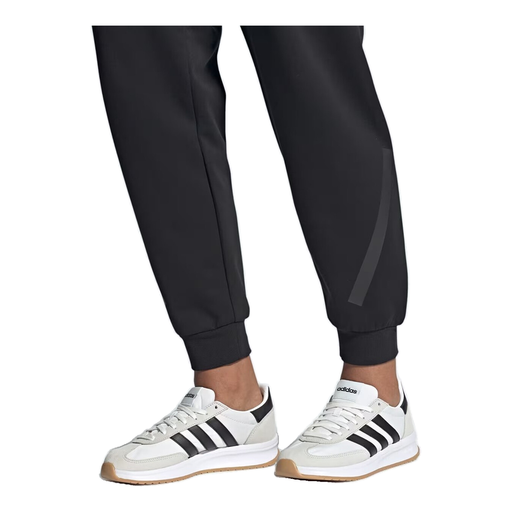
Why it suits this profile: This model pairs a retro look with a flexible rubber outsole, making it a good choice for everyday outfits, errands and relaxed walks.
The product information lists the materials, lining, sole and a foot length of 25.5 cm. This gives you more to compare than appearance alone.
Synthetic leather and textile, a breathable textile lining, and a lightweight, flexible rubber sole.
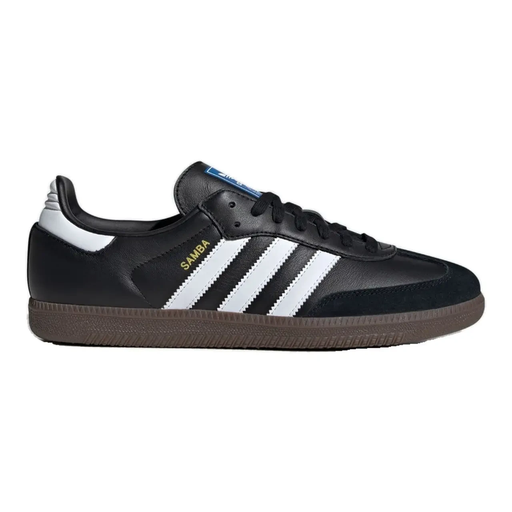
Why it suits this profile: The combination of full-grain leather, suede details and a gum rubber cupsole makes this a good choice if you’re after a distinctive, smart casual shoe.
The materials are clearly described, so you can see that this is a lifestyle model rather than a running shoe with a technical mesh construction.
Full-grain leather with suede overlays, a regular fit, lace fastening and a gum rubber cupsole.
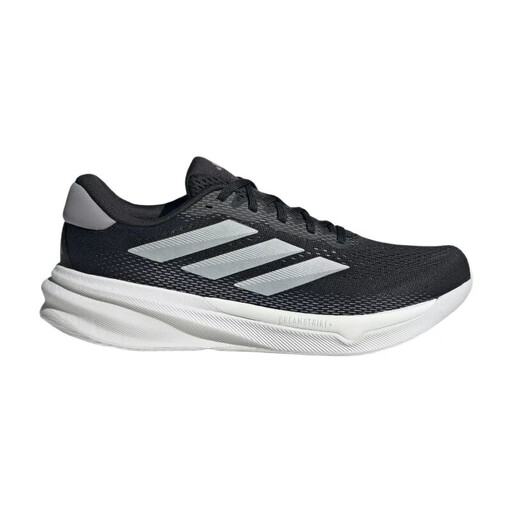
Why it suits this profile: According to the product description, this model is designed for training and longer runs, with mesh and Dreamstrike+ and EVA in the midsole.
The shoe isn’t simply described as comfortable; the product page also specifies the mesh, midsole construction and Adiwear rubber.
Textile and synthetic mesh, Dreamstrike+ and EVA, plus an Adiwear outsole for grip and durability according to the product specifications.
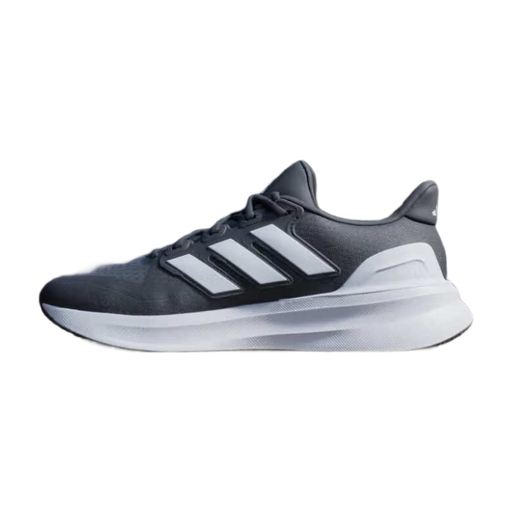
Why it suits this profile: The combination of mesh, Bounce 2.0 and a grip-focused Adiwear outsole makes this a good match for regular runs and fitness training.
This shoe hasn’t been chosen on colour alone: size 43 1/3 lists a foot length of 270 mm, and the product page specifies a regular fit.
Mesh upper, Bounce 2.0 midsole, Adiwear rubber and an OrthoLite insole, according to the product description.
Clean Adidas shoes with a damp cloth and leave them to air-dry. According to the care information, the models listed aren’t suitable for machine washing. Don’t use bleach or place shoes directly on a radiator. After a wet training session, let running shoes dry completely before wearing them again.
Lifespan depends on distance covered, body weight, surface, rotation with other shoes and care. Check regularly for a worn-down tread, visible midsole deformation or a heel structure that feels less stable. A casual model such as black Adidas shoes can stay looking smart for a long time with normal everyday wear, but it isn’t automatically suitable for sporting activities.
We’ve put together a complete, up-to-date list of products that meet these strict selection criteria and the applicable European safety regulations.
For everyday wear, models such as the Run 70s 2.0, Barreda Decode and Samba OG are generally a better fit than technical running shoes. Look for a comfortable fit, a rubber outsole and materials that suit your clothes and care routine.
It varies from model to model. Many product pages specify a regular or standard fit, but the foot length for each EU size can vary. Measure your feet and check the size chart for the model you’ve chosen, especially for sizes such as 40 2/3, 42 2/3 and 44 2/3.
There’s no set timeframe that applies to everyone. Check for wear on the outsole, midsole deformation and changes in stability or fit. If you run regularly, it’s a good idea to check the condition of your shoes often rather than relying on the purchase date alone.
