
Vandaag of morgen in huis

Kwaliteit gegarandeerd

Welkomstaanbiedingen ontgrendelen: GRATIS bezorging | Tot 80% korting | Gratis 30 dagen JoyPlus-proefperiode
Download de app
Whether you're hitting the slopes, diving into the ocean, or capturing your mountain biking adventures, a good action camera is indispensable. However, the market is flooded with models, all promising impressive specifications. It can be challenging to determine which camera truly fits your needs.
As a Joybuy Product Recommendation Officer, I'm here to guide you. In this article, I'll provide practical tips and highlight some popular choices for 2026 based on their specifications. This will help you make an informed decision that suits your adventures.
Before we look at the models, here are a few key points to consider. These will help you better understand the specifications of an action camera.
A 4K camera is the standard nowadays, and some models even offer 8K. While higher resolution means more detail, the camera's sensor is at least as important. A larger sensor captures more light, resulting in better image quality, especially at sunset or in a dense forest. So, don't just focus on the resolution; also pay attention to the sensor size, often indicated in inches (e.g., 1/1.3-inch).
No one enjoys shaky footage. A camera with image stabilisation is therefore essential for any sports or action video. Technologies like RockSteady, HorizonSteady, or FlowState ensure smooth recordings, even during the most intense activities. Additionally, a sports camera needs to be durable. Check if the model is a waterproof camera without needing an extra housing and if it's resistant to low temperatures, which is useful for winter sports.
In the heat of the moment, you don't want to be fumbling with complicated menus. Features like a magnetic quick-release system, a flip-out screen for vlogs, and the ability to shoot vertically right out of the box make life much easier. A long battery life and a fast-charging option ensure you never miss a crucial moment.
Below is a selection of popular models that stand out for their specifications and features.
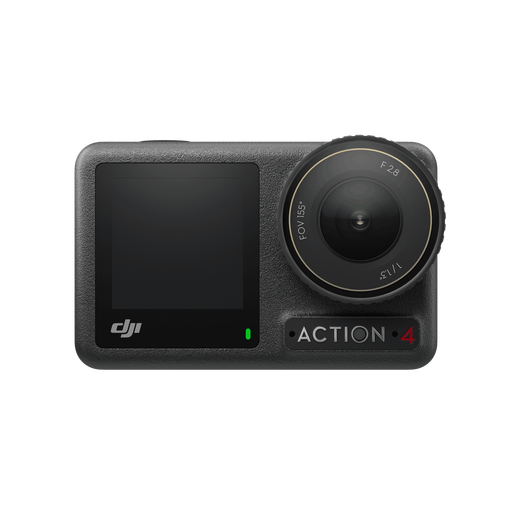
Why It Stands Out The DJI Osmo Action 4 focuses on reliability under harsh conditions. According to the manufacturer, DJI, it excels with its large sensor for low-light performance and its impressive frost resistance.
Pros
Who Is It For? This model is a solid choice for the all-around adventurer seeking a robust and reliable vlog camera for diverse conditions, from skiing in freezing temperatures to filming at dusk.
View the DJI Osmo Action 4 Adventure Combo
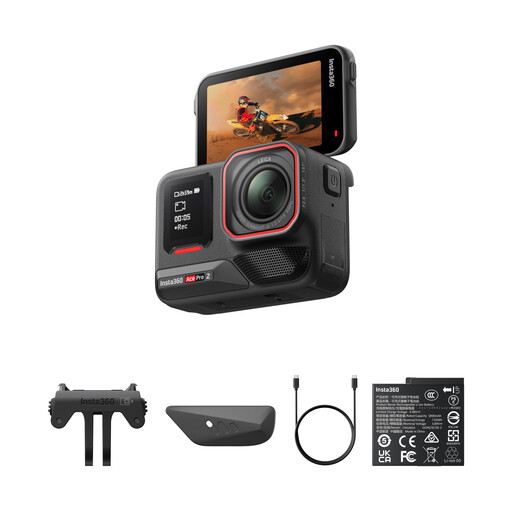
Why It Stands Out The Insta360 Ace Pro 2, co-engineered with Leica, aims for maximum image quality with an 8K sensor and advanced AI processing, according to the manufacturer.
Pros
Who Is It For? The content creator who seeks the highest possible resolution and cinematic image quality. The combination of the Leica lens and 8K video makes it ideal for those who want to crop footage without losing quality.
View the Insta360 Ace Pro 2 Bundle
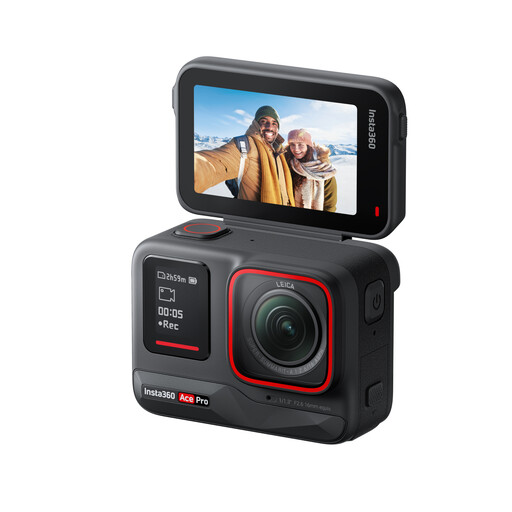
Why It Stands Out The Insta360 Ace Pro shares many of the premium features of its sibling, such as the collaboration with Leica and the AI chip, but it focuses on delivering excellent performance in 4K.
Pros
Who Is It For? An excellent option for the vlog camera user and action sports enthusiast looking for top-quality 4K footage, advanced stabilisation, and smart features, without necessarily needing 8K resolution.
While a good action camera is essential for capturing your adventures, it's also important to keep an eye on your surroundings and equipment. For example, are you looking for smart devices to monitor water levels in your boat or to protect your valuable gear from water damage?
Check out our range of water sensors here
What is the difference between 4K and 8K in an action camera? 8K resolution offers four times as many pixels as 4K. This means more detail and the ability to zoom in further or crop footage without significant quality loss. The downside is that 8K files are much larger and require a powerful computer for editing. For most users, 4K is more than sufficient for sharp and detailed videos.
How important is image stabilisation for a sports camera? Image stabilisation is crucial. Without it, recordings from activities like mountain biking, skiing, or running would be unusably shaky. Modern stabilisation technologies digitally correct vibrations and movements, resulting in smooth, professional-looking footage.
Can I use a waterproof camera directly in salt water? Yes, most modern waterproof cameras can be used in salt water up to their specified depth. However, it is crucial to thoroughly rinse the camera with fresh water after each use in salt water. This prevents salt crystals from accumulating and damaging the seals, buttons, or microphone ports. Always check the manufacturer's manual for specific instructions.
