
Vandaag of morgen in huis

Kwaliteit gegarandeerd

Welkomstaanbiedingen ontgrendelen: GRATIS bezorging | Tot 80% korting | Gratis 30 dagen JoyPlus-proefperiode
Download de app
You’ll often want to treat a spot quickly and discreetly. Acne patches, also known as pimple patches or spot plasters, can be a practical option: apply one to clean skin and leave it on for a few hours or overnight. However, not all patches are the same. A low price doesn’t tell you how many usable patches you’ll get, while eye-catching packaging is no guarantee of a good fit.
Look out for these three common pitfalls:
Many acne patches are made from hydrocolloid material. According to the product descriptions for the COSRX products mentioned here, this material can absorb moisture and impurities from a spot while also creating a physical barrier against dirt and friction. This is a product feature, not a guarantee of a particular result for your skin.
A patch is mainly intended for a clearly defined spot. Don’t apply one to a large area of skin, around your eyes or to severely irritated skin. Some versions contain additional ingredients, such as salicylic acid or tea tree oil. Check the ingredients list if your skin is prone to reacting.
Don’t compare just the price per pack; also check the number of patches and the sizes included. A pack of 90 small patches may work out cheaper for everyday use than a smaller pack of 24 in mixed sizes. According to the product information, COSRX Master Patch Original Fit contains patches measuring 7, 10 and 12 mm. That’s useful if you want to cover both small and larger spots.
Replace a hydrocolloid patch according to the instructions on the packaging. For some COSRX versions, it’s recommended that you replace the patch when it turns white or after a few hours. Reapplying a used patch isn’t hygienic and reduces its adhesion.
For a patch to stick well, your skin must be clean and completely dry. Ideally, apply it before serum, cream or make-up, unless the instructions say otherwise. A transparent or matte spot patch is less noticeable during the day. An oval shape may be more practical than a round patch for your jawline or hairline.
Also check the warnings. The product information for various COSRX versions says to use the patches only on unbroken skin and to stop using them if irritation occurs. If your acne is persistent or severe, it’s better to speak to your GP or pharmacist than to keep using more patches.
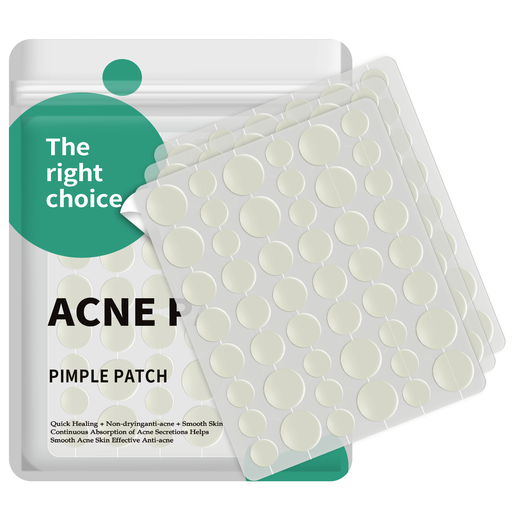
Why it suits this profile: The pack contains 48 patches across three sheets. That makes it a straightforward choice if you’d like to try pimple patches without buying a large supply straight away.
The total number of patches and sheets is clearly stated. Before buying, check the exact size and ingredients on the product page.
48 patches and three separate sheets; suitable for trying them out on different occasions.
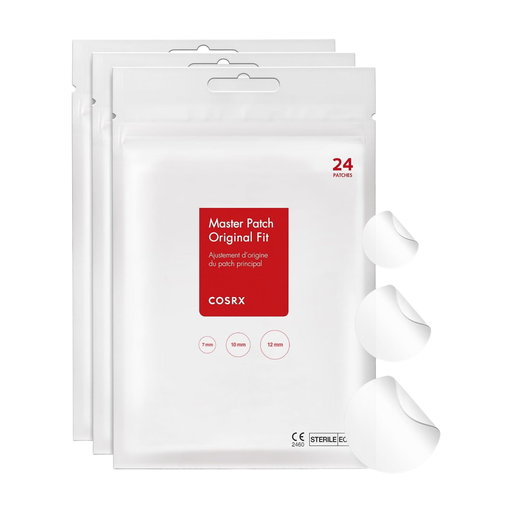
Why it suits this profile: If having different sizes matters to you, the product information lists three diameters: 7, 10 and 12 mm. This helps you choose a patch that better matches the size of your spot.
Three sizes reduce the chance of relying on a single standard size that doesn’t fit properly.
24 hydrocolloid patches; three sizes; according to the product information, replace the patch when it turns white or daily.
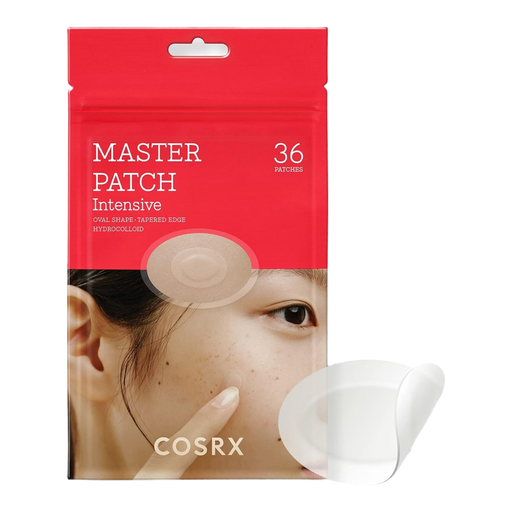
Why it suits this profile: According to the product information, the oval shape is designed for curved areas such as the jawline and hairline. This version also contains salicylic acid and tea tree oil, so check beforehand that these ingredients suit your skin.
The shape is designed for curved areas of skin, so you don’t have to rely on round patches alone.
36 patches; oval shape; matte, transparent finish; according to the product information, wear for up to six hours or overnight.
For small grazes or cuts, you’ll need a different product. Hansaplast Elastic Plasters are elastic fabric wound plasters with a non-stick wound pad. If water resistance is important, Hansaplast Aqua Protect XL Fast Healing Wound Plasters are designed for minor wounds. According to the product description, they’re waterproof and breathable. Don’t use these Hansaplast wound plasters as a replacement for acne patches.
We’ve put together a complete, up-to-date list of products that meet these strict selection criteria and the applicable European safety regulations.
Gently cleanse your skin and dry the area completely. Choose a patch that covers the spot without covering much of the surrounding skin. If the instructions say to, apply it before skincare products or make-up. Press it down briefly to help it stick.
It depends on the product. Some versions are designed to be worn for a few hours or for around six hours at most; others can be worn overnight, according to the packaging. Replace the patch as soon as it turns white, comes loose or reaches the stated wear time.
Acne patches are mainly intended for individual spots. They aren’t necessarily suitable for blackheads, larger areas of blemishes or recurring acne. Check the instructions and ingredients. Stop using the patches if irritation occurs, and ask your GP or pharmacist for advice if symptoms persist.
