
Livraison le jour même et le lendemain

Qualité garantie

Débloquez vos offres de bienvenue: Livraison GRATUITE | Jusqu'à -80 % | 30 jours d'essai gratuits à JoyPlus
Téléchargez l'application
Spots, blackheads and a shiny T-zone do not automatically call for an aggressive cleanser. If you are looking for a facial cleanser for acne, you will often come across products described as offering “deep pore cleansing”, “anti-spot” benefits or “refined pores”. Such descriptions alone do not tell you much. The formula, frequency of use and suitability for your skin type are more important.
A good facial cleanser for acne removes sweat, dirt, sun cream and excess sebum without leaving your skin feeling tight for a prolonged period. Also watch out for the following common pitfalls.
A tight or dry feeling after washing is sometimes seen as proof that a cleanser is working well. It may also mean that your skin is losing too much oil and moisture. As a result, daily use can become uncomfortable. If you have oily or combination skin, choose a formula that removes sebum without a great deal of friction or repeated washing.
A scrub containing exfoliating particles alongside ingredients such as salicylic acid, AHA or PHA calls for a cautious approach. For example, the NIVEA DERMA Skin Clear Face Scrub lists salicylic acid and niacinamide and recommends using it no more than two to three times a week. So do not automatically use this type of product as your daily facial cleanser.
Tea tree, fragrance, peppermint oil and essential oils may be unpleasant for some users. If your skin is sensitive or reacts easily, always check the full ingredients list. Test a new cleanser for blemish-prone skin on a small area of skin first, and stop using it if you experience irritation, redness, itching or a burning sensation.
A salicylic acid facial cleanser contains a BHA which, according to the product information, may help loosen dead skin cells and cleanse pores. As a cleanser is rinsed off, contact with the skin is limited. It is therefore sensible to focus mainly on tolerance and usage instructions, rather than just the ingredient highlighted on the front of the packaging.
AHAs, such as citric acid or lactic acid, and PHAs such as gluconolactone are also used for exfoliating skincare. According to the warnings provided with such products, AHA and PHA can increase sensitivity to sunlight. Use sun cream during the day and limit unnecessary exposure to the sun.
Niacinamide is included in some NIVEA DERMA formulas, among others. According to the brand’s product description, this ingredient is intended to support a more even-looking complexion and regulate sebum. This is a brand claim and does not guarantee the same result for every user.
An acne cleansing foam is practical when you want to apply and rinse off a lightweight foam quickly. A gel often feels fresh and suits a daily cleansing routine. A cream or balm texture may feel more comfortable if your skin tends to feel dry quickly.
Check whether the product is intended for daily use or for use just a few times a week. A pore cleanser containing exfoliating particles or several acids will generally need to be used less frequently than a mild gel without exfoliating ingredients.
For a facial cleanser for oily skin, mild cleansing agents, a short contact time and clear usage instructions are all relevant. If you have combination skin, a product intended for the T-zone may seem suitable but could still be too drying for your cheeks.
For sensitive skin, a simple ingredients list, minimal fragrance and a gentle formula are practical points to consider. Product claims such as “hypoallergenic”, “dermatologically tested” or “suitable for sensitive skin” come from the brand. So also check the ingredients and follow the safety instructions on the packaging.
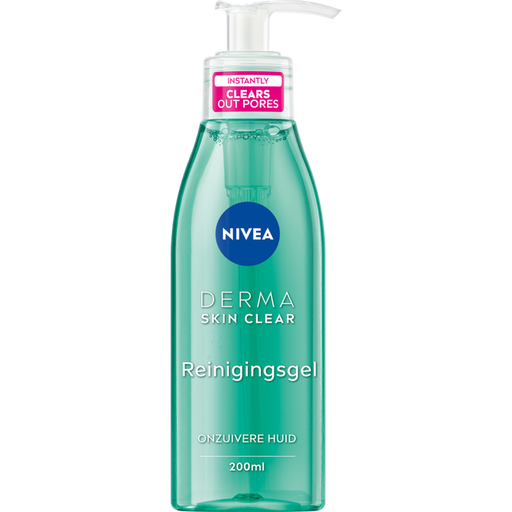
Why it suits this profile: A 150 ml gel texture which, according to the product information, is intended for daily use on oily, blemish-prone skin.
The recommended frequency is clearly stated as morning and evening, and no exfoliating particles are mentioned.
Contains salicylic acid and niacinamide; according to the product information, the formula is fragrance-free.
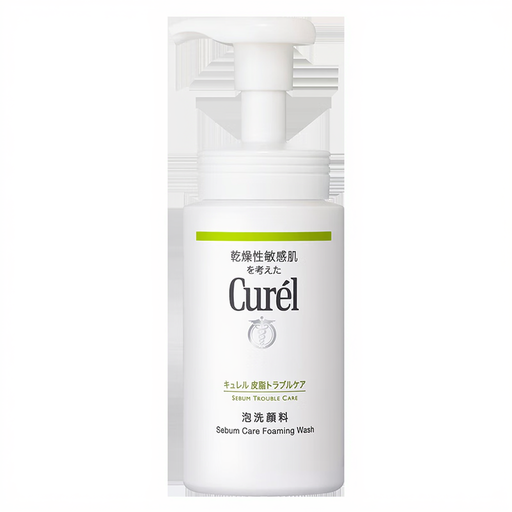
Why it suits this profile: Designed for users who want a gentle foam for dry or sensitive skin, including when blemishes occur alongside a fragile-feeling complexion.
The product description mentions a fragrance-free formula and no scrub or acids, making over-exfoliation less likely.
150 ml, a foaming texture and, according to the product information, ceramides, a pH-balanced formula and no fragrances.
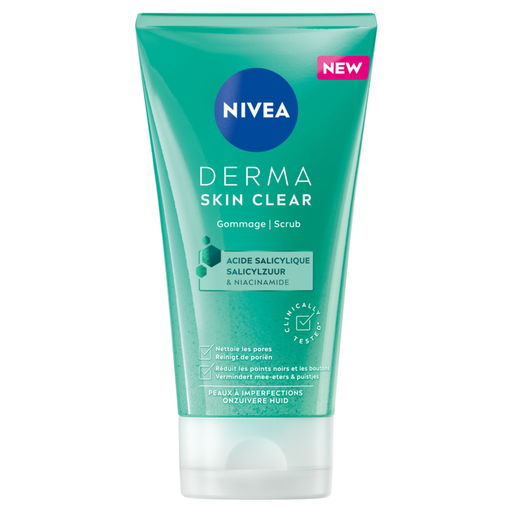
Why it suits this profile: Suitable for anyone who wants to schedule an occasional scrub for the face or body alongside their cleansing routine.
The label states that it should be used no more than two to three times a week. This helps prevent the scrub from being used as a daily face wash.
150 ml; according to the ingredients list, contains lactic acid, salicylic acid and niacinamide.
We have put together a complete, up-to-date list of products that fully meet these strict selection criteria and the applicable European safety regulations.
A facial cleanser can remove dirt and sebum, but it is not a treatment for every form of acne. If you have persistent, painful or widespread skin problems, it is wiser to seek advice from your GP or pharmacist.
That depends on the formula. A mild gel or foam can be used daily according to the product instructions. A scrub or cleanser containing several exfoliating ingredients may instead come with advice to limit use. Always follow the label and watch out for a tight or irritated feeling.
This varies depending on the volume, dosage and frequency of use. A 150 ml bottle will generally last longer with daily use than a 50 or 100 ml product, but the actual usage period depends on how much you use each time you wash. Also check the expiry information on the packaging and make a note of when you open the product.
Start by considering your skin type and tolerance. For oily skin, some users choose a formula containing salicylic acid. For sensitive or dry skin, a fragrance-free, gentle foam or gel may be the more logical choice. A cleanser removes impurities from the skin’s surface; do not expect a guaranteed solution for spots or blackheads.
