
Vandaag of morgen in huis

Kwaliteit gegarandeerd

Welkomstaanbiedingen ontgrendelen: GRATIS bezorging | Tot 80% korting | Gratis 30 dagen JoyPlus-proefperiode
Download de app
An acne face wash might seem easy to pick: just look for words like “pores”, “spots” or “deep cleansing”. Yet sometimes you’re paying more for the marketing than the formula. A foam that leaves your skin feeling extremely tight isn’t necessarily cleaning better. And a product with multiple acids isn’t right for every skin type.
When you buy an acne face wash in the UK, it pays to look beyond the packaging. Pay close attention to the ingredients, your skin type, the size and the usage instructions. That way, you can avoid buying a cleanser that’s too drying, gets used incorrectly, or ends up gathering dust in your bathroom.
After washing, a very tight sensation might feel satisfying, especially if you have oily skin. However, it doesn’t tell you how much dirt or sebum has actually been removed. An overly harsh daily face wash can feel uncomfortable and may not suit sensitive or combination skin.
Instead, choose a formula that removes excess oil and impurities without leaving your skin feeling dry for a long time after rinsing. Glycerine, mild surfactants and clear usage instructions are more important than just the claim “deep cleansing”.
A salicylic acid face wash can be a good option for oily skin, blackheads and clogged pores. Some formulas also combine AHA and PHA. That doesn’t mean you should wash more often or for longer. Overusing them can actually lead to redness, stinging or an unpleasant dry feeling.
So check the stated concentration, any warnings and the recommended frequency of use. For products with salicylic acid, AHA or PHA, a patch test is wise. Avoid using them on damaged or irritated skin, and stop if irritation occurs.
A face wash for oily skin is not the same as a body cleanser. The range also includes products for your back, chest and shoulders. Always check that the packaging says “face”, “facial” or “face wash”.
Also pay attention to the size. A 50 ml pack can be handy as a travel size or to try out a formula first. A tube of 125 to 150 ml is more practical if you’re washing morning and evening every day.
For excess oil and blackheads, you’ll often see salicylic acid, also known as BHA. This ingredient is listed, for example, in the Salicylic Acid Daily Gentle Cleanser with 0.5% salicylic acid and in the SOME BY MI Acne Clear Foam with 5,000 ppm salicylic acid. According to the product descriptions, these formulas are aimed at oily or acne-prone skin.
Other ingredients have different purposes:
Always check the current ingredients list on the packaging. Formulas can change.
A mild face wash can be a sensible choice if you have sensitive skin or if you’re already using other active skincare. For oily or combination skin, a foam or gel can feel nice, as long as it doesn’t leave your skin feeling tight for a long time after use.
A product claim like “dermatologically tested”, “alcohol-free” or “fragrance-free” should be read as information from the product description. It’s not a guarantee that everyone will tolerate the formula without issues. According to the product information from some brands, patch tests and stopping if irritation occurs are recommended.
Wet your face, use a small amount and massage gently with your fingertips. Scrubbing hard doesn’t automatically help with blackheads. Rinse thoroughly with lukewarm water and pat dry.
Don’t use several exfoliating cleansers at the same time. If you’re also using an exfoliant, retinoid or other active treatment, you might want to choose a simpler cleanser for acne-prone skin. For persistent or severe skin problems, it’s best to consult a GP or skincare professional.
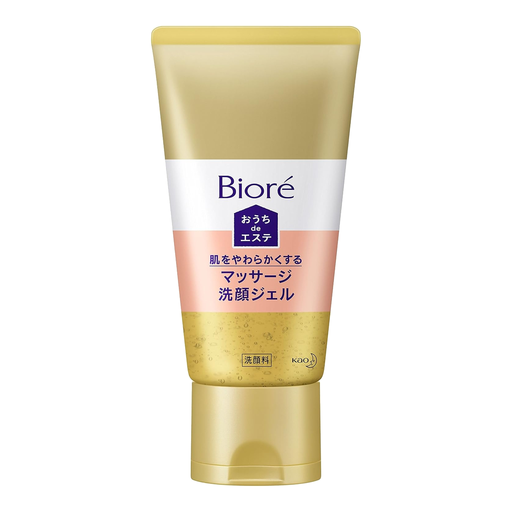
Why this fits the profile: A simple foaming face wash with 150 g for anyone who wants to remove excess oil, dirt and impurities daily without combining multiple active ingredients straight away.
The product information doesn’t mention a combination of AHA, BHA and PHA. That makes the formula more straightforward for beginners who want to build a basic routine first.
150 g content; rich foam texture; according to the product description, suitable for all skin types, with extra focus on oily and combination skin.

Why this fits the profile: For anyone specifically looking for a Korean face wash with a clearly stated concentration of salicylic acid and a full-size format for regular use.
The product information states 0.5% salicylic acid. So you don’t have to rely only on general terms like “pore cleansing” or “acne care”.
150 ml; 0.5% salicylic acid according to the product data; also contains glycerine, tea tree oil and willow bark water.
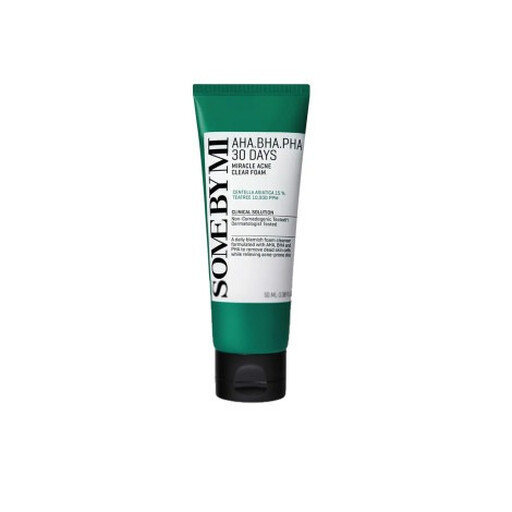
Why this fits the profile: The 50 ml size is ideal for travel, a gym bag, or for users who want to try an active cleanser in a smaller pack first.
Thanks to the mini size, you don’t have to buy a large pack straight away. Do note the combination of salicylic acid, AHA and PHA, and build up use gradually.
50 ml; 5,000 ppm salicylic acid according to the product data; contains AHA, BHA, PHA and cica.
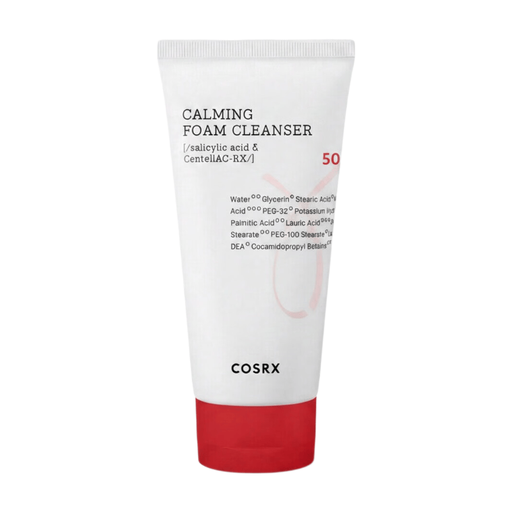
Why this fits the profile: A compact foam product for on the go, with ingredients that, according to the product description, focus on cleansing and leaving skin feeling comfortable.
The product is straightforward as a 50 ml travel size. Do check the full ingredients list if you’re sensitive to tea tree oil or other components.
50 ml; foaming texture; according to the product description, contains centella asiatica, tea tree oil and glycerine.
We’ve put together a full, up-to-date list of products that fully meet these strict selection criteria and comply with current European safety regulations.
That depends on the formula and how your skin reacts. Some products are intended for daily use according to the product information, but salicylic acid can sting or dry out certain skin types. Start gently, follow the label and don’t combine several exfoliating products straight away.
For many cleansers, use in the morning and evening is stated. Once a day can be a sensible start if your skin reacts sensitively. Massage gently, rinse well and then use a skincare product that suits your skin type.
Check the packaging for the expiry date, batch information and any period after opening. Store the cleanser tightly closed, in a dry place away from direct sunlight. Has the smell, colour or texture changed? Then don’t use the product any more.
