
Vandaag of morgen in huis

Kwaliteit gegarandeerd

Welkomstaanbiedingen ontgrendelen: GRATIS bezorging | Tot 80% korting | Gratis 30 dagen JoyPlus-proefperiode
Download de app
A facial cleanser for acne-prone skin may seem easy to choose, but many products use broad terms such as “deep cleansing”, “anti-blemish” or “pore cleanser” without clearly explaining what they contain. Especially if you have oily, combination or acne-prone skin, the wrong choice can leave your skin feeling tight, cause additional redness or compromise your skin barrier.
This guide helps you compare an acne cleanser based on its ingredients, skin type, usage and product format. The properties mentioned are based on the available product descriptions and ingredient lists. A facial cleanser is not a medicine. If your skin problems persist or are severe, it is advisable to seek advice from a GP or dermatologist.
Skin that feels tight and very dry after washing is not necessarily cleaner. This sensation may indicate that the cleanser is removing too much sebum and moisture. Washing more frequently afterwards or using multiple exfoliating products can irritate the skin further.
Look for the right balance between cleansing performance and comfort. A gentle facial cleanser with glycerin, betaine or other moisturising ingredients may be more comfortable for daily use.
Salicylic acid, AHA, BHA and PHA are often combined in an exfoliating facial cleanser. These ingredients may suit oily skin or blackheads, but more acids do not automatically deliver better results.
According to the product information for Some By Mi AHA/BHA/PHA products, these formulas contain ingredients including salicylic acid, citric acid and gluconolactone. The manufacturer warns that AHA and PHA can increase sensitivity to sunlight. Therefore, use sun protection during the day and stop using the product if irritation occurs.
A name such as “anti-acne” or “blackhead” does not reveal everything about the formula. Always check:
According to the product description for NIVEA DERMA Skin Clear, the cleansing gel contains salicylic acid and niacinamide, and the formula is fragrance-free. These are verifiable product properties; they do not guarantee a specific result for your skin.
Salicylic acid, also known as BHA, is often chosen for a facial cleanser for blackheads and excess sebum. In the ingredient list, it may appear directly as “Salicylic Acid”. According to the product information, Salicylic Acid Daily Gentle Cleanser 150 ml contains a concentration of 0.5%. The formula also contains tea tree oil and willow bark water.
SKIN1004 Madagascar Centella Tea-Trica BHA Foam lists 4,500 ppm salicylic acid, together with centella asiatica and tea tree oil. A higher stated amount does not mean the product is more suitable for every skin type. If your skin is sensitive, start cautiously and do not immediately combine it with multiple acids or scrubs.
A low-pH cleanser is formulated to suit a more acidic pH environment. Low-pH Good Morning Cleanser lists a pH of approximately 5 in the product description and contains ingredients including betaine salicylate, tea tree oil and mild cleansing agents.
A low-pH formula may be appealing if you are looking for a daily facial cleanser that feels light rather than rich or creamy. However, monitor how your skin responds. “Low pH” alone says nothing about fragrance, essential oils or the strength of the cleansing agents.
Wash your face with lukewarm water, massage briefly and rinse thoroughly. Applying more pressure or massaging for longer does not automatically make a cleanser more effective.
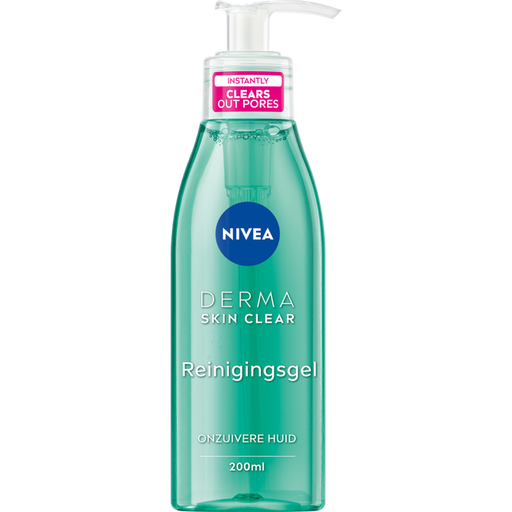
Why it’s a good fit: A straightforward option for anyone looking for a 150 ml daily gel cleanser for oily or blemish-prone skin.
The ingredient list names salicylic acid and niacinamide. A fragrance-free formula is also specified, allowing you to make a more informed comparison.
150 ml capacity, gel texture and salicylic acid listed as an ingredient.
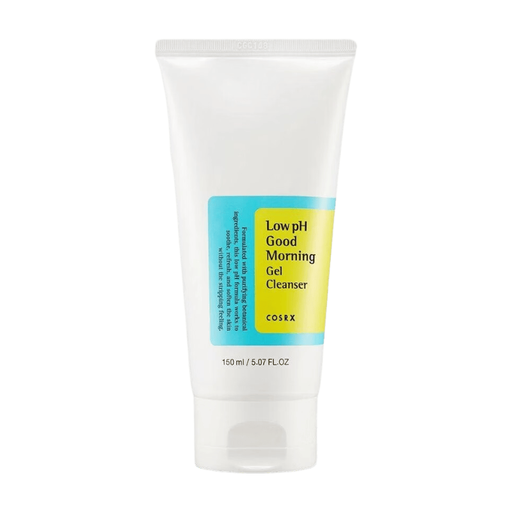
Why it’s a good fit: A Korean facial cleanser for anyone looking for a lightweight gel texture and daily use in the morning and evening.
The product information explicitly states that it has a low-pH formula, so you do not have to rely on the marketing name alone.
150 ml capacity and ingredients such as betaine salicylate, glycerin and tea tree oil.
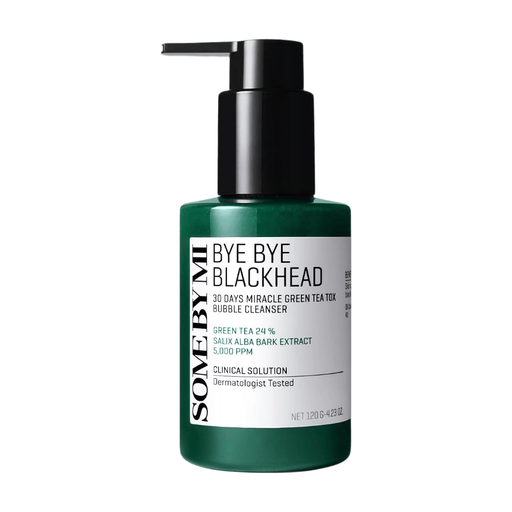
Why it’s a good fit: The product information targets oily, combination and blackhead-prone skin.
The warnings mention AHA, BHA, salicylic acid, essential oil and colourants. This allows you to assess in advance whether the formula suits your skin.
120 g capacity, foaming texture and a recommended application time of 3–5 minutes according to the product information.
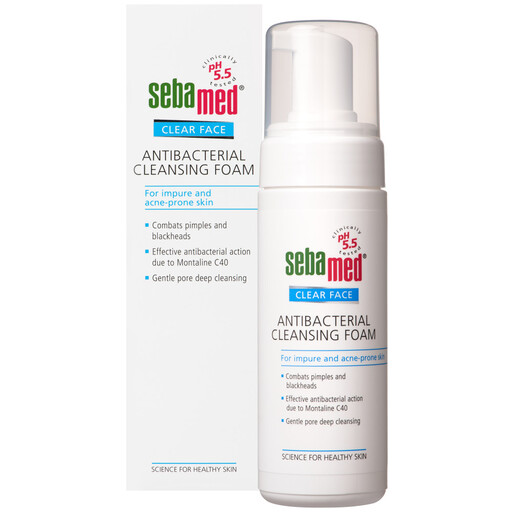
Why it’s a good fit: A 150 ml foaming cleanser for anyone who primarily wants to remove dirt and excess sebum without introducing an extensive acid-based routine.
The ingredient list is shorter than those of several exfoliating options. This makes comparison easier, but you should still check for fragrance and consider your own sensitivities.
150 ml capacity, pump dispenser and panthenol in the ingredient list.
Browse a current selection of products and compare formulas, capacities and usage to find the right fit for your skin type.
Always check the packaging for the expiry date and batch information. Stop using the product if you experience burning, swelling, itching or pronounced redness. According to the supplied safety information, products containing salicylic acid are not intended for children under 3 years of age.
That depends on the formula. According to the product information, a gentle gel or foaming cleanser can often be used in the morning and evening. If the product contains salicylic acid, AHA, PHA, essential oils or scrub particles, it is advisable to monitor your skin’s response and avoid introducing several active products at the same time.
Salicylic acid is a specific ingredient often chosen to address excess sebum and clogged pores. This makes a cleanser containing salicylic acid an interesting option for certain skin types, but results vary from person to person. A regular gentle cleanser may be more suitable if your skin easily becomes dry or sensitive.
That depends on the product size and how much you use each time you wash. A 150 ml bottle will generally last longer with daily use than a 50 ml mini. A mini, such as the AC Collection Calming Foam Cleanser, is particularly convenient for travel or for trying a formula before committing to a full-size product.
