
Vandaag of morgen in huis

Kwaliteit gegarandeerd

Welkomstaanbiedingen ontgrendelen: GRATIS bezorging | Tot 80% korting | Gratis 30 dagen JoyPlus-proefperiode
Download de app
A product for absorbent protection needs to absorb moisture, stay in place and suit the situation you’re using it for. That sounds simple, but the wrong choice can lead to leaks, irritation or a product that no longer fits properly after a few washes.
Whether you’re looking for sanitary towels, night-time sanitary towels, incontinence pads, men’s incontinence pads, maternity pads, nursing pads or a waterproof mattress protector, look beyond words such as “extra”, “ultra” or “maximum protection”. Without context, these terms can be difficult to compare.
High absorbency sounds appealing, but it doesn’t always tell you how well a product fits in practice. With sanitary towels, the length, shape, wings and position of the absorbent core also matter. For incontinence pads, the fit around your body is just as important as the absorbent material.
So check:
A waterproof mattress protector can keep moisture out, but a poorly fitting protector may shift or leave the sides exposed. Check how it’s secured: with elasticated corners, an elasticated edge all the way around or a deep-fitted sheet design.
A breathable mattress protector may feel more comfortable, but always check the materials and washing instructions listed. “Breathable” doesn’t mean the protective layer won’t keep liquid out; the construction varies from product to product.
For reusable products, washing instructions affect the cost of use. Washing at too high a temperature, using fabric softener or drying a product incorrectly can affect its fit and absorbency. A disposable option needs less care, but you’ll need to keep a supply on hand and dispose of it correctly.
Sanitary towels are designed for menstrual fluid, while maternity pads are used for postpartum bleeding. Incontinence pads are designed for urine leakage and often have an anatomical shape that differs from menstrual products. Don’t use these categories interchangeably.
For night-time sanitary towels, a longer back and wings are useful features to look out for. For example, Always Ultra Secure Night Size 4 lists a larger back compared with a regular version, as well as wings to help keep it in position. According to Always product information, the LeakGuard, InstantDry and OdourBlock features are brand-specific technologies; check the packaging for the latest ingredients and instructions.
For men, a specific design may fit the body better. According to the product description, Tena Men Active Fit Level 2 has a male cup shape, an adhesive strip and a thickness of 0.4 cm.
For a mattress protector, the width and length should match the mattress exactly, or as closely as possible. A 140x200 mattress protector is designed for a mattress measuring 140 by 200 cm. For a long single mattress, a 90x220 mattress protector is a sensible choice.
Also check the mattress depth. A design with a deep tuck-in edge or fitted-sheet shape may stay in place better than loose corner elastics on a deep mattress. For pads, wings, elasticated edges and an anatomical shape can help you move freely and prevent the product from shifting.
A soft top layer can feel comfortable when worn for long periods, but also consider whether you might be sensitive to certain materials, fragrances or dyes. If irritation occurs, it’s best to stop using the product and follow the instructions on the packaging.
For mattress protectors, these details are particularly important:
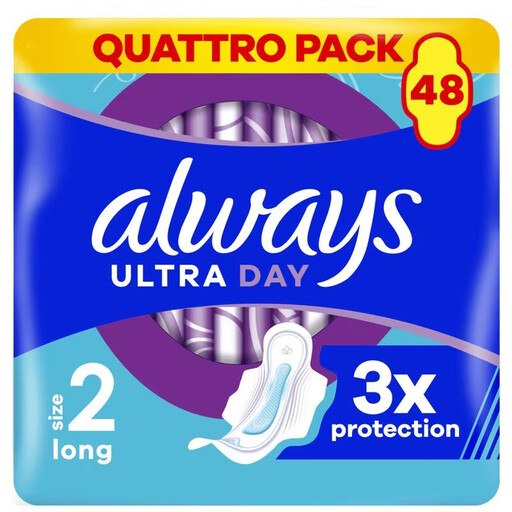
Why it suits this profile: A straightforward choice for everyday use during a light to moderate period, with 48 pads per pack and wings to help keep them in place.
The size, number of pads and wings are clearly listed, so you don’t have to rely as much on general claims about absorbency.
48 pads, Size 2 Long, wings and a soft absorbent top layer, according to the product information.
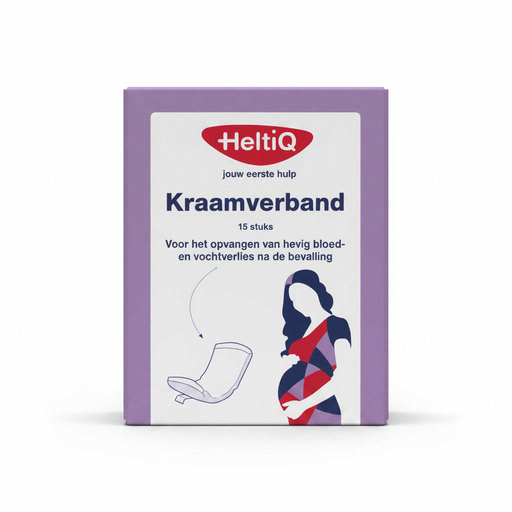
Why it suits this profile: These maternity pads are designed for the first few days after giving birth, when extra length and absorbency can be important.
The product description specifies use for heavy postpartum bleeding, a waterproof backing and an adhesive strip.
15 individually wrapped pads, an absorbent core and leak-resistant film, according to the product details. This is a consumer product, not a medical device.
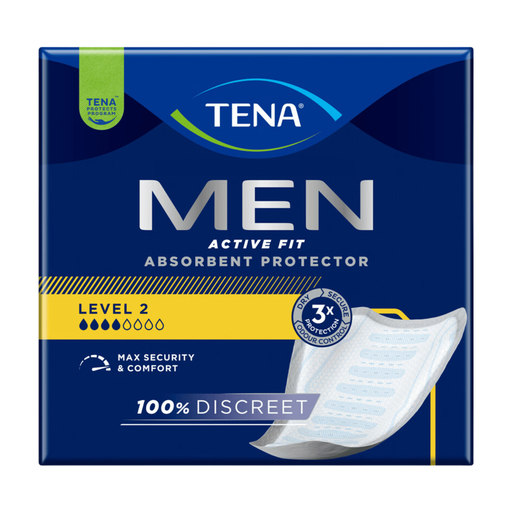
Why it suits this profile: A men’s incontinence pad for anyone looking for an anatomical shape, adhesive strip and compact pack for everyday use.
The Level 2 rating, male fit and 0.4 cm thickness tell you more than a general claim about absorbency alone.
10 pieces, anatomical cup shape, adhesive strip and compact individual wrapping, according to the product description.
We’ve put together a full, up-to-date list of products that meet these strict selection criteria and the applicable European safety regulations.
That depends on the product and the amount of moisture. Always follow the packaging instructions. For the relevant sanitary towel, Always recommends changing it after 4 to 8 hours and not wearing it for longer than 8 hours. Maternity pads may need changing sooner if they become saturated. Change nursing pads when they’re damp; disposable ones aren’t designed to be washed or reused.
Its lifespan depends on the material, how often it’s washed, the temperature and how it’s dried. Follow the care label and avoid products that could damage the protective layer. A design with corner elastics should still lie flat and securely after washing. Check regularly for wear, loose seams or damage to the waterproof layer.
That depends on how often you use them and how you wash them. Washable nursing pads can reduce the number of disposable products you use, but they require water, energy and care. Medela states that its washable version can be reused around 50 times; if the information differs, always follow the washing instructions on the packaging. Disposable nursing pads are handy when you’re out and should be thrown away after use.
