
Vandaag of morgen in huis

Kwaliteit gegarandeerd

Welkomstaanbiedingen ontgrendelen: GRATIS bezorging | Tot 80% korting | Gratis 30 dagen JoyPlus-proefperiode
Download de app
An A5 undated planner is ideal if you do not want to start at the same time every year. You can begin whenever you like, skip a busy period and pick up where you left off later. This makes this type of planner appealing to students, professionals, business owners and private individuals.
However, not every undated planner is practical to use. An attractive cover says little about the layout, paper quality or how well the planner stays open. Before ordering, pay particular attention to the following potential pitfalls.
For some planners, “18 months” mainly means there are lots of pages. Check that there are also enough monthly and weekly overviews. Without a clear structure, a planner can quickly become an ordinary notebook.
A useful 18-month planner should ideally include:
A low paper weight can be useful for a lightweight planner, but it is not always suitable for fountain pens, markers or ballpoint pens that require firm pressure. Check the paper weight, such as 80 g/m² or 100 g/m², as well as the paper description.
A higher paper weight does not automatically guarantee a perfect writing experience. The finish, ink and writing style also play a part. If you use different pens, it is best to test them first on a less noticeable page.
A hardcover planner is suitable if you often carry it in a bag or use it on a desk. On the other hand, a hard cover can be heavier and less flexible than a softcover. A planner with an elastic strap is easier to keep closed in your bag. A planner with a bookmark helps you quickly find the current week or month.
Also pay attention to small components. Keep planners with elastic straps or ribbons out of the reach of children under three years old. Paper and cover materials should also be kept dry and away from naked flames.
A5 measures approximately 14.8 × 21 cm. This size offers more writing space than a compact diary, while generally taking up less room than an A4 notebook. A5 is therefore a useful middle ground for commuting, lectures or meetings.
Do check that your bag or laptop bag has enough room. Also consider the total weight, as a hardcover and a generous number of pages can make the planner heavier.
A monthly planner is suitable for deadlines, appointments, holidays and major milestones. An undated weekly planner works better for tasks, lessons, projects and daily activities. If you want to combine both levels, check that the monthly and weekly pages follow on from each other logically.
Extra note space is useful in a goal planner. You can use it to keep track of quarterly goals, action plans or reviews, for example. It is better to choose a layout you will actually use than a planner packed with sections that remain untouched.
The product description for the Jubiluu planner lists 100 g offset paper, a hard cover, 224 pages split across 112 sheets, an elastic band and a bookmark. The pages are off-white and lined. The planner is undated and intended for an 18-month usage period; this means you fill in the dates yourself and adapt the period of use to your own pace.
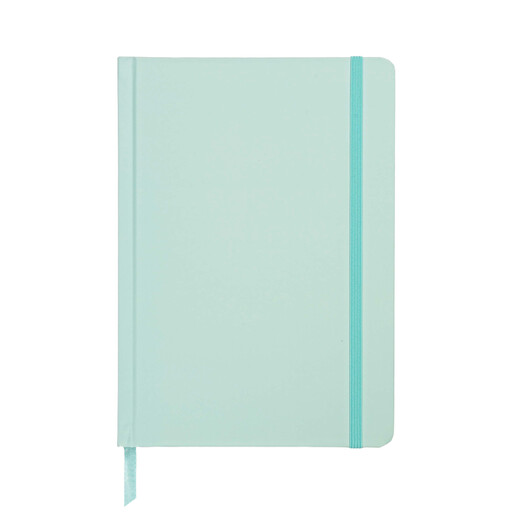
Why it suits this profile: The clear A5 format and undated layout make this planner ideal for anyone who wants to start planning flexibly for the first time, without being tied to an academic or calendar year.
The product description mentions monthly and weekly layouts, so you do not have to rely solely on loose notes. The undated pages prevent unused dates when you start later.
A5 format, 100 g offset paper, 224 pages and an elastic band with bookmark, according to the product information.
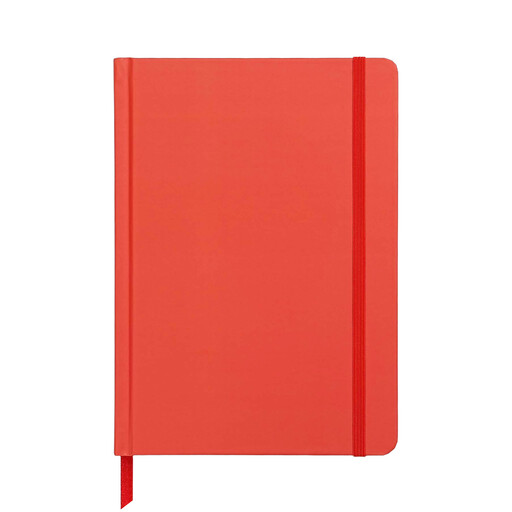
Why it suits this profile: The hardcover is ideal for anyone who wants to use a planner in the office, at appointments and on the go, and values a clear, sturdy design.
The specifications clearly show the paper weight, format and number of pages. This means you do not have to judge the planner solely by its colour or cover finish.
Hardcover, 100 g offset paper, monthly and weekly overviews, and a layout without pre-printed dates.
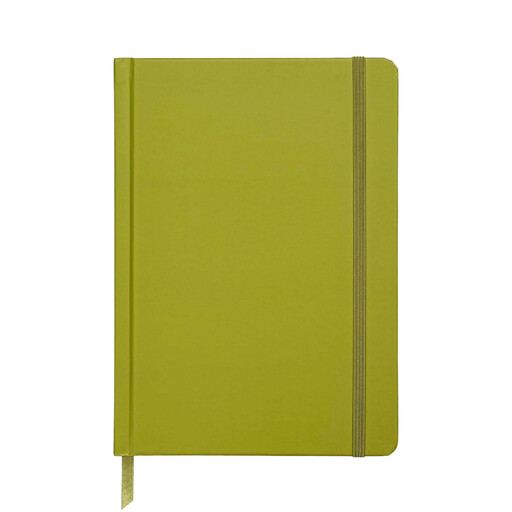
Why it suits this profile: Business owners and professionals who combine projects, recurring tasks and personal goals have room for both an overview and daily notes.
The combination of monthly spreads, weekly spreads and note space helps prevent project information from becoming scattered across several separate notebooks.
112 sheets, lined 100 g paper, hardcover, elastic closure and bookmark, according to the product description.
We have put together a complete, up-to-date list of products that fully meet these strict selection criteria and the applicable European safety regulations.
Start by entering a fixed start date on the first page for filling in. Then record only the weeks and months you actually use. A simple approach:
This keeps the planner useful when your schedule temporarily changes.
That depends on how many pages you use each week and how often you carry the planner with you. According to the product information, a model with 112 sheets and a hardcover has room for an undated planning period of 18 months. The actual period of use may be longer or shorter.
For most daily tasks, appointments and short notes, A5 offers a practical balance between writing space and portability. If you create detailed project plans or large drawings, you may prefer to consider a larger format.
A standard diary contains pre-filled dates. An undated weekly planner or undated diary lets you decide when to start. This means there are no blank pages caused by starting late, taking a break or changing your routine.
