
Vandaag of morgen in huis

Kwaliteit gegarandeerd

Welkomstaanbiedingen ontgrendelen: GRATIS bezorging | Tot 80% korting | Gratis 30 dagen JoyPlus-proefperiode
Download de app
An A5 notebook and planner fits easily into a bag and offers more writing space than a pocket-sized book. Still, it’s not always straightforward to pick the right model. Product photos often focus on colour and cover, whereas things like paper weight, layout and closure determine whether you’ll enjoy using the book every day.
So pay particular attention to these three common pitfalls:
Below you’ll find out which features matter and which type of A5 notebook suits your needs.
An official A5 size is approximately 14.8 × 21 cm. That size offers room for appointments, tasks, meeting notes and journaling, while remaining portable for commuting or classes.
Be careful to note the difference from A6, which measures roughly 10.5 × 14.8 cm. An A6 notebook can be handy for quick notes on the go, but it’s less suitable as a school notebook, daily planner or comprehensive bullet journal.
Paper weight is usually given in grams per square metre, such as 80g or 100g offset paper. Heavier paper generally feels sturdier, but the result also depends on the pen you use. If in doubt, test a fineliner, fountain pen or gel pen on a back page.
A lined notebook is practical for text, meetings and summaries. For a bullet journal, blank or dotted paper can offer more freedom. A planner with lined note sections combines an overview with space for explanation.
Also check whether the number of pages is stated as sheets or pages. 96 sheets means 192 pages, for example, when both sides are counted.
A fixed daily planner works well when you organise every day in the same way. A weekly planner offers more overview per spread and is suitable for appointments, tasks and deadlines. A monthly planner is mainly helpful for the long term, for example for exams, projects or holidays.
An undated A5 planner prevents unused weeks from going to waste. You only fill in the dates when you start. An 18-month planner with undated monthly and weekly overviews can therefore be used flexibly for goals, daily organisation and recurring planning.
Also pay attention to practical details:
The selection below is based on verifiable data such as size, paper weight, number of pages, layout and accessories. Colours and decorative finishes are personal choices and don’t automatically say anything about the writing experience.
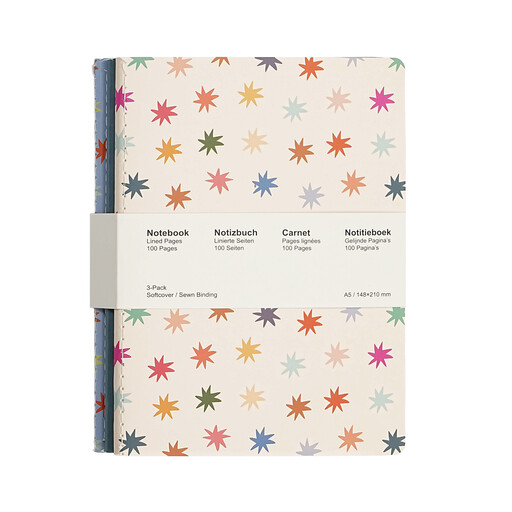
Why this fits the profile: Three A5 notebooks offer a simple start for school, home working, journaling or different subjects. You can give each book its own function without having to choose an elaborate planner layout straight away.
The product specification clearly states A5 size, three pieces and 50 sheets per notebook. This means you can see in advance what you’ll receive.
80g lined cream offset paper, sewn binding and a softcover. According to the product description, the pages are suitable for notes, school and daily use.
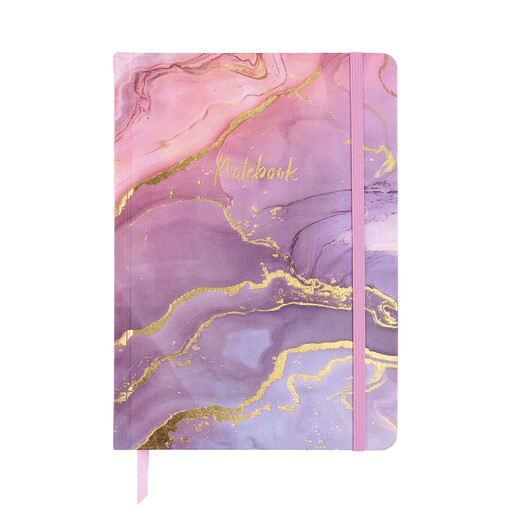
Why this fits the profile: The hard fabric cover and decorative finish suit anyone looking for a notebook for work, personal reflection or as a journal gift.
The description mentions the A5 size, 96 sheets and 100g ivory-coloured paper. You can therefore compare the product presentation with the technical specifications.
Fabric hardcover, 192 pages, lined 100g paper, elastic band and bookmark. According to the description, the cover has a foil, embossed or debossed finish.
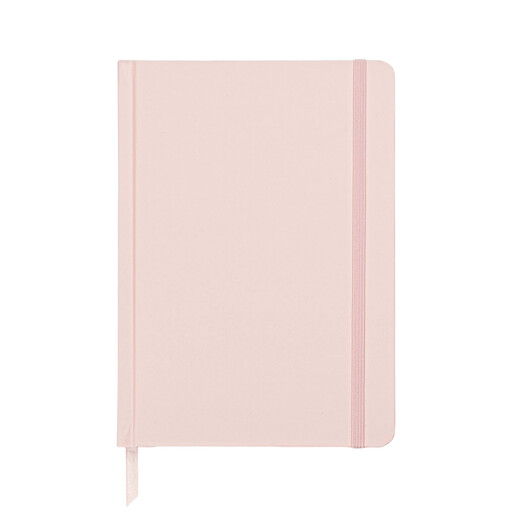
Why this fits the profile: Anyone who wants to combine work, study, goals and daily tasks in one book gets monthly and weekly overviews without pre-filled dates.
The undated layout prevents weeks from being wasted if you start later or take a break. The size and number of sheets are clearly stated.
A5 size, 224 pages, 112 sheets of 100g lined offset paper, monthly and weekly spreads, elastic band and bookmark.
Store stationery in a dry place and avoid prolonged contact with moisture. A hard cover can be wiped clean with a soft, dry cloth. Do not use harsh cleaning products on fabric or printed covers.
For a planner with an elastic band, check regularly that the band hasn’t stretched. Also, don’t overfill the book with loose papers; a separate document holder is more practical for that. A foam-PP presentation folder can protect documents from creasing during transport to the office, school or a meeting.
We’ve put together a full, up-to-date list of products that fully meet these strict selection criteria and comply with current European safety regulations.
Yes. The size of approximately 14.8 × 21 cm offers room for appointments, tasks and notes without being as large as an A4 notebook. For a full working day, a weekly planner can be clearer than one page per day.
A notebook usually has lined, blank or squared pages with no fixed planning. A planner often contains monthly, weekly or daily sections. An undated planner combines that structure with the ability to decide for yourself when to start.
The lifespan depends on the paper, binding, cover and usage. A hardcover generally protects the contents better against pressure in a bag than a softcover. Store the book in a dry place, don’t overstretch the elastic band and choose a paper weight that suits your pen. This way you’ll avoid unnecessary wear and tear during daily use.
