
Vandaag of morgen in huis

Kwaliteit gegarandeerd

Welkomstaanbiedingen ontgrendelen: GRATIS bezorging | Tot 80% korting | Gratis 30 dagen JoyPlus-proefperiode
Download de app
A good A5 notebook is indispensable, whether you're taking college notes, keeping minutes at the office, or journaling your thoughts. But the selection is vast, and not every notebook is worth the price. Many people fall into the same traps: a beautiful cover hiding flimsy paper, or a binding that falls apart after just a few weeks.
As a Joybuy Product Recommendation Officer, I'm here to help you cut through the marketing jargon. Let's look at the most common problems and how to avoid them, so you can buy a notebook that truly serves your needs.
To avoid buyer's remorse, there are a few specifications you should always check. These determine the quality and usability of your notebook.
The choice between a hardcover and a softcover depends on how you'll use it.
The weight of the paper, expressed in grams per square meter (g/m?), is crucial for your writing experience.
The way the pages are held together determines the durability and how the book lies open.
Based on these criteria, we have selected a few notebooks that suit different users.
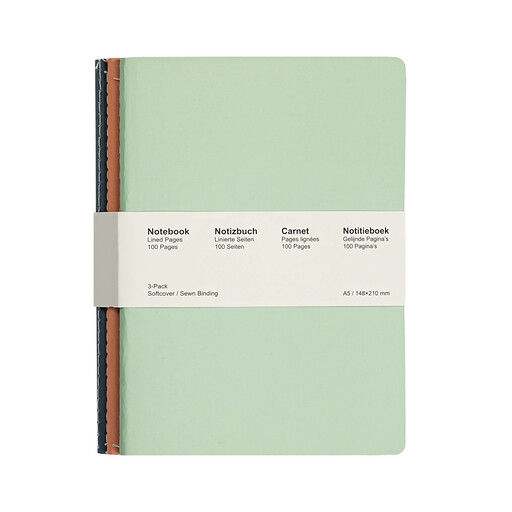
Why This Fits Their Persona: This set of three notebooks offers great value for money. The softcover makes them lightweight and easy to take to lectures. The sewn binding ensures they lie flat on a small desk.
The sewn binding is much more durable than a cheap glue spine and avoids the frustration of a book that won't lie flat. The 80 g/m? paper is a solid standard that prevents bleed-through from normal pens.
Economical notebook set of 3. Lightweight and lay-flat design, ideal for daily use at school or university.

Why This Fits Their Persona: The fabric cover with its refined finish gives a professional and stylish impression during meetings. The hardcover protects important notes, and the thicker paper provides a pleasant writing experience.
This hardcover notebook is built for durability. The 100 g/m? paper prevents unprofessional ink bleed-through, even when using a fountain pen.
Elegant fabric cover with foil stamping. Contains 96 sheets (192 pages) of 100 g/m? ivory-coloured paper for a smooth writing experience.
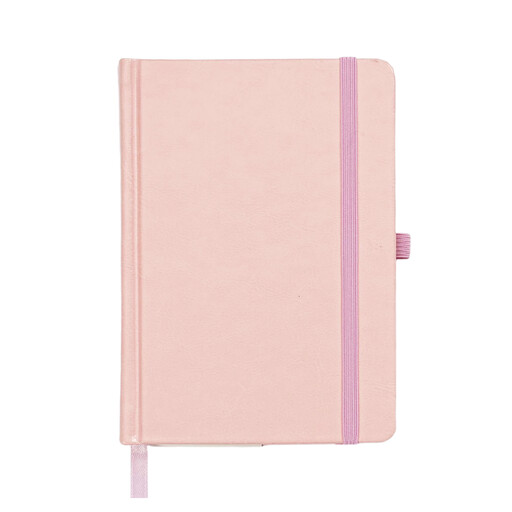
Why This Fits Their Persona: For journaling, both aesthetics and paper quality are important. This notebook combines an inspiring floral cover with extra-thick paper, ideal for creative use with fineliners, markers, and stickers.
The extra-thick 105 g/m? paper was specially chosen to eliminate the frustration of bleed-through during creative use. The sturdy cover and binding ensure this journal remains beautiful for a long time, even with daily use.
Extra-thick 105 g/m? paper, suitable for various pens and markers. Includes handy features like a ribbon marker and an elastic closure.
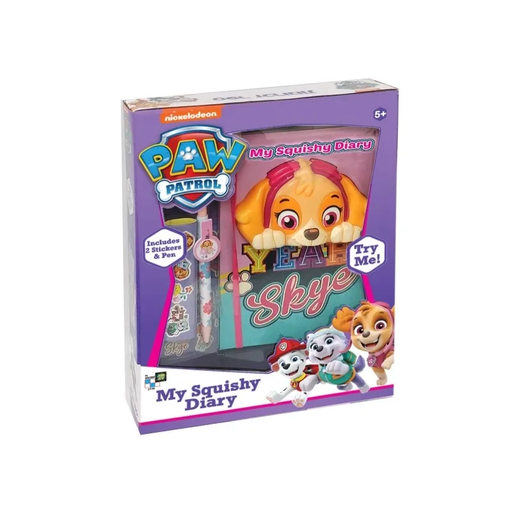
Why This Fits Their Persona: This is more than a notebook; it's a complete creative kit. The popular Paw Patrol theme and 'squishy' cover make it an appealing diary for kids to write down their thoughts and secrets.
Instead of giving a boring, functional notebook, this set offers a complete experience tailored to children. The focus is on fun and creativity, not on adult-oriented specifications.
Complete set with a diary, 36 stickers, and a pen. The product is certified phthalate-free and complies with the EN71 toy safety standard.
We have compiled a complete, up-to-date list of products that meet these selection criteria and our quality standards.
The main difference is the thickness and opacity. Paper that is 80 g/m? is a good all-rounder for daily notes with a ballpoint pen or pencil. Paper that is 100 g/m? is noticeably thicker and sturdier. It feels more luxurious and is better suited for a fountain pen or fineliner, as the ink is much less likely to bleed through to the other side of the page.
Not necessarily; it depends on your use case. A hardcover notebook offers superior protection and a stable writing surface, which is ideal for on-the-go use or in a professional setting. However, a softcover notebook is lighter, more flexible, and often more affordable, which can be useful for students carrying multiple notebooks.
The key is choosing the right paper. For a journal where you'll likely use various pens, markers, or even stamps, a paper weight of at least 100 g/m? is recommended. This minimises the risk of bleed-through. It's always a good idea to test a new pen or marker on a back page first.
