
Vandaag of morgen in huis

Kwaliteit gegarandeerd

Welkomstaanbiedingen ontgrendelen: GRATIS bezorging | Tot 80% korting | Gratis 30 dagen JoyPlus-proefperiode
Download de app
A storage rack might seem like a straightforward purchase – until it turns out to be too deep for the hallway, your books start to sag or an open shelving unit wobbles as soon as you add more belongings. In homes across the Netherlands, student rooms and home offices, every centimetre counts. Looks alone aren’t enough: the dimensions, load capacity and stability all affect how practical a rack is for everyday use.
A rack that’s 36 cm wide might seem like a good fit, but you’ll also need to consider its depth. Measure not just the available width, but also:
A narrow storage rack is handy beside a desk or in a bathroom, but a tall model can still take up a lot of visual space. Check all the dimensions before placing your order.
Marketing copy often uses words such as sturdy or robust without specifying a weight. Instead, look for the stated maximum load capacity per shelf and for the whole unit. A bookcase will need to bear more weight than a wall organiser holding post and lightweight documents.
Spread the weight evenly. Put heavy books on the bottom and lighter decorations on top. Never exceed the supplier’s limit, and check whether it applies per shelf or to the entire unit.
An open shelving unit has no doors to enclose its contents. As a result, a tall or narrow model may be more prone to tipping, particularly on an uneven floor. Look for adjustable feet, a rear support, anti-tip fittings or a wall-mounting kit.
When mounting a unit on the wall, use plugs and screws suitable for your type of wall. A product isn’t automatically safe just because fixings are included in the box.
First, decide what you’ll use the rack for:
A bamboo rack often works well with a light, natural interior. MDF, chipboard and metal have a different look and require different care. Don’t use a product intended for indoor use for extended periods in a damp or unheated space.
Check which materials are used for the shelves and frame. If the unit combines bamboo and steel, it’s worth checking the finish on both parts. For engineered wood, pay particular attention to how the edges are protected against moisture and knocks.
Open shelving can usually be cleaned with a soft, dry or slightly damp cloth. Avoid prolonged exposure to water unless the product information specifically says otherwise. If the unit has wheels, place it on a level surface and lock them when in use, if possible.
The stated load capacity is a product specification, not a guarantee that every shelf is suitable for heavy books. Check how the limit is divided:
The recommendations below are based on specific dimensions, materials and stated capacities. Where a brand or supplier specifies a feature, it’s presented here as supplier information.
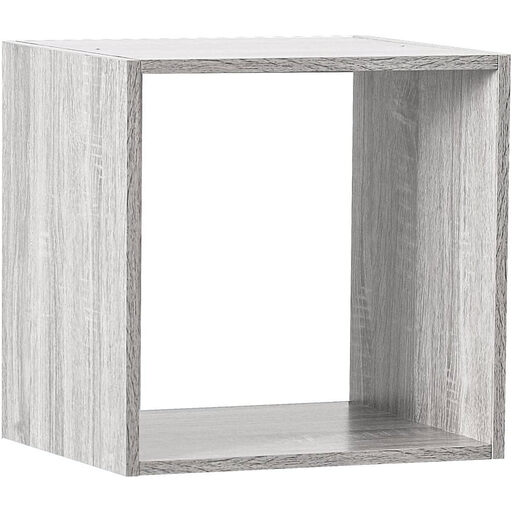
Why it suits this profile: This compact unit is a good choice if you want to store a small number of books, decorations or everyday essentials. At 34.4 cm wide, it fits in an alcove, on a desk or as part of a modular arrangement.
The exact dimensions and the supplier’s stated maximum load of 20 kg make it easier to check the available space and load in advance. The unit is intended for indoor use and requires assembly.
Compact size, classic look and an estimated assembly time of around 15 minutes for one person.
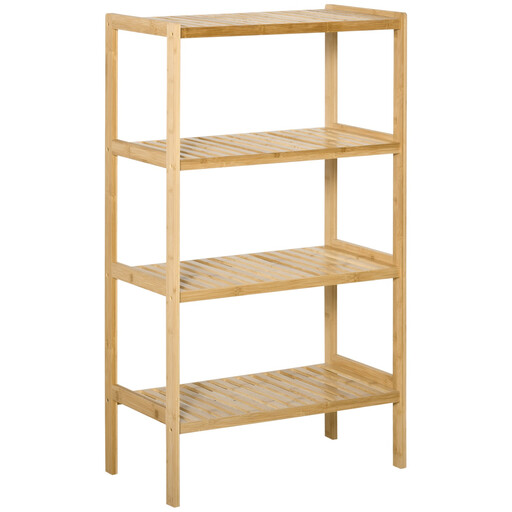
Why it suits this profile: This open bamboo rack combines a natural look with four tiers for books, plants and home accessories. It’s suited to a living room, home office or bedroom where you want your storage to be on display.
The supplier states a capacity of 10 kg per shelf and 40 kg for the unit as a whole. The rack can also be fixed to the wall, which is worth considering for a freestanding unit that’s 112 cm tall.
Four open shelves, 27.5 cm between tiers and 17 cm of clearance beneath the bottom shelf.
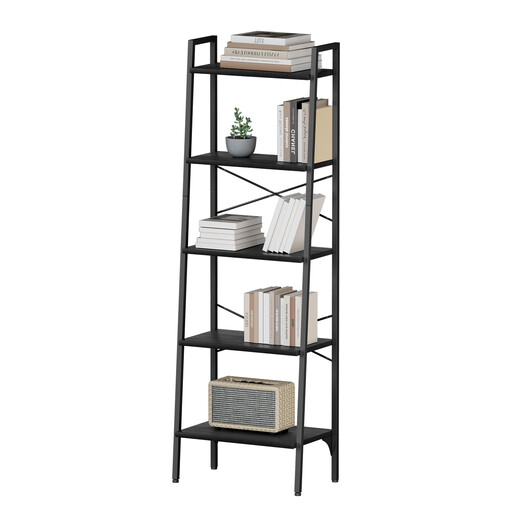
Why it suits this profile: This ladder shelf is designed for anyone who needs plenty of vertical storage in a living room, home office, bedroom or narrow corner. Its footprint is 56 x 32 cm, and the five tiers provide space for books, plants and accessories.
The description mentions X-shaped rear supports, anti-tip fittings and adjustable feet. Even so, check the floor before assembly and use the fixings as instructed.
172 cm tall, with five storage tiers and adjustable feet for floors that aren’t completely level.
We’ve put together a complete, up-to-date list of products that meet these strict selection criteria and the applicable European safety regulations.
First, check the type of wall: concrete, brick, plasterboard and wood each require different fixings. Position the rack level, use the anti-tip device supplied if there is one, and choose wall plugs suitable for the surface. If you’re unsure about mounting a heavy unit, it’s a good idea to seek professional advice.
Its lifespan depends on the material, load, moisture and assembly. A rack will generally last longer if you stay within its load capacity, put heavy items on the bottom and only use it in damp spaces if the product information says it’s suitable. Check the screws, wall fixings and adjustable feet regularly.
The price depends on the dimensions, material, number of shelves, adjustability and extra features such as wheels or a drawer. Don’t just compare the purchase price: consider assembly, any wall fixings you’ll need and whether the rack suits your needs. A simple open shelving unit may be all you need for decorations, while a mobile unit or wall organiser offers more flexibility for everyday use.
