
Vandaag of morgen in huis

Kwaliteit gegarandeerd

Welkomstaanbiedingen ontgrendelen: GRATIS bezorging | Tot 80% korting | Gratis 30 dagen JoyPlus-proefperiode
Download de app
Choosing a new tumble dryer can sometimes feel like a full-time job, especially when you're looking for a 9kg heat pump dryer for a busy household. Manufacturers promise the world with smart features and low energy bills. But how do you separate useful innovations from marketing hype? As a Product Recommendation Officer at Joybuy, I see the challenges consumers face every day. Avoid buyer's remorse by watching out for the following pitfalls.
Pitfall 1: The "self-cleaning" condenser that still requires maintenance A tumble dryer with a self-cleaning condenser sounds ideal: no more picking lint from tricky grilles. Some systems do indeed automatically rinse the condenser with the collected condensation water. However, in many models, this rinsing process isn't powerful enough, leaving a layer of dust and debris behind over time. The result? The dryer becomes less efficient, energy consumption increases, and its lifespan shortens. A system that is truly effective at cleaning is rarer than you think.
Pitfall 2: An A-label that disappoints in practice The landscape has changed since the introduction of the new energy labels (A to G). An A-label is now genuinely reserved for the most efficient appliances. Yet, there's a catch: the label is based on a standard cotton programme. If you frequently use other programmes, such as quick or special cycles, the actual consumption can be significantly different. So don't just fixate on the label; also look at the specified energy consumption in kWh per 100 cycles.
Pitfall 3: A "smart" app that adds no value A smart tumble dryer with an app is convenient, but only if the app actually solves problems. Many apps are little more than a glorified remote control with the same buttons as on the appliance itself. A truly smart app provides insight into your energy consumption, suggests the ideal drying cycle based on your washing machine's programme, or sends a notification when the filter needs cleaning. Functionality always wins over a gimmick.
To make a lasting and sustainable choice, focus on the specifications that truly matter. These are the three most important checkpoints for any model.
Based on these objective criteria, we have selected several models that suit different households. We don't present "winners," but rather match specifications to your specific needs.
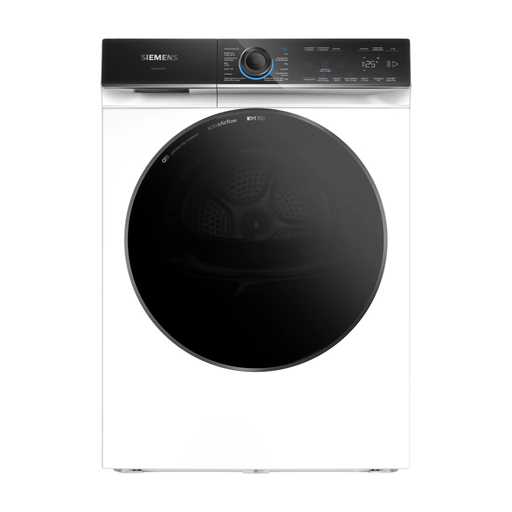
Why This Fits Their Persona: For families where the laundry basket is never empty. Speed, reliability, and less ironing are crucial. This dryer combines a large capacity with time-saving features.
Siemens's selfCleaning Condenser is a proven system that genuinely keeps the condenser lint-free, ensuring long-term efficiency and performance. Not an empty promise.
The smartFinish steam programme significantly reduces wrinkles. Additionally, it's a very quiet tumble dryer at just 57 dB, ideal for evening use.
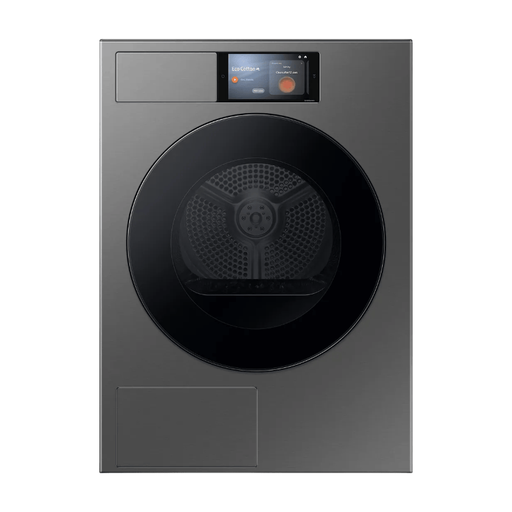
Why This Fits Their Persona: For those who invest in quality and sustainability. The goal is the lowest possible energy bill and an appliance that cares for clothes instead of wearing them out.
This model has an A-label with an extremely low consumption of just 79 kWh per 100 cycles. This is an objective and verifiable figure that delivers on the promise of an energy-efficient dryer, avoiding the pitfall of a misleading label.
The AI Dry+ system continuously measures humidity and temperature for precise and gentle drying. At 60 dB, it is one of the quietest models on the market.
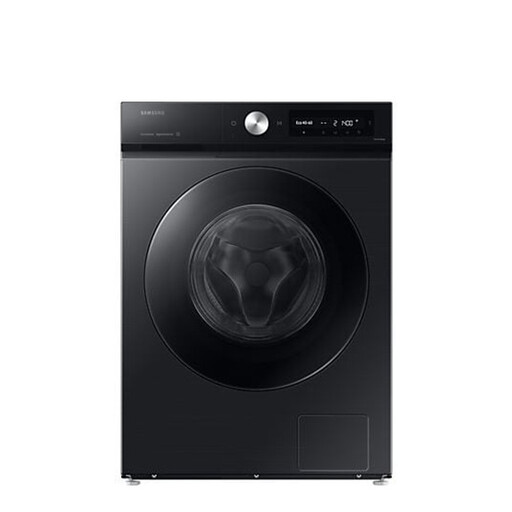
Why This Fits Their Persona: For those who want convenience, control, and a sleek design. This user wants a Samsung tumble dryer that integrates seamlessly into a smart home and makes life easier with useful technology.
The SmartThings app is more than a gimmick. You can use it to start programmes remotely, monitor energy consumption, and link the dryer to your washing machine for an optimal cycle. This is a smart tumble dryer with an app that adds real value.
AI Control automatically adjusts settings based on fabric and humidity. The sleek Bespoke design with a reversible glass door fits into any modern interior.
We have compiled a complete, up-to-date list of products that fully meet these strict selection criteria and all relevant safety standards.
A heat pump dryer is significantly more efficient than an old condenser dryer. An A-rated model consumes about 80 kWh per 100 cycles. An old condenser dryer (label C) can easily use 400 kWh. At an electricity price of €0.30 per kWh, the savings can be as much as €96 per year, depending on your usage. The investment in an energy-efficient dryer therefore pays for itself.
No, it's not mandatory. Almost every heat pump dryer has a built-in condensation water tank that you can manually empty after each cycle. However, most models also come with a drain hose. If you have the option to connect the dryer to a water drain (for example, the same one as your washing machine), you will never have to empty the tank. This offers added convenience.
The lifespan depends heavily on the brand, build quality, and maintenance. On average, a heat pump dryer lasts about 10 to 12 years. To maximize its lifespan, it is crucial to clean the filters after every drying cycle. A clean filter not only ensures efficient operation but also prevents overheating and unnecessary wear on the components.
