
Vandaag of morgen in huis

Kwaliteit gegarandeerd

Welkomstaanbiedingen ontgrendelen: GRATIS bezorging | Tot 80% korting | Gratis 30 dagen JoyPlus-proefperiode
Download de app
By the Joybuy Product Recommendation Officer, July 14, 2026
Driving in the dark or in poor weather with dim halogen bulbs is tiring and can feel unsafe. You know the feeling: squinting to see road markings and only reading traffic signs at the last second. Upgrading your car's lighting isn't a luxury—it's an essential step for better visibility and a more relaxed driving experience.
Many car owners are considering a switch to 9006 HB4 LED bulbs. The promise of brighter light and a longer lifespan is appealing, but the market is vast and technical specifications can be confusing. This article is designed to help. We cut through the noise and provide practical guidance to help you make an informed decision, free from marketing jargon.
Before making a purchase, there are a few key factors to consider. These will ensure you choose a product that fits your car and your needs.
Not every bulb fits every car. The term plug-and-play car bulbs suggests a simple installation, which is often the case. These bulbs are designed with the same socket and dimensions as your original halogen bulbs. You simply remove the old one and click the new one into place.
Also, look for the term CANbus ready. Modern cars use a CANbus system to monitor the status of components like lighting. A non-compatible LED bulb can trigger a dashboard error message ("bulb out") or cause flickering due to its lower power consumption. A CANbus-ready model has a built-in resistor to prevent this. This is especially important for European car brands.
Most LED headlights have a colour temperature of around 6000K cool white. This light closely resembles daylight, which reduces eye strain and makes contrasts on the road clearer. It's a significant improvement over the yellowish light of a standard halogen bulb.
A car lighting upgrade is also an investment in durability. LED bulbs last for thousands of hours longer than halogens. A crucial factor here is cooling. Bulbs with a fan or an advanced heat sink effectively dissipate heat, which extends the life of the LED chips. Furthermore, an IP68 waterproof certification indicates that the bulb is resistant to dust and water, which is essential for reliable performance in all weather conditions.
Based on product specifications and features, we have selected a few popular choices for you.
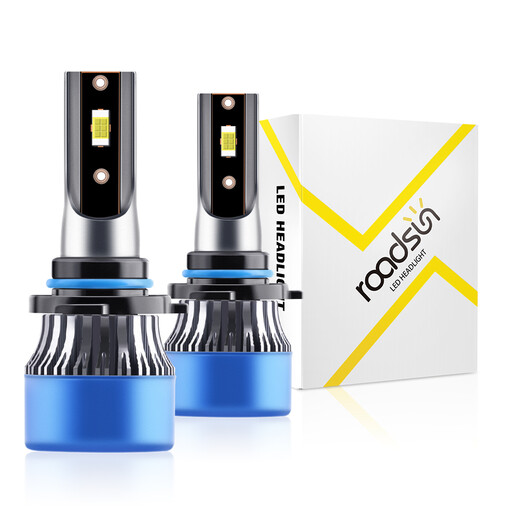
Why it stands out: This set focuses on a long lifespan through active cooling. The built-in fan ensures a stable temperature, which benefits performance and reliability.
Key Features:
Best for: Drivers who cover long distances, including at night, and are looking for a durable lighting solution that performs consistently during long journeys.
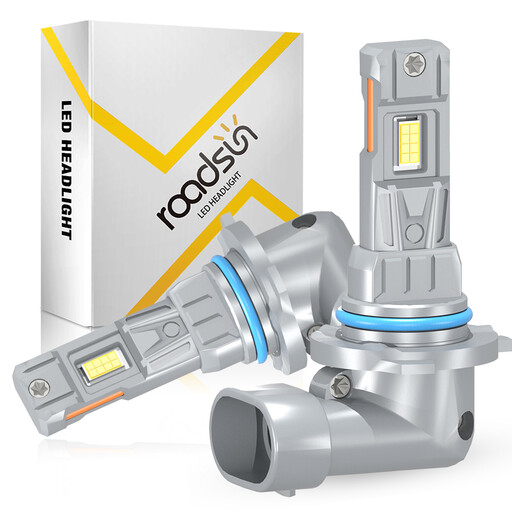
Why it stands out: The compact 1:1 size. These bulbs have the exact same dimensions as original HB4 halogen bulbs, allowing them to fit into almost any headlight housing without modification.
Key Features:
Best for: DIY enthusiasts and owners of vehicles with tight headlight housings who want a hassle-free installation.
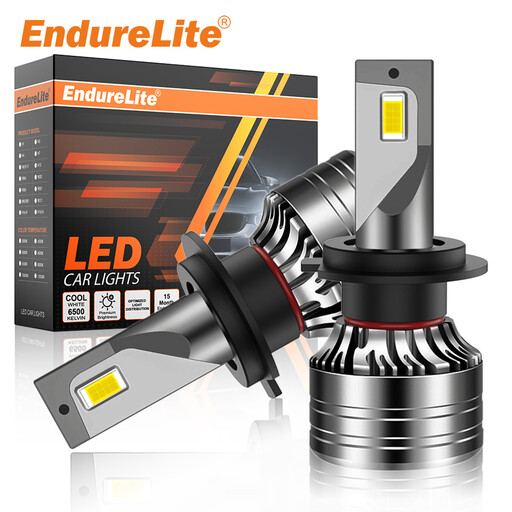
Why it stands out: The explicit CANbus ready functionality. These bulbs are designed to work flawlessly with the on-board computers of most modern cars.
Key Features:
Best for: Owners of newer (European) cars who are concerned about compatibility issues and dashboard error messages.
The right lighting is a personal choice and depends on your vehicle. If these recommendations aren't exactly what you need, there's more to explore.
? Explore our full range of simple bulbs for more options.
1. Are 9006 HB4 LED bulbs road legal? Regulations for aftermarket LED lighting are complex. Officially, headlights and the bulbs used in them must have an E-mark certification as an approved combination. Many aftermarket LED kits do not have this for every specific car model. As a result, they are often formally intended for off-road or track use only. Always check your local laws and vehicle inspection requirements before making a permanent modification.
2. What is the difference between 9005 (HB3) and 9006 (HB4) bulbs? Although they look almost identical, they are not directly interchangeable. The main difference lies in the plastic locking tabs on the socket and the standard wattage. The 9006/HB4 is typically used for low beams or fog lights, while the 9005/HB3 is often used for high beams. Installing the wrong bulb can result in a poor fit and a dangerous beam pattern.
