
Vandaag of morgen in huis

Kwaliteit gegarandeerd

Welkomstaanbiedingen ontgrendelen: GRATIS bezorging | Tot 80% korting | Gratis 30 dagen JoyPlus-proefperiode
Download de app
Thinking of replacing your halogen bulbs with 9005 LED headlight bulbs or HB3 fog lights? A higher lumen figure may seem like the most important thing to look for. In practice, the fitting, beam pattern, heat dissipation and vehicle compatibility all play a part in whether you make the right choice.
The wrong bulb may not fit, could trigger warning messages or create an uneven beam pattern. This guide will help you separate marketing claims from specifications you can check.
Product titles sometimes quote 10,000, 20,000 or even 30,000 lumens. That figure doesn’t automatically tell you how useful the light will be on the road. The beam pattern and position of the LED chips are just as important. A poorly aligned bulb can create dark patches or dazzle oncoming drivers.
According to the product descriptions from various brands, some 9005 LED bulbs are designed with a 1:1 position relative to a halogen filament. Treat this as a technical design claim, not a guarantee that the bulb will work in every headlight housing. Always check the beam pattern after installation.
A plug-and-play bulb usually uses the existing fitting and connector. However, there may not be enough room inside the headlight for a cooling fan, driver or longer bulb housing. Some vehicles may also display a warning message or experience flickering.
CANbus LED bulbs can help reduce this problem in certain cars. According to the relevant brands’ product information, some models are CANbus-ready, but sensitive vehicles may still need an additional decoder. So check the original fitting, your vehicle model and the available space.
Many HB3 LED bulbs quote a lifespan of 50,000 hours or more. This is generally a manufacturer’s estimate based on certain conditions. Actual lifespan depends on factors such as heat, vibration, moisture, how long the bulbs are used and the quality of the electrical system.
A bulb with a fan can actively dissipate heat, but it also contains a moving part. A fanless design runs more quietly and has no fan motor, but its housing needs to be able to dissipate heat.
The 9005 and HB3 designations are often used for the same fitting, but always check against:
A 9005 bulb isn’t automatically suitable for H4, H7, H11 or 9006 fittings. Some product sets include several fitting options, but that doesn’t mean every fitting is used at the same time.
6000K LED car bulbs usually produce cool white light. This suits drivers who prefer white LED headlights and a modern look. 6500K often appears slightly bluer. However, colour temperature doesn’t directly indicate light output or legal approval.
For fog lights, a well-defined beam is especially important. Also check whether the bulb you choose is intended for main beam, dipped beam, fog lights or another function.
LEDs don’t convert all their electrical energy into visible light, so heat needs to be dissipated. Many 9005 LED bulbs with cooling fans use an aluminium housing and a built-in fan. For these models, check:
Fanless HB3 LED bulbs don’t use a fan. This can appeal to drivers who value quiet operation and a compact design. However, the housing still needs to dissipate enough heat.
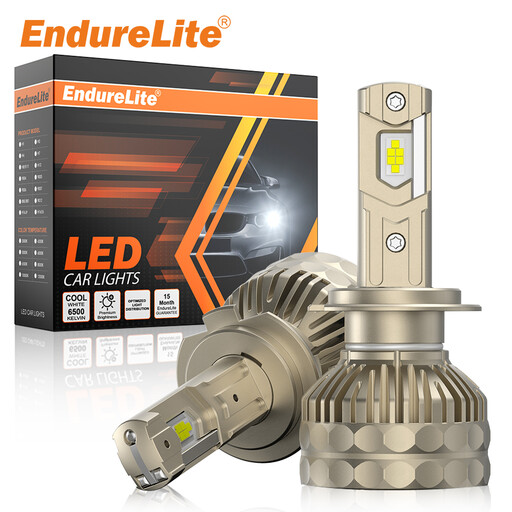
Why it suits this profile: A straightforward set for anyone looking to replace halogen bulbs without adding extra wiring. The product description mentions a 1:1 design, plug-and-play installation and a set of two bulbs.
The specifications cover not only the light colour, but also the fitting and a 1:1 beam design. Even so, check that your car uses 9005/HB3 bulbs.
6000K cool white light, CSP chips, IP68 water resistance according to the product information, and a pack containing two bulbs.
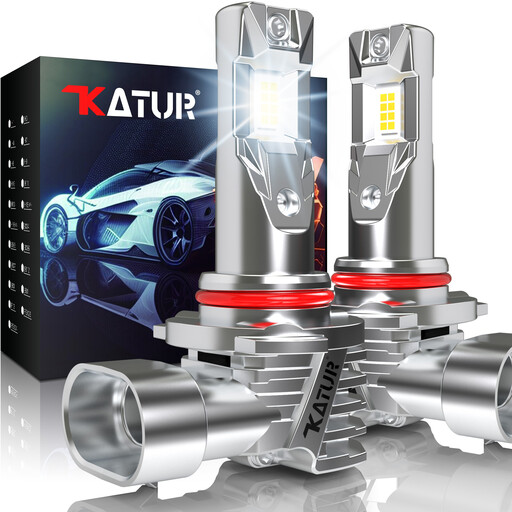
Why it suits this profile: A good choice if you value a compact, quiet design and don’t want a fan inside the bulb housing.
The fanless design eliminates the risk of a fan component failing. Still, check that your headlight housing has enough space and can dissipate heat effectively.
Fanless construction, mini size, 6000K white light and a stated output of 80 W per pair according to the product information.

Why it suits this profile: An option for drivers who use their car, SUV, lorry or powersports vehicle more intensively and are looking for active cooling.
The built-in turbo fan is designed to dissipate heat. Roadsun says this helps support a long operating life; check the space, noise level and fitting for yourself.
6500K white light, CSP chips, turbo fan and a 1:1 plug-and-play design according to the product description.
Switch off the lights and let the bulbs cool before you begin. Hold the new bulb by its base and avoid touching the LED chip. Insert the fitting straight, secure it and connect the plug.
Then check:
“Plug-and-play” describes the connection, but it doesn’t automatically mean the bulb is approved for use on public roads. So check your vehicle documents, the applicable Dutch regulations and any approval information from the manufacturer.
We’ve put together a complete, up-to-date list of products that meet these strict selection criteria and the applicable European safety regulations.
If the fitting is right, installation is often possible without tools. Check the handbook and the space behind the headlight first. If you see warning messages, access is restricted or the beam pattern looks wrong, it’s best to get help from a garage.
Manufacturers often quote 50,000 hours or more. This is a stated figure based on certain conditions, not a guaranteed lifespan for every car. Heat, moisture, vibration and the quality of the power supply all have an impact.
LEDs can be more efficient for a comparable lighting function, but check the actual wattage of the complete set. A higher lumen claim doesn’t automatically mean lower power consumption. Compare the voltage, wattage per pair and the specifications of your original halogen bulb.
