
Vandaag of morgen in huis

Kwaliteit gegarandeerd

Welkomstaanbiedingen ontgrendelen: GRATIS bezorging | Tot 80% korting | Gratis 30 dagen JoyPlus-proefperiode
Download de app
Driving in the dark or in poor weather can be a challenge, especially with the standard yellowish glow of halogen headlights. They often fail to provide the clarity needed to see the road ahead clearly. Upgrading to 9005 HB3 LED lighting can make a world of difference for your visibility and safety.
However, the automotive lighting market is vast, and the specifications can be confusing. This article serves as a practical guide. We'll help you understand the key features and highlight several popular choices, enabling you to make an informed decision.
Before you make a choice, there are a few technical aspects that will define your purchase.
Modern cars are equipped with an onboard computer that monitors the status of the lighting system. Because LED bulbs consume less power than halogen bulbs, the computer might mistakenly think a bulb is burnt out and trigger an error message. CANbus LED lighting incorporates a built-in resistor to prevent this issue. Most aftermarket kits are "CANbus ready" for the majority of vehicles.
Additionally, you'll want a kit that is easy to install. Look for plug-and-play headlights with a 1:1 design. This means the LED bulb has the same dimensions and socket as the original halogen bulb, eliminating the need for any modifications to the headlight housing.
A quality LED bulb perfectly mimics the beam pattern of the original bulb. This ensures a sharp, focused beam that illuminates the road without dazzling oncoming drivers. The colour temperature, expressed in Kelvin (K), determines the colour of the light. 6000K car bulbs produce a crisp, cool white light similar to daylight. This improves contrast and makes road signs and markings more visible.
Manufacturers often claim a brightness increase of 300% or more. This is in comparison to standard halogen bulbs. While the exact gain varies by vehicle, bright car bulbs with LED technology generally offer a significant improvement in visibility.
LED chips generate heat and require effective cooling to achieve their long lifespan. Most high-quality HB3 LED bulbs use a combination of an aluminium housing and a built-in fan. This ensures stable performance and a lifespan that, according to manufacturers, can reach up to 50,000 hours—many times longer than a traditional halogen bulb.
Below is a selection of products frequently considered by drivers looking for an upgrade.
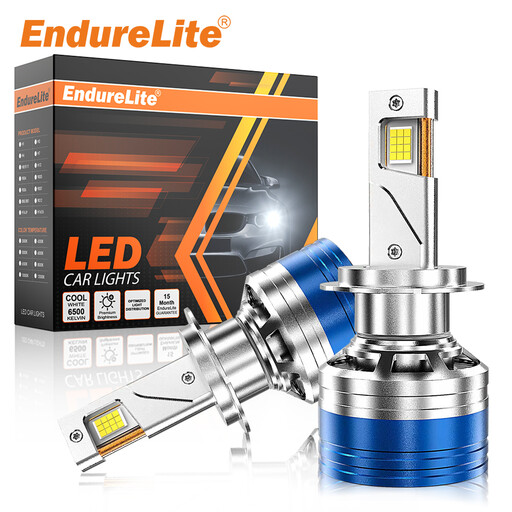
Why It Stands Out: This kit from ENdureLite focuses on a balance between enhanced brightness and a correct beam pattern. Its 1:1 design compared to the standard halogen bulb typically makes installation straightforward.
Advantages:
Who is this for?: For the driver seeking a reliable and straightforward upgrade with a focus on ease of installation and a correct beam pattern.
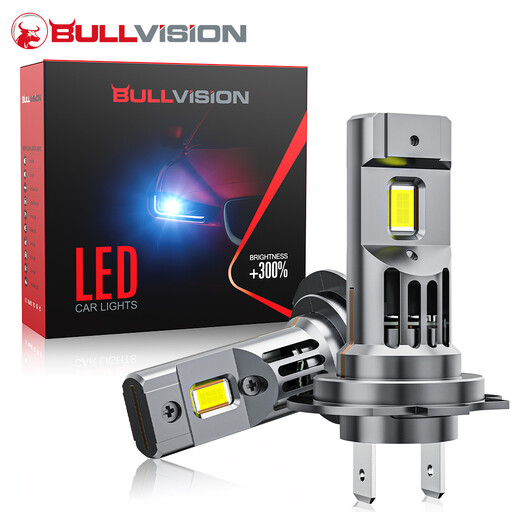
Why It Stands Out: Bullvision emphasizes high light output, with a stated value of 10,000 lumens per set. This makes them an interesting option for those seeking maximum brightness, for instance, for use as LED car fog lights.
Advantages:
Who is this for?: For drivers who prioritise maximum brightness. Note: the manufacturer indicates that an additional CANbus decoder may be required for brands such as Volkswagen, Mercedes-Benz, and BMW.
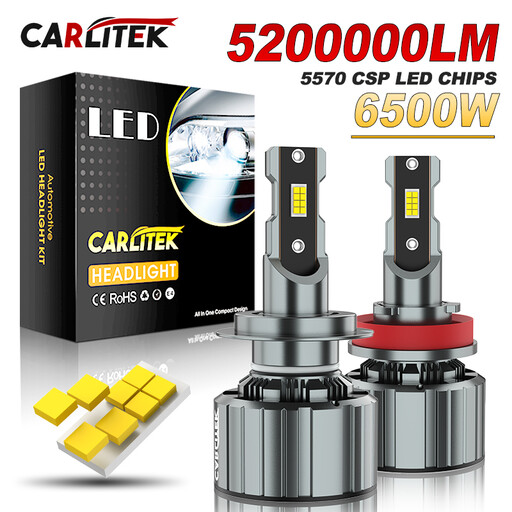
Why It Stands Out: CARLitek positions these bulbs with a very high stated light output of 20,000 lumens per pair. They are designed for those looking for one of the most powerful lighting options available.
Advantages:
Who is this for?: For the user seeking maximum light intensity and desiring a wider and farther illumination range.
The right choice depends on your car, your needs, and your budget. If the options above don't quite match what you're looking for, or if you're considering other specifications, there's more to explore.
Explore our wider range of cool white bulbs for more options and find the perfect match for your car.
1. What is the difference between 9005 and HB3? In practice, there is no difference. 9005 and HB3 are two different designations for the exact same bulb fitting. If your car requires an HB3 bulb, a 9005 bulb will fit, and vice versa.
2. Are 9005 HB3 LED bulbs street legal? This is an important point. For road use, aftermarket LED bulbs must comply with specific regional regulations (e.g., ECE approval in Europe). Many LED conversion kits do not have this certification and are officially intended for off-road or track use only. Always check the product information and local laws (such as vehicle inspection requirements) before making a purchase.
3. Do I need a separate CANbus adapter? For most cars, no. The products mentioned above have a built-in CANbus function that, according to the manufacturers, works flawlessly on 99% of vehicles. However, on a small number of cars, particularly certain German premium brands, the system can be extra sensitive, and an external CANbus decoder may still be needed to completely eliminate flickering or error messages.
