
Vandaag of morgen in huis

Kwaliteit gegarandeerd

Welkomstaanbiedingen ontgrendelen: GRATIS bezorging | Tot 80% korting | Gratis 30 dagen JoyPlus-proefperiode
Download de app
Finding a compact desk that fits perfectly in your room sounds simple. You measure the space, search for "80 cm desk," and pick a model that looks nice. But with compact furniture, the pitfalls are in the details. A wobbly surface, a drawer that can't fit anything, or a finish that gets scratched within a month—these are common complaints.
Before you make a decision, it's helpful to know what to look for. We'll outline the most common mistakes and explain how to avoid them, so you can create a functional workspace that will last for years.
Many desks for small spaces look appealing online but fall short in practice. Pay attention to these three points to avoid a bad purchase.
To sidestep the pitfalls, focus on a few concrete specifications. These determine whether an 80 cm desk is truly functional for your situation.
The foundation of a good compact computer desk is a solid construction.
The width is 80 cm, but the depth is at least as important.
A good study desk is more than just a plank on legs.
Based on these objective criteria, we have selected a number of models that suit different user profiles.
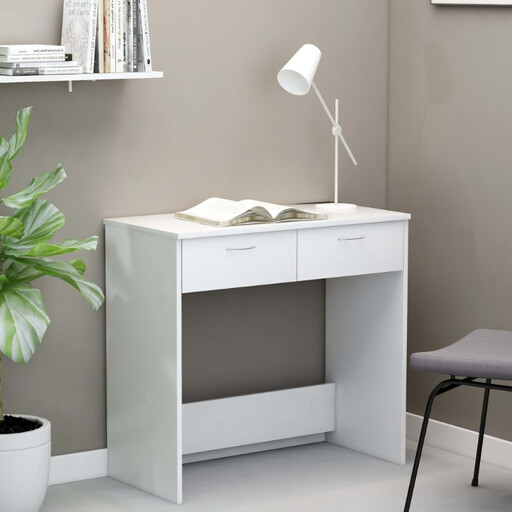
Why This Fits Their Persona: Ideal for students or for a first workspace in an apartment. The 40 cm depth makes it extremely space-saving, while the drawer provides basic storage for notebooks and pens.
This model offers a concrete feature (a drawer) instead of just an empty surface. The engineered wood is a standard, predictable material choice in this price range, without making false promises.
Compact size: The 80x40 cm dimension fits in almost any corner. Integrated storage: The drawer helps keep the work surface tidy.
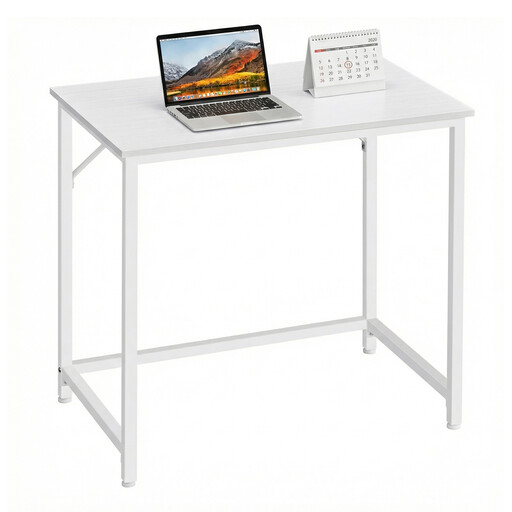
Why This Fits Their Persona: For those who work at their desk daily and need more than a basic setup. The 50 cm depth provides enough space for a laptop and an external keyboard, which is essential for good posture.
This desk tackles the "wobbly build" pitfall with a steel frame and adjustable feet. This ensures a noticeably more stable work surface, which is crucial for focused work.
Stable frame: The steel construction provides reliable stability. More workspace: The 50 cm depth allows for a more comfortable setup with a laptop and keyboard.
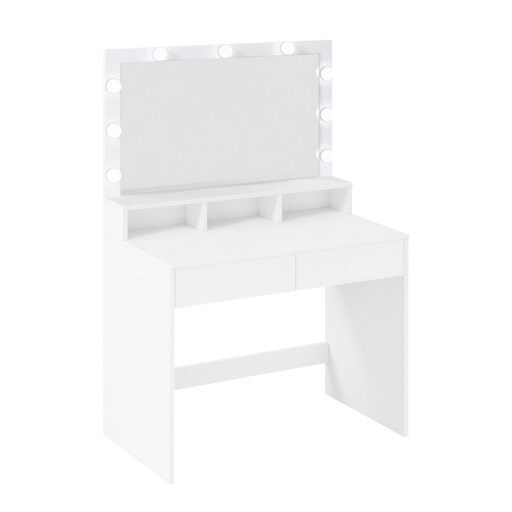
Why This Fits Their Persona: Perfect for those who want a single piece of furniture in a bedroom or study for both work and personal grooming. It combines the function of a desk with that of a vanity table.
This design addresses the "useless storage" pitfall by offering specific compartments and a drawer designed for cosmetics and accessories, making its functionality clear and purposeful.
2-in-1 functionality: Serves as a study desk and a vanity table. Built-in lighting: The LED mirror provides functional light, an extra feature a standard desk lacks.
We have compiled a complete, up-to-date list of products that fully meet these strict selection criteria and safety standards.
For simple use like writing or working on just a laptop, 40 cm can be sufficient. It's an excellent choice for saving space. However, if you work with a separate monitor, mouse, and keyboard, we recommend a depth of at least 50 cm for a comfortable and ergonomic setup.
Opt for a desk with a laminated or melamine surface; these are harder and more resistant to scratches and stains. Use coasters for hot drinks. Clean the surface regularly with a slightly damp cloth and a mild cleaning agent. Avoid abrasive sponges and harsh chemicals, as they can damage the top layer.
This depends on two factors: the desktop material and the frame's construction. A monitor arm with a clamp requires a sturdy top that can handle the pressure (MDF or thick engineered wood is better than thin particle board). Also, check if the desk's edge and frame allow the clamp to be attached. When in doubt, a monitor on its own stand is a safer choice for a lighter, more compact desk.
