
Vandaag of morgen in huis

Kwaliteit gegarandeerd
Download de app
Categorieën

Purchasing a new television is a significant investment. Especially in the premium class, where 55-inch OLED TVs reside, you want to make a well-informed decision. The specifications can be overwhelming, and the differences between brands may seem minor but are significant in practice. This guide will help you understand the key features and find a model that suits your needs, whether you're a film enthusiast, a serious gamer, or an all-round user.
Before we look at specific models, it's useful to understand the most important parameters. These factors determine the performance and user experience of your future 4K OLED TV.
An OLED TV is renowned for its superior contrast. Because each pixel can illuminate individually or turn off completely, blacks are truly black. This creates a depth and vibrancy that is hard to match with other screen technologies. All models in this segment feature 4K UHD resolution (3840 x 2160 pixels), ensuring a sharp and detailed picture. Also, look for support for HDR formats like Dolby Vision and HDR10+, which optimise the colour gamut and brightness on a scene-by-scene basis.
The refresh rate, expressed in Hertz (Hz), indicates how many times the image is updated per second. A standard TV has a 50/60Hz rate. For smooth motion during fast-paced action, such as sports and gaming, a 100/120Hz panel is recommended. The latest generation of televisions, aimed at gamers with a PC or the newest consoles, even offers a 144Hz TV mode. Features like Variable Refresh Rate (VRR), AMD FreeSync, and NVIDIA G-SYNC are crucial for gamers as they prevent screen tearing and ensure smooth gameplay.
The operating system determines how you navigate menus and use apps. The major brands each have their own platform: webOS (LG), Google TV (Sony), and Tizen (Samsung). They all provide access to popular streaming services. The choice is often a matter of personal preference. Check the number of HDMI ports and whether they support the HDMI 2.1 standard. This is essential to unlock the full potential of a PlayStation 5 or Xbox Series X, including 4K gaming at 120Hz.
Based on the criteria above, we have made a selection of popular and technically interesting models currently available.
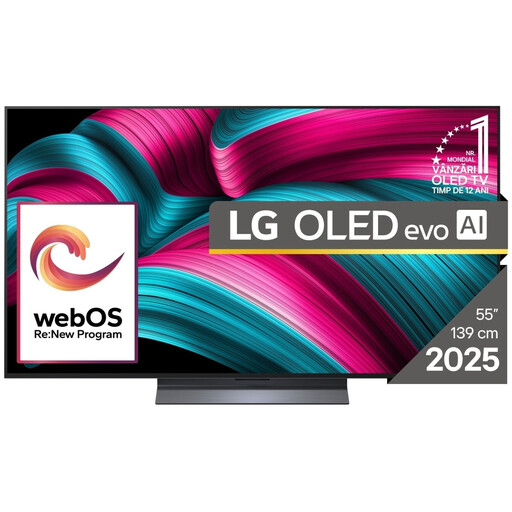
Why this product With its specifications, this LG OLED TV is clearly aimed at the demanding user, with a strong focus on gaming. The combination of an OLED evo panel with a refresh rate of up to 144Hz and a very low input lag of 0.1 ms makes this a standout choice for gamers. The webOS 25 platform is known for its user-friendly interface and the included AI Magic Remote.
Advantages
Who is it for? Primarily for the serious gamer looking for a responsive OLED TV for gaming without compromise. It's also a strong all-rounder for those who enjoy the fast and intuitive interface of webOS.
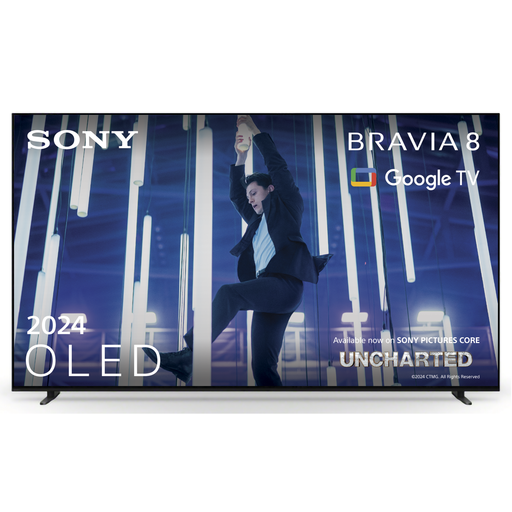
Why this product The Sony BRAVIA 8 emphasizes a cinematic experience. A unique feature is the Acoustic Surface Audio+ technology, where the screen itself acts as the speaker. This creates sound that seems to come directly from the picture. According to Sony, the XR Contrast Booster enhances the display to approximate the filmmaker's intent. The Google TV platform offers an extensive selection of apps and integrated voice control.
Advantages
Who is it for? The film enthusiast seeking a home cinema experience where picture and sound seamlessly merge. The Sony OLED 55 inch is also an excellent choice for PlayStation 5 owners due to its optimised integration.
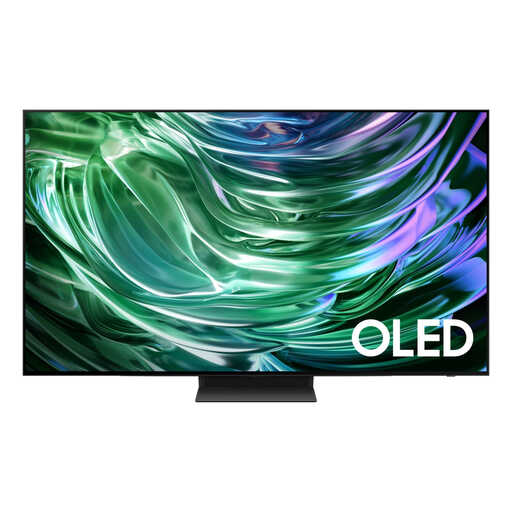
Why this product With the QE55S90D, Samsung focuses heavily on AI-driven picture optimisation. The NQ4 AI Gen2 processor uses, according to Samsung, 20 neural networks to upscale picture and sound to 4K quality. This model combines a sleek, ultra-thin LaserSlim Design with powerful performance, including a 144Hz refresh rate and FreeSync Premium, making it a competitor to the LG in the gaming arena. The Tizen OS provides a fast and clean interface.
Advantages
Who is it for? The user looking for a smart, design-focused TV with powerful AI image processing for both movies and gaming. This Samsung OLED 55 inch is a versatile choice for those who value both aesthetics and technological innovation.
| Feature | LG OLED55C51LA | Sony K-55XR80 | Samsung QE55S90D | | :--- | :--- | :--- | :--- | | Max. Refresh Rate | 144Hz | 120Hz | 144Hz | | Smart Platform | webOS 25 | Google TV | Tizen OS | | Unique Audio | AI Sound Pro | Acoustic Surface Audio+ | Q-Symphony | | Unique Picture | OLED evo | XR Contrast Booster | NQ4 AI Gen2 Processor | | Gaming Focus | Very High (G-Sync/FreeSync) | High (Perfect for PS5) | Very High (FreeSync) |
These three models represent the top of the current market, each with its own focus. If none of these specific televisions fully meet your requirements, or if you are curious about other sizes, previous models, or alternative technologies, you can explore a wider range.
Explore our full range in the OLED Television category.
1. What is the advantage of a 144Hz OLED TV? A 144Hz refresh rate provides exceptionally smooth motion. This is especially noticeable when playing games on a high-end PC or a compatible console. Movements are sharper and response times feel more immediate, which can provide a competitive edge. It can also make the picture look calmer when scrolling through menus or watching content with a lot of fast movement.
2. Are OLED TVs susceptible to burn-in? Modern OLED TVs are equipped with various technologies to minimise the risk of burn-in (the permanent retention of static images). Features like pixel shifting, logo brightness adjustment, and automatic screen savers are standard. With normal, varied viewing habits, the chance of burn-in on the current generation of OLEDs is very low. However, it is not recommended to display static images, such as news banners or game interfaces, continuously at maximum brightness for hours on end.
3. What is the main difference between the smart platforms from LG, Sony, and Samsung?
Written by: Joybuy Product Recommendation Officer