
Vandaag of morgen in huis

Kwaliteit gegarandeerd

Welkomstaanbiedingen ontgrendelen: GRATIS bezorging | Tot 80% korting | Gratis 30 dagen JoyPlus-proefperiode
Download de app
A bottle of 500 ml soy sauce might seem like a straightforward purchase, but the difference between light, dark, Chinese and Korean soy sauce is noticeable in the pan. One variety is ideal for stir-frying and marinades, while another adds colour, sweetness or extra umami.
As a Joybuy Product Recommendation Officer, I focus on verifiable information on the label: ingredients, salt content, preparation method, allergens and recommended use. This way, you avoid relying solely on words like “premium”, “natural” or “no additives”.
A premium soy sauce may, according to the product description, have been fermented for longer or in a traditional way. However, that doesn’t automatically mean it suits every recipe. A light soy sauce is generally intended to add flavour and saltiness without much colour. A dark soy sauce, on the other hand, is often used for colour and a fuller flavour in stewed dishes.
Always check the usage suggestions. If you’re looking for soy sauce for sushi, dumplings or cold dishes, a light variety is usually a better fit. For marinades, braised meat and dishes where a deep colour is desired, dark soy sauce is the more obvious choice.
Soy sauce without additives can still contain a lot of salt. Qian He Soybean Sauce, for example, lists water, soybeans, wheat, salt and sugar as ingredients and states 15.6 grams of salt per 100 ml. In this case, the term “zero additives” mainly indicates the absence of certain extra ingredients, not the salt content.
If you’re looking for less salt, you need to check the nutritional information panel. The range includes varieties with explicit salt reduction, such as Qianhe 35% Reduced Salt Light Soy Sauce. According to the product information, this sauce contains 11.5 grams of salt per 100 ml. That’s lower than several regular varieties, but the sauce remains a concentrated flavour enhancer.
Alongside water, soybeans, wheat and salt, ingredients such as sugar, glucose syrup, sweeteners, colourings, preservatives and flavour enhancers may be present. That’s not necessarily unsuitable, but it does influence your choice.
DongGu Fresh Soy Sauce with Sweetener contains, according to the label, sweeteners, flavour enhancers and preservative. LEE KUM KEE Premium Dark Soy Sauce includes caramel colour, sugar, monosodium glutamate and stabiliser. If you’re looking for a simple composition, you can compare the ingredients list of, for example, Qian He Premium First Press Light Soy Sauce or ChuBang Zero Additives Original Juice Premium Light Soy Sauce.
Product labels feature terms such as “naturally brewed”, “premium brewed” and “six-month fermentation”. According to the product information from the respective brands, these claims refer to the preparation method used. Treat them as product information and compare them with the ingredients list.
A shorter list can be useful if you’re looking for soy sauce without additives. Qian He Soybean Sauce 500 ml lists five ingredients and, according to the product description, no added MSG, preservatives or colourings. ChuBang also states a short composition with water, soybeans, wheat, salt, sugar and yeast extract.
Also pay attention to allergens: many varieties contain soybeans and wheat/gluten. Check the packaging if you need to avoid these ingredients.
Always compare the same unit. The values in the range vary. Some examples from the product information:
The data may vary per packaging or market. Therefore, use the label on the bottle you receive as a guide. A lower value also doesn’t mean you can use unlimited amounts of the sauce.
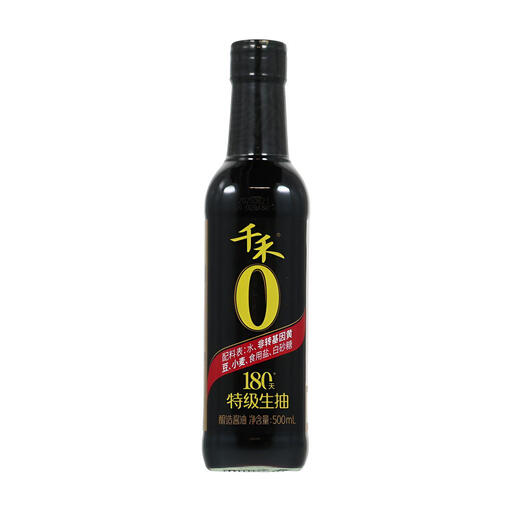
Why this fits the profile: The bottle is suitable for everyday cooking, dipping, marinades and stir-frying. The composition is straightforward and the 500 ml content is ideal for regular home use.
The product information specifically mentions five ingredients and no added MSG, preservatives or colourings. The salt content is clearly stated, so you don’t have to rely solely on the “no additives” claim.
500 ml content; suitable for multiple uses; water, soybeans, wheat, salt and sugar as listed ingredients.
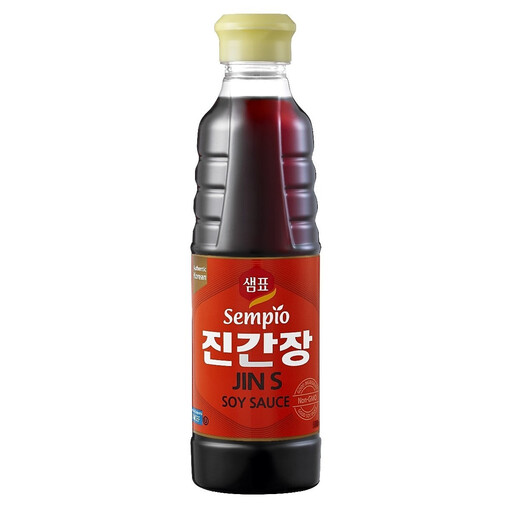
Why this fits the profile: This Korean soy sauce is ideal for users who regularly make Korean marinades, stir-fries and dipping sauces.
The ingredients list can be checked in advance: it includes glucose-fructose syrup, alcohol, yeast extract, sweetener and preservative. This means you know what you’re buying rather than just trusting the term “premium”.
Korean origin; 500 ml content; suitable for marinades, stir-frying and dipping.
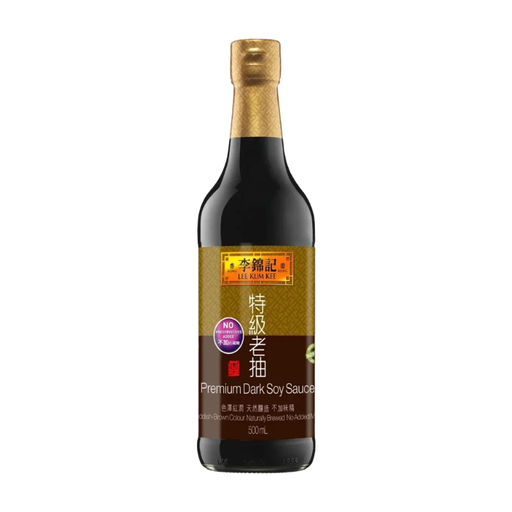
Why this fits the profile: This dark soy sauce is designed for braising, stews and marinades where colour and a fuller flavour are important.
The product description clearly states its intended use and mentions that you should use the sauce sparingly due to its dark colour. The ingredients list also shows colouring, sugar, MSG and stabiliser.
Dark variety for colour and depth; 500 ml content; 12 grams of salt per 100 ml according to the stated nutritional information.
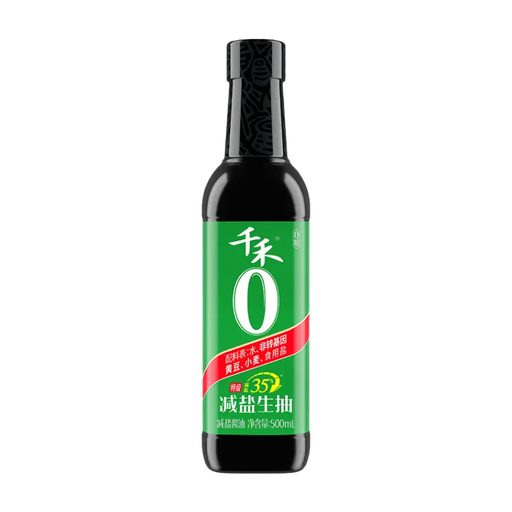
Why this fits the profile: Ideal for those who actively want to compare salt content and are looking for a light soy sauce for stir-frying, cold dishes, marinades and dipping.
The salt reduction is stated as a concrete product claim and the label indicates 11.5 grams of salt per 100 ml. Check the actual packaging to confirm the comparison.
35% less salt according to the product claim; five listed ingredients; light sauce for everyday use.
We’ve put together a full, up-to-date list of products that fully meet these strict selection criteria and comply with current European safety regulations.
Follow the storage advice on the packaging. Many products recommend a cool, dry place before opening and refrigeration after opening. Close the bottle tightly and use the best-before information on the label as a guide. If the smell, colour or taste seems off, it’s best not to use the sauce.
A light soy sauce is usually the most practical for stir-frying, as it adds flavour without darkening the dish too much. Haday Superior Light Soy Sauce, Lee Kum Kee Premium Light Soy Sauce and Qianhe 35% Reduced Salt Light Soy Sauce list stir-frying as an application. Add the sauce gradually, as the salt content varies by brand.
No. Dark soy sauce is mainly used for colour and a deeper flavour, for example in braises and stews. Light soy sauce is more versatile for marinades, stir-frying, cold dishes and dipping. When buying, check the description on the label and the recommended uses.
