
Vandaag of morgen in huis

Kwaliteit gegarandeerd

Welkomstaanbiedingen ontgrendelen: GRATIS bezorging | Tot 80% korting | Gratis 30 dagen JoyPlus-proefperiode
Download de app
A 50 ml face cream may seem like a straightforward purchase, but the range varies considerably. Are you looking for a day cream, a hydrating face cream, a facial moisturiser or a cream with SPF? Then it is important not to focus solely on the packaging or a striking claim.
Many consumers pay for promises that do not properly suit their skin or routine. With this guide, you can compare products based on verifiable features such as contents, ingredients, texture, fragrance, SPF and recommended skin type.
Terms such as “anti-ageing”, “lifting”, “glow” and “reduces dark spots” sound appealing. However, they do not automatically tell you what to expect in practice. According to a brand’s own research or product information, certain ingredients may contribute to a particular skin experience, but this is not a guarantee for every skin type.
That is why you should check the full ingredients list. Niacinamide, glycerine, hyaluronic acid and ceramides each have a different role within a formula. Also check whether fragrance, alcohol or exfoliating ingredients are suitable for your skin.
A face cream with SPF can be convenient for everyday use, but the level of protection and the amount applied are important. For example, a BB cream with SPF 15 is not the same as a separate sun-care product with SPF 50+. If you are spending a long time outdoors, follow the instructions on the packaging and reapply the product if necessary.
A cream for all skin types may appeal to a broad audience, but individual sensitivity remains important. A rich cream may feel comfortable on dry skin but too heavy on oily skin. A mattifying face cream may feel less comfortable if your skin feels tight or dry.
Test a new product on a small area of skin first, and stop using it if you experience redness, itching or a burning sensation. If symptoms persist, consult a doctor or dermatologist.
50 ml is a common amount for everyday use and is often compact enough for a washbag. Do not just consider the contents; also look at the type of packaging:
For dry or mature skin, a richer formula containing ingredients such as shea butter, oils, glycerine or ceramides may feel comfortable. Combination or oily skin often prefers a gel cream or lightweight facial moisturiser.
If you have sensitive skin, look for fragrance-free formulas, a short ingredients list and clear usage warnings. “Hypoallergenic” does not guarantee that nobody will react to the product; always check the ingredients.
Start by choosing the main purpose:
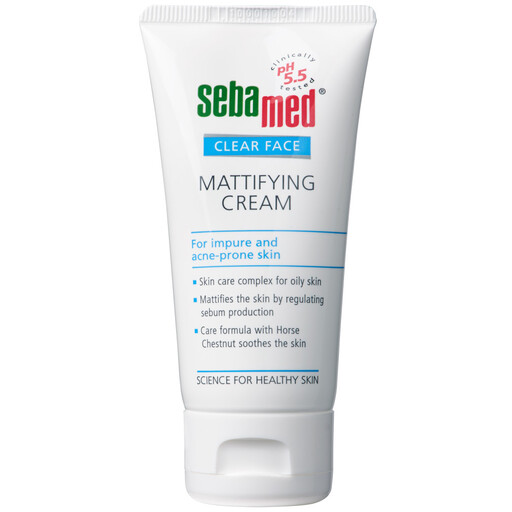
Why it suits this profile: This 50 ml cream is designed to provide a mattifying finish and may suit combination or oily skin that does not call for a heavy texture. The product information states that it can be used in the morning and evening.
The product information names specific ingredients such as niacinamide, panthenol, zinc gluconate and sodium hyaluronate, rather than relying solely on a general finish claim.
50 ml contents, a mattifying positioning and an ingredients list containing hydrating and soothing ingredients.
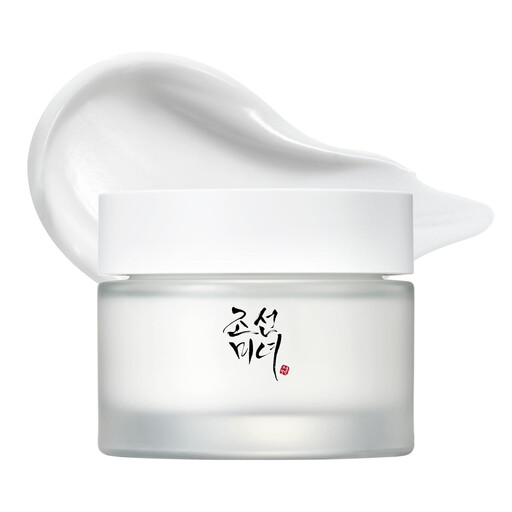
Why it suits this profile: According to the product description, this Korean face cream has a creamy formula containing rice bran water, ginseng root water, niacinamide, honey extract and ceramide NP.
The choice is based on specified ingredients, 50 ml contents and a fragrance-free product listing, rather than just the look of the packaging.
Creamy texture, fragrance-free according to the product details, and stated to be suitable for all skin types.
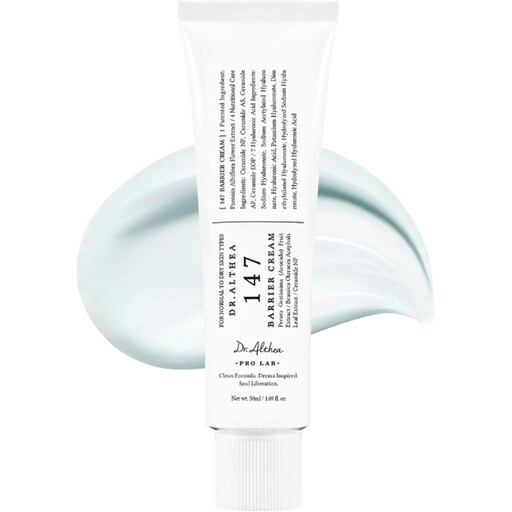
Why it suits this profile: The product information lists seven types of hyaluronic acid, ceramides, vitamin E and guaiazulene. This suits a routine centred around hydration and the skin barrier.
The formula is not presented simply as “repairing”: the product description specifically mentions ceramides and hydrating ingredients. Check the current packaging when purchasing.
50 ml, ceramides and several forms of hyaluronic acid according to the product information; intended as a nourishing moisturiser.
We have compiled a complete, up-to-date list of products that fully meet these strict selection criteria and the applicable European safety regulations.
Apply a small amount to cleansed skin. A day cream is usually used in the morning; some products are also suitable for evening use. Where possible, layer products from lightest to richest:
A cream for all skin types is not automatically suitable for every combination of products. For example, take care when layering exfoliating ingredients such as salicylic acid with other active formulas.
That depends on how much you use and how often. When used daily on the face and neck, a jar can last from several weeks to several months. Use the recommended amount and check the period after opening on the packaging.
A 50 ml container is compact and practical for travelling. However, rules apply to liquids and gels in hand luggage when flying from the Netherlands. Check the current requirements of your airport and airline before departure.
That depends on the SPF, the amount applied and how long you are exposed. A product with SPF 15 offers different protection from a face cream with SPF 50+. For longer periods outdoors, a separate sun-care product is often more practical, especially when reapplication is needed.
