
Vandaag of morgen in huis

Kwaliteit gegarandeerd

Welkomstaanbiedingen ontgrendelen: GRATIS bezorging | Tot 80% korting | Gratis 30 dagen JoyPlus-proefperiode
Download de app
The search for a new television can be overwhelming. You're constantly bombarded with terms like OLED, QLED, 120Hz, and HDR. How do you know which 4K Smart TV truly fits your needs and your living room?
As a Joybuy Product Recommendation Officer, my job is to cut through the marketing jargon and provide you with practical, objective advice. In this article, we'll help you understand the specifications that really matter and present a selection of popular choices for 2026, so you can make an informed decision.
Before we look at specific models, it's helpful to understand a few key specifications. This will help you determine your priorities.
The screen panel's technology largely determines the picture quality. The three most common types are:
The refresh rate, expressed in Hertz (Hz), indicates how many times the image is updated per second. A standard TV has a 60Hz rate, but for certain applications, a 120Hz TV is a noticeable upgrade. Especially for a TV for gaming with a PlayStation 5 or Xbox Series X, 120Hz provides extremely smooth visuals. A higher refresh rate can also display motion more sharply and smoothly when watching fast-paced sports or action movies.
A Smart TV is only truly smart with a good operating system. This platform determines how you navigate, which apps are available, and how easily you find content. Google TV is a popular and user-friendly system that organises all your streaming services (Netflix, Prime Video, Disney+) and makes personal recommendations. Other brands, like LG, use their own platform (webOS), which is also known for its speed and ease of use.
Based on specifications and features, we have listed a few interesting models for you.
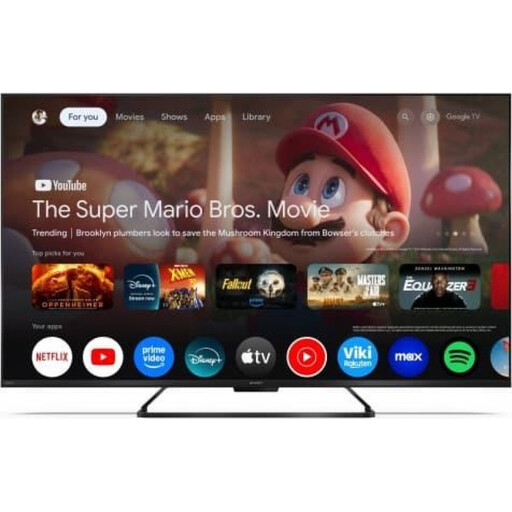
Why This Model Stands Out The Sharp 55JP7465E combines two powerful picture technologies: MiniLED for precise backlighting and deep contrast, and QLED for a broad and vibrant colour palette. This, along with the versatile Google TV platform, makes it a strong all-rounder.
Pros:
Who is it for? For the film and series enthusiast looking for impressive picture quality with deep contrast and bright colours, without the premium price tag.
More information about the Sharp 55JP7465E
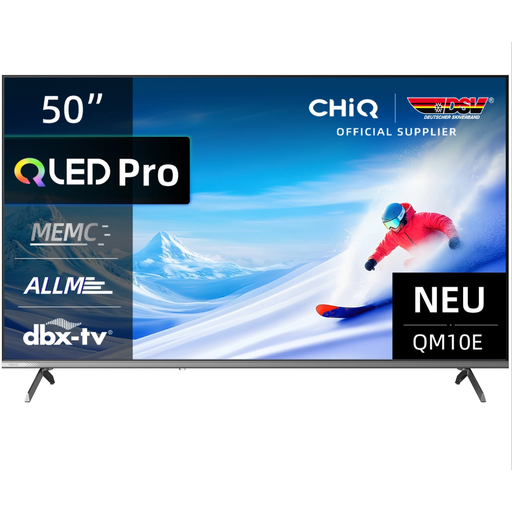
Why This Model Stands Out This model from CHiQ delivers QLED picture quality and modern gaming features in an accessible package. With a 120Hz DLG (Dual Line Gate) mode and a slim, frameless design, this TV offers a lot of functionality for its price.
Pros:
Who is it for? For gamers and streamers looking for a fast, responsive 50-inch TV with good picture quality and a sleek look, without breaking the bank.
More information about the CHiQ U50QM10E
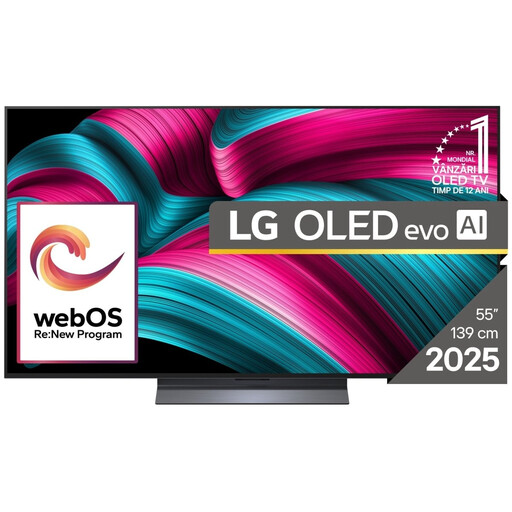
Why This Model Stands Out The LG OLED55C51LA uses OLED evo technology, renowned for its superior picture quality. Because each pixel produces its own light, you get perfect blacks and unparalleled contrast. This is a popular choice for the true picture purist.
Pros:
Who is it for? For the serious film enthusiast and gamer who demands the highest possible picture quality. This is a premium 55-inch TV that excels in both dark movie scenes and fast-paced games.
More information about the LG OLED55C51LA
These three models offer a good overview of what the market has to offer, but you might be looking for a different size, technology, or budget. For a broader look at the possibilities, you can browse our full range.
Discover more options in our UHD 4K TV category.
1. What is the main difference between OLED and QLED? Simply put: OLED pixels create their own light, resulting in perfect blacks and very high contrast. This is ideal for movie nights. QLED TVs use a backlight and a quantum dot filter, allowing them to achieve higher brightness and very vibrant colours, which works well in bright rooms.
2. Do I really need a 120Hz TV? For watching most movies and series, 60Hz is sufficient. However, a 120Hz panel offers a clear advantage for gamers with a modern console (PS5/Xbox Series X) and for fans of fast-paced sports, as motion appears smoother and sharper.
3. How large should my 4K TV be? The ideal size depends on your viewing distance. A general guideline for a 4K TV is to divide the viewing distance in centimetres by about 1.5. For a 55-inch TV (139 cm diagonal), a viewing distance of approximately 1.7 to 2.5 metres is comfortable.
