
Vandaag of morgen in huis

Kwaliteit gegarandeerd

Welkomstaanbiedingen ontgrendelen: GRATIS bezorging | Tot 80% korting | Gratis 30 dagen JoyPlus-proefperiode
Download de app
A mirror dash cam with 4K resolution seems like the perfect upgrade: razor-sharp video, a clutter-free dashboard, and enhanced safety. But the market is flooded with models that overpromise and underdeliver. Before you buy a car camera, it's crucial to know what to look for. Many drivers fall into the same traps, leading to frustration and wasted money.
As a Joybuy Product Recommendation Officer, I'm here to help you cut through the marketing fluff. Here are the most common problems and how to avoid them.
The 3 Pitfalls of Choosing a Mirror Dash Cam:
mirror dash cam is its seamless integration. However, some models are too thick, don't fit properly over the existing mirror, or have a screen that is too bright and distracting at night. The mirror must remain functional, even when the screen is off.To avoid a bad purchase, it's crucial to check a few key technical specifications. These determine the actual performance and usability of your rearview mirror camera.
Resolution is more than just a number. True 4K (3840x2160 pixels) is determined by the image sensor. Look for models that explicitly mention a sensor from a reputable brand, such as the Sony STARVIS series. These sensors are known for their excellent low-light performance, which is essential for clear night recordings. A good sensor ensures you can clearly capture details like license plates and road signs, both day and night.
A dash cam isn't just for what's happening in front of you. Consider which angles you want to cover.
front and rear dash cam): The most popular choice. A camera at the front and a second camera for the rear of the car. This provides complete coverage in rear-end collisions.3 channel dashcam): Adds a third camera that films the car's interior. This is especially useful for professional drivers (taxi, delivery) to ensure cabin safety and record interactions.Modern dash cams do more than just record while you drive. Two features are particularly valuable:
Not every dash cam is right for every driver. Below is a selection of models tailored to different user profiles, based on their objective specifications.
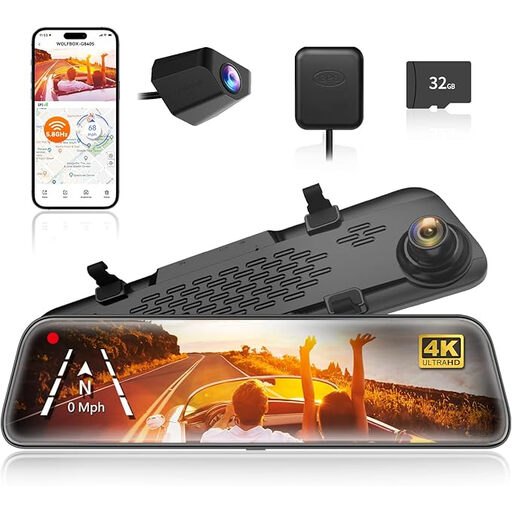
Why This Fits Their Persona: Ideal for the daily commuter or family car. This dash cam offers a complete front and rear 4K solution with a large 12-inch screen for a clear overview without obstructing the view.
Delivers true 4K resolution at the front and has good night vision capabilities, avoiding the "fake 4K" and poor night performance pitfalls.
Large 12" touchscreen for easy operation and a clear view. Includes GPS and a 32GB card, so it's ready to use out of the box.

Why This Fits Their Persona: Specifically designed for professionals like taxi or delivery drivers who need maximum coverage. This 3-channel system films the road ahead, behind, and inside the cabin.
Uses a high-quality Sony STARVIS 2 IMX678 sensor for superior 4K footage and night vision, putting an end to unclear recordings.
Three-channel recording (4K+2.5K+1080P) for comprehensive evidence. Includes a large 256GB memory card.
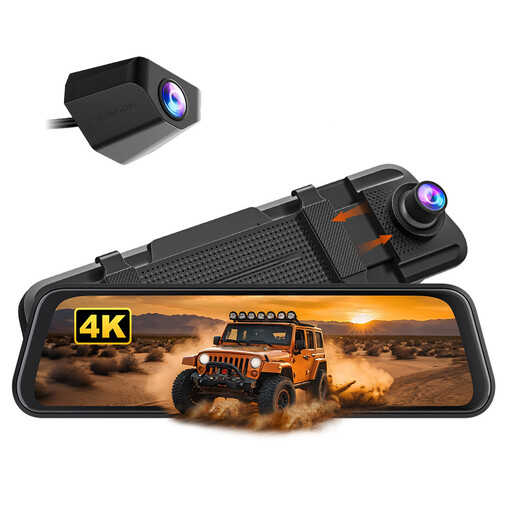
Why This Fits Their Persona: An excellent entry-level model for those who want to experience the benefits of a 4K mirror dash cam without paying for advanced extras. It offers the essential features in an affordable package.
Offers a true 4K front camera and a 1080P rear camera, so you don't fall into the upscaled resolution trap. The design is slim and functional.
Excellent value for money. Includes key features like loop recording and a G-sensor, with a 10-inch touchscreen.
We have compiled a complete, up-to-date list of products that fully meet these strict selection criteria and local regulations.
Yes, the use of a dash cam in the Netherlands is legal. You are allowed to make recordings for personal use, such as for evidence after an accident. However, it is important to respect the privacy of others. Do not publish footage in which people or license plates are identifiable without their consent.
Parking mode activates the dash cam to record when it detects an impact or motion while the car is parked. To use this feature, the dash cam needs a continuous power supply. This is usually achieved with a hardwire kit, which connects the dash cam directly to the car's fuse box. This installation is often performed by a professional to prevent draining the car's battery.
4K recordings take up significantly more space than Full HD recordings. For a front and rear dash cam that records in 4K, a card of at least 64GB is recommended. A 128GB or 256GB card is a better choice if you take longer trips or don't want old footage to be overwritten too quickly by the loop-recording feature. Always choose a 'High Endurance' microSD card, which is specifically designed for continuous recording cycles.
