
Vandaag of morgen in huis

Kwaliteit gegarandeerd

Welkomstaanbiedingen ontgrendelen: GRATIS bezorging | Tot 80% korting | Gratis 30 dagen JoyPlus-proefperiode
Download de app
A dash cam is no longer a luxury, but a necessity. Whether it's for capturing evidence after a collision or securing your parked car, a reliable camera provides peace of mind. However, the market for 4K front and rear dash cams is filled with marketing terms and specifications that create more confusion than clarity. Many drivers fall into common pitfalls that render their purchase useless after just a few months.
As a Joybuy Product Recommendation Officer, I'm here to help you cut through the noise. We'll focus on what truly matters, so you can choose a model that performs when it counts. Let's discuss the three most common pitfalls.
To avoid the pitfalls mentioned above, it's crucial to look beyond the marketing buzzwords. Focus on the following three core specifications to find a durable and reliable 4K front and rear dash cam.
True, or 'native', 4K resolution (3840x2160 pixels) is determined by the hardware, not by software tricks. The key to sharp images, especially in low light, is the image sensor. Models with a Sony STARVIS 2 dash cam sensor are a popular choice. These sensors are specifically designed to capture clear and detailed images in dark conditions. Combined with HDR (High Dynamic Range) technology, over- and underexposed parts of the image are corrected, which is essential when dealing with backlight from headlights or a low sun.
A good dashboard camera with parking mode offers more than just impact-triggered recording. Look for models with the following features:
Modern dash cams offer more than just recording. These features significantly enhance usability and the strength of your evidence:
Based on the criteria above, we have selected a few models that suit different types of drivers.

Why This Fits Their Persona: For drivers who make no compromises on image quality, day or night. This model is focused on delivering the sharpest possible footage.
It counters the pitfall of poor night vision with a leading Sony STARVIS 2 IMX678 sensor and AI-ISP, ensuring clear images in the dark.
True 4K HDR recording for the front and 1080p HDR for the rear. The D?save technology with 32GB of built-in eMMC storage provides an extra safety net if the SD card fails.
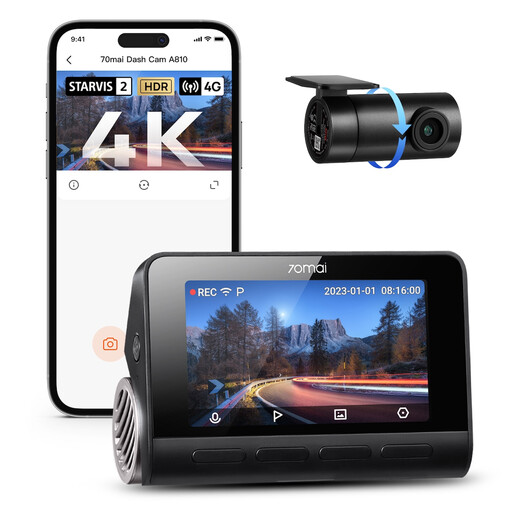
Why This Fits Their Persona: Ideal for the tech enthusiast looking for advanced features like AI surveillance and the ability to connect to the car remotely.
It tackles the pitfall of an unreliable parking mode with an advanced AI motion detection algorithm that specifically detects people, reducing false alerts.
Supports 4G LTE (via the separately sold UP04 kit) for live viewing and remote app notifications. Dual Sony STARVIS 2 sensors for superior HDR imaging.
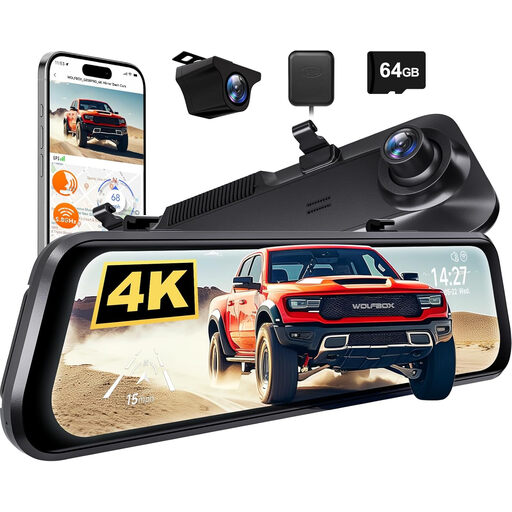
Why This Fits Their Persona: For the driver who values a clean dashboard and a factory-installed look. This mirror dash cam integrates seamlessly into the car's interior.
This is a mirror dash cam that covers the original rearview mirror, so it doesn't obstruct the view with a separate device. It delivers true 4K quality and is therefore not just a gimmick.
A large 12-inch touchscreen that functions as a wide digital rearview mirror, significantly improving rear visibility, combined with a 4K front camera.
A mirror dash cam offers a unique, integrated solution. If this type of camera piques your interest, we've compiled a complete list of models that meet our strict selection criteria.
Yes, using a dash cam is legal in most countries, including the UK, USA, and across Europe. You can typically use the footage as evidence in legal proceedings. However, be mindful of privacy laws (like GDPR in Europe). It is generally not permitted to store footage for unnecessarily long periods or to publish it online without cause, especially if individuals or license plates are identifiable.
Many dash cams use a supercapacitor instead of a traditional lithium-ion battery. Supercapacitors are much more resistant to extreme temperatures, both summer heat and winter cold. This makes them more reliable and durable, as they are less prone to wear and tear from temperature fluctuations inside the car.
For a parking mode that remains active after you've turned off the engine, a hardwire kit is almost always necessary. This kit connects the dash cam to a constant power source in your car's fuse box. Without it, the dash cam will only operate (and record) when the engine is running and the camera receives power from the 12V outlet (cigarette lighter socket). Always choose a kit with built-in voltage protection to prevent draining your car's battery.
