
Vandaag of morgen in huis

Kwaliteit gegarandeerd

Welkomstaanbiedingen ontgrendelen: GRATIS bezorging | Tot 80% korting | Gratis 30 dagen JoyPlus-proefperiode
Download de app
A dual dash cam that records everything in 4K, both front and rear, offers peace of mind on the road. It's your impartial witness in the event of an incident. But the market is flooded with models that promise the world. Many drivers fall for the same traps: paying for features that don't work or for specifications that sound better than they are.
Before you make a choice, it's wise to know where the marketing tricks lie. These are the most common problems:
This guide will help you avoid these pitfalls and recognise the right specifications, so you can choose a model that actually performs when it matters most.
You don't need to be a technical specialist to make a good purchase. Pay attention to the following three points that determine the quality and reliability of a dual dash cam.
The term "4K" only refers to the number of pixels. The quality of those pixels is determined by the image sensor and the lens.
A 4K dash cam continuously writes huge amounts of data. A standard microSD card is not designed for this and can fail quickly, precisely when you need the footage.
Modern dash cams offer more than just recording. These features significantly increase usability and safety.
Based on objective specifications that meet the needs of different drivers, here are some recommendations.
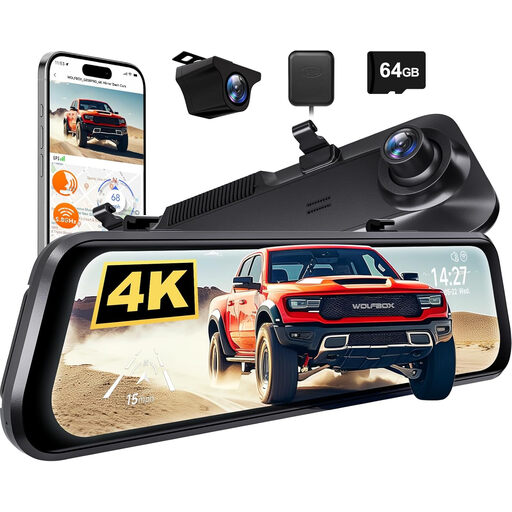
Why This Fits Their Persona: This model replaces the traditional rearview mirror with a 12-inch touchscreen. It's ideal for those who want the latest technology, with a sleek, integrated look and a fully digital overview of what's happening behind the car.
The WOLFBOX G850 Pro delivers true 4K image quality at the front. The large screen functions as a full-fledged rearview camera, solving the problem of limited visibility through the rear window.
Includes advanced driver-assistance systems (ADAS), 5.8GHz WiFi for fast transfers, GPS, and a 64GB card. A complete package.
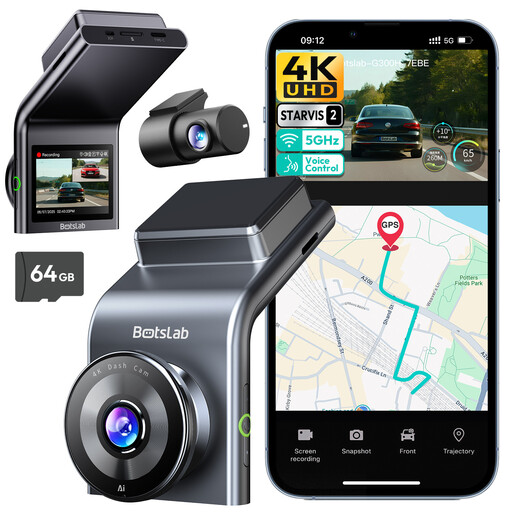
Why This Fits Their Persona: For the driver who is on the road daily and wants a reliable, no-fuss dash cam. The focus is on excellent image quality and essential functions, without unnecessary extras.
This model tackles the pitfall of poor night vision with a Sony STARVIS 2 sensor and WDR technology. This ensures clear and detailed images, even on poorly lit roads.
Delivers a 4K front camera and a Full HD rear camera, including a 64GB SD card, voice control, 5GHz Wi-Fi, and GPS. A very complete set for its price range.
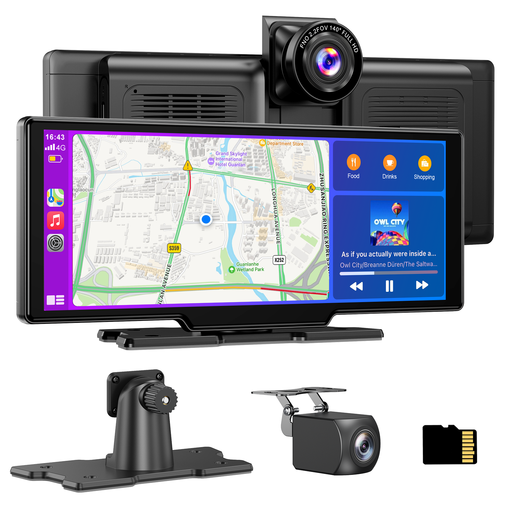
Why This Fits Their Persona: Perfect for drivers with a slightly older car that lacks a modern infotainment system. This device combines a 4K dash cam with a large screen for wireless Apple CarPlay and Android Auto.
This is a plug-and-play solution. You don't need to perform a complex installation. Power is supplied via the 12V socket, which eliminates the risk of a dead battery from an incorrectly installed parking mode.
Combines a 4K front and rear dash cam with navigation, music, and hands-free calling on a large 10.26-inch screen. A 64GB card is included.
We have compiled a complete, up-to-date list of products that fully meet these strict selection criteria and local regulations.
Yes, absolutely. 4K videos are large and require a card with a high write speed (minimum UHS Speed Class 3 (U3)). Even more important is its durability. Choose a "High Endurance" microSD card, such as the Samsung PRO Endurance. These are specifically made to continuously record and overwrite video, making them last much longer than standard cards.
A good parking mode needs a power source when the engine is off. There are two common methods:
The installation of the front camera is typically straightforward: you stick it to the windshield and run the power cable along the trim to the 12V socket. The rear camera requires more work. The cable must be routed from the front to the back of the car, often through the headliner and door pillars. While this is a feasible DIY project for most people, you can also have it done by a garage for a neat and invisible finish.
