
Vandaag of morgen in huis

Kwaliteit gegarandeerd

Welkomstaanbiedingen ontgrendelen: GRATIS bezorging | Tot 80% korting | Gratis 30 dagen JoyPlus-proefperiode
Download de app
A dashcam is no longer a luxury, but a necessity for many drivers. Whether it's for capturing an incident for insurance purposes or deterring vandalism, a good car camera provides peace of mind. But the market is flooded with models that make lofty promises. Many drivers fall into marketing traps and end up with a device that fails when it matters most.
As a Joybuy Product Recommendation Officer, I'll help you cut through the noise. We'll discuss the most common pitfalls and the specifications that truly matter, so you can make an informed decision.
Before you invest, it's crucial to recognise the common issues that undermine a dashcam's effectiveness.
Focus on the technical details that actually make the difference between a gadget and a reliable piece of evidence.
A 4K front and rear dashcam must have a front resolution of 3840x2160 pixels. This is the standard for true 4K. Always ask about the image sensor used. Sensors like the Sony STARVIS series are renowned for their superior low-light performance and deliver genuinely sharp images, both day and night. A 1080p rear camera is often sufficient and provides a good balance between quality and file size.
These features might seem like extras, but they are indispensable in practice.
A parking mode dashcam monitors your car when it's parked. The G-sensor detects an impact (such as a collision or break-in attempt) and automatically starts a protected recording. For reliable operation, a hardwire kit is required, which connects the dashcam directly to the car's battery. This ensures a constant power supply without draining the battery. Models that use supercapacitors instead of batteries are the more durable choice here, as they are more resistant to extreme temperatures.
Below are a few models selected based on their specifications, suitable for different types of drivers.
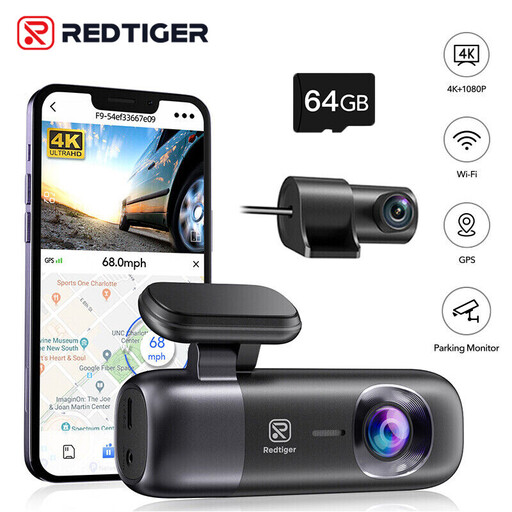
Why This Fits Their Persona: Ideal for those seeking a reliable, complete set without complexity. This kit offers the essential features for daily commutes and general use.
This REDTIGER dashcam delivers true 4K resolution at the front, avoiding the 'fake 4K' trap. The integrated WiFi makes transferring footage simple.
A complete set with a 4K front camera, 1080p rear camera, built-in GPS, and WiFi. It comes with a 32GB card, so it's ready to use out of the box.
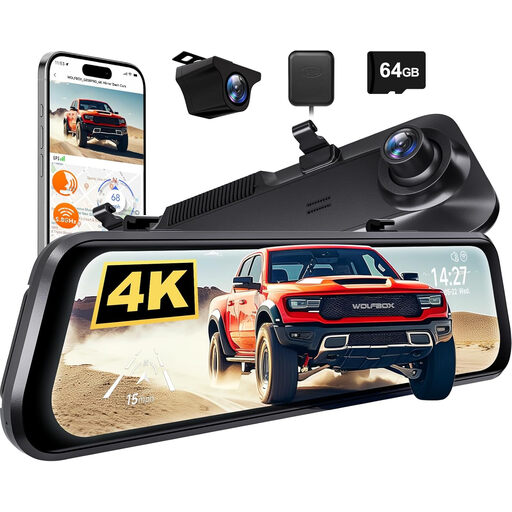
Why This Fits Their Persona: For drivers who want a powerful camera without an extra device on the windshield. This mirror dashcam replaces the existing rearview mirror for a sleek, integrated look.
The design solves the problem of a cluttered dashboard. The 4K resolution and large 12-inch screen ensure clear recordings and an excellent rear view, better than a traditional mirror.
Combines a 4K dashcam with a smart rearview mirror. It offers a wider, unobstructed view to the rear and advanced features like parking assistance.

Why This Fits Their Persona: Perfect for taxi and delivery drivers, or fleet managers who need complete coverage. This 3-channel dashcam films the road ahead, behind, and inside the cabin.
This model tackles the 'unusable night vision' pitfall head-on with a Sony STARVIS 2 sensor, which the manufacturer claims delivers excellent low-light performance. The three channels provide maximum coverage.
Three-channel recording (4K front, 2.5K interior, 1080p rear) for 360-degree surveillance. The advanced Sony sensor ensures superior night vision, crucial for professionals who work at night.
We have compiled a complete, up-to-date list of products that fully meet these strict selection criteria and local regulations.
Yes, owning and using a dashcam for private use is legal in the Netherlands. However, it is important to consider privacy laws (GDPR). You are not allowed to simply publish the footage online if it contains recognisable individuals or license plates. In other European countries, such as Austria and Portugal, their use is heavily restricted or even prohibited. Always check local laws before crossing the border with a dashcam.
The recording time heavily depends on the resolution and the number of cameras. A 4K front and rear dashcam consumes significantly more data than a single 1080p model. Expect about 10-15 GB per hour for a 4K dual-channel recording. With a 64GB card, you can therefore store approximately 4 to 6 hours of footage before the oldest files are automatically overwritten by the loop recording feature.
A reliable parking mode dashcam requires a hardwire kit connected to the car's fuse box. This ensures the camera receives power without draining the battery. Although the installation can be done yourself with some technical knowledge, we recommend having it done by a garage or specialist. Incorrect installation can lead to electrical problems or a dead battery.
