
Vandaag of morgen in huis

Kwaliteit gegarandeerd

Welkomstaanbiedingen ontgrendelen: GRATIS bezorging | Tot 80% korting | Gratis 30 dagen JoyPlus-proefperiode
Download de app
A 4K dash cam might seem like a straightforward purchase, but the market is flooded with models that over-promise and under-deliver. Many car owners invest in a car camera for peace of mind, only to end up with unusable footage or a device that fails after a few months. Before you make a choice, it's crucial to understand the real pitfalls.
Common problems can often be traced back to a few specific marketing gimmicks and design flaws:
To avoid a bad purchase, focus on a few verifiable specifications. These determine the reliability and image quality of your dash cam.
True 4K quality depends not just on the resolution, but primarily on the image sensor. Sensors like the Sony STARVIS series are designed for low-light situations. They deliver a clearer, more detailed image, which is essential for a night vision car camera. A good sensor combined with a high resolution ensures that details like license plates and road signs are legible, both day and night. So, look beyond the '4K' label and check which sensor is being used.
A dash cam continuously writes data, which places high demands on its storage.
For a complete picture of the situation, a front-facing camera alone is often not enough.
Based on these criteria, we have selected a few models that suit different user profiles.
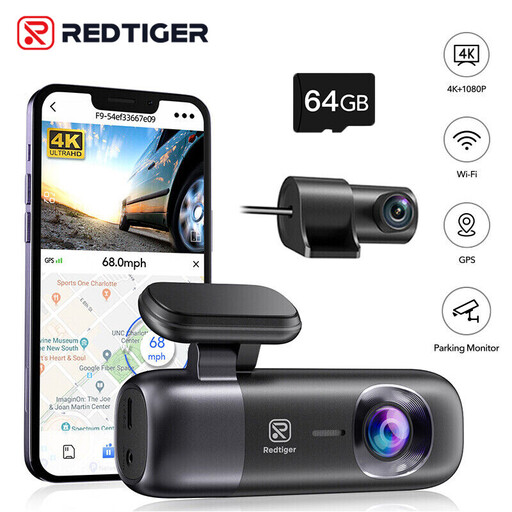
Why This Fits Their Persona: Ideal for those seeking a complete and reliable set without breaking the bank. This kit provides immediate front and rear protection, includes GPS and a memory card, so you can get started right away.
Delivers a complete dual dash cam solution with true 4K resolution on the front camera. The included 32GB card prevents initial compatibility issues.
Complete kit with front and rear cameras, built-in WiFi & GPS, and an included memory card. Excellent value for money.
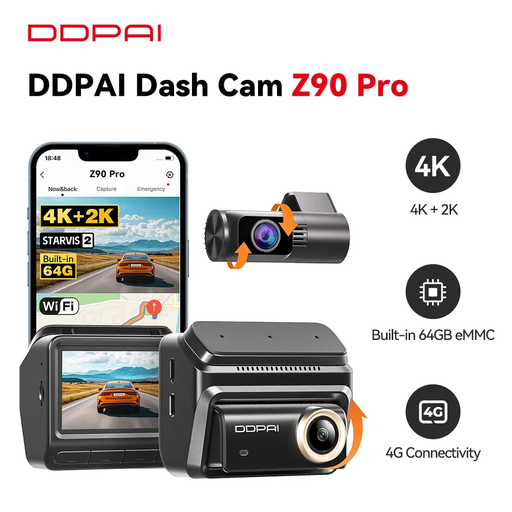
Why This Fits Their Persona: For the user who demands the highest image quality and maximum reliability. The combination of a top-tier sensor and dual storage makes this a very robust choice for those who want to leave nothing to chance.
It tackles the pitfalls of 'fake 4K' and data loss. The Sony STARVIS 2 IMX678 sensor delivers authentic 4K footage, while the D?save technology with 64GB of eMMC storage acts as a backup in case of an SD card failure.
Outstanding image quality thanks to the Sony STARVIS 2 sensor. The dual storage system (eMMC + SD card) provides extra assurance that important footage won't be lost.

Why This Fits Their Persona: Perfect for taxi drivers, delivery drivers, or anyone who needs a complete overview. This mirror dash cam offers three channels (front, rear, and interior) and a discreet design that doesn't obstruct the view.
It provides complete 3-channel coverage, leaving no blind spots. The Sony STARVIS 2 sensor ensures high image quality on the main (front) channel, while the mirror design is both functional and unobtrusive.
Three recording channels (front, rear, interior) for a complete overview. The rearview mirror design is discreet and doesn't replace existing equipment on the windshield.
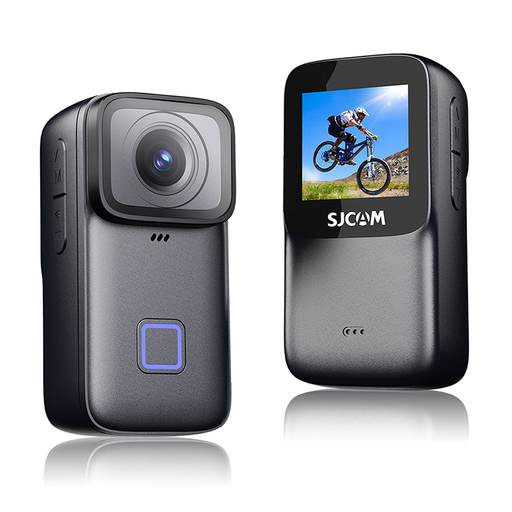
Why This Fits Their Persona: For those who want more than just a car camera. This compact action camera is waterproof and rugged for outdoor sports, but thanks to its 'car mode', it also functions as a full-fledged dash cam. Two devices in one.
This isn't a fragile dash cam that only works in the car. Its rugged, waterproof build and 6-axis stabilisation are made for action, while the 'car mode' with loop recording makes it just as practical for the daily commute.
Extremely versatile: functions as both a dash cam and a rugged, waterproof action camera. Compact size and advanced image stabilisation.
We have compiled a complete, up-to-date list of products that fully meet these strict selection criteria.
Yes, using a dash cam is legal in most regions. You are generally allowed to record for personal use, such as for evidence for an insurance claim after an accident. However, it's important to be aware of privacy laws (like GDPR). Do not publish footage where people or license plates are identifiable without their consent. Always check your local and state regulations.
4K recordings take up significantly more space than Full HD footage. One hour of 4K video can be between 10GB and 20GB, depending on the compression. For most users, a 64GB or 128GB card is recommended. All dash cams use 'loop recording', which means the oldest files are automatically overwritten when the card is full. Incidents detected by the G-sensor are locked and will not be overwritten.
A supercapacitor is much more resistant to the extreme temperatures that can occur inside a car. In the summer, the temperature behind the windshield can rise above 60°C (140°F), which is dangerous for a standard lithium-ion battery and can lead to overheating or even a fire hazard. A supercapacitor has a much longer lifespan and is more reliable in both extreme heat and freezing cold, which improves the overall safety and durability of the dash cam.
