
Vandaag of morgen in huis

Kwaliteit gegarandeerd

Welkomstaanbiedingen ontgrendelen: GRATIS bezorging | Tot 80% korting | Gratis 30 dagen JoyPlus-proefperiode
Download de app
Need to secure a vacation home, construction site, stable, or large property without a stable Wi-Fi connection? It's a common challenge many homeowners and business owners face. A standard camera simply isn't an option. Fortunately, a 4G outdoor security camera provides the perfect solution. These cameras operate on the cellular network, allowing you to monitor your property from anywhere, at any time, as long as there's mobile coverage.
This article will help you make the right choice. We'll cover the key factors to consider and highlight several popular models based on their specifications, ensuring you find a camera that fits your specific needs.
Before making a decision, it's important to consider a few practical matters. The specifications determine how well a camera will perform at your location.
A major advantage of a 4G camera is its installation flexibility, thanks in large part to its power options.
The core of this solution is security without Wi-Fi. The camera connects via a SIM card, just like a smartphone.
What exactly do you need to see? The image quality and the lens's range are crucial here.
Based on the criteria above, we've selected a few models that stand out for their specifications and features.
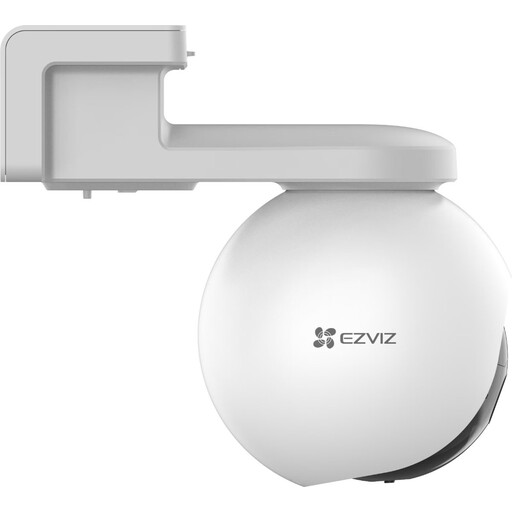
Why It Stands Out: The EZVIZ EB8 combines the flexibility of a 4G connection with a pan-tilt lens and a large-capacity battery. The built-in GPS function is a practical feature for locating the camera on large or remote properties.
Pros:
Who is this camera for? For users who want to actively monitor a large, open area—such as a yard, driveway, or construction site—and need the ability to control the camera remotely.
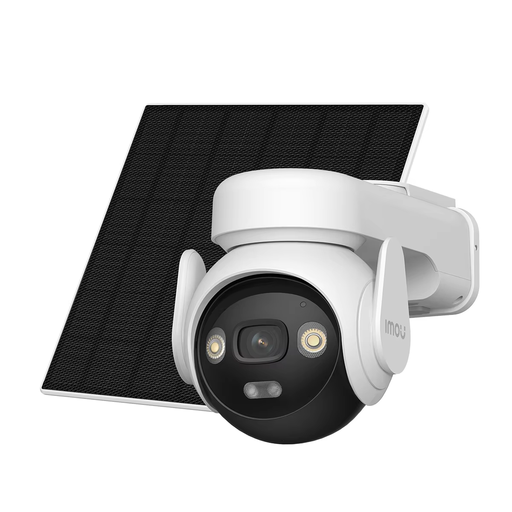
Why It Stands Out: This model from IMOU is an all-in-one solution featuring a very high 5MP resolution and an integrated solar panel. Its low-temperature charging technology makes it especially suitable for colder climates.
Pros:
Who is this camera for? For those seeking a low-maintenance solution with superior image quality, ideal for vacation homes or stables where you don't want to constantly check the battery.
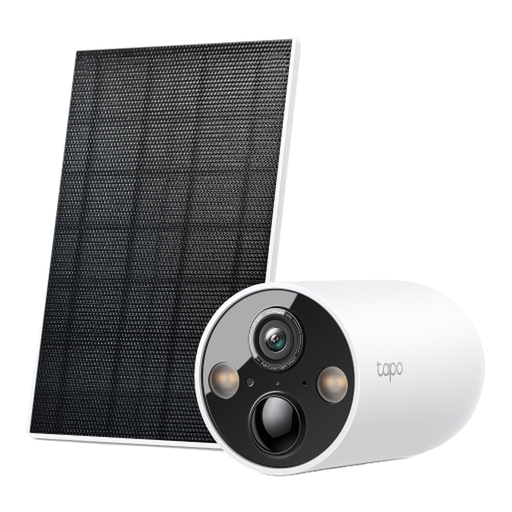
Why It Stands Out: The Tapo C425 kit focuses on excellent low-light performance. Its Starlight sensor provides clear, full-color images in the dark, whereas other cameras switch to black and white. The flexible solar panel installation is a clever addition.
Pros:
Who is this camera for? For users whose top priorities are night vision and low-light image quality, for instance, to secure an entrance or a dark corner of the property.
If one of these models isn't quite what you're looking for, no problem. Every situation is unique and sometimes requires a different approach. For a broader overview of solutions, you can browse our full range of battery-powered outdoor security cameras.
1. How much data does a 4G security camera use? Data consumption depends heavily on the image quality (resolution) and how often you stream live video or review recorded footage. For average use (a few alerts and short viewing sessions per day), a small data plan of a few GB per month is often sufficient. If you stream continuously in high resolution, consumption can increase quickly.
2. Can I use a 4G camera without a subscription? You will always need a SIM card with an active data plan from a mobile carrier to connect the camera to the internet. However, a paid cloud storage subscription from the manufacturer is often optional. Most cameras support local storage on a MicroSD card, allowing you to save footage without paying monthly fees to the manufacturer.
3. Is a 4G camera with a solar panel reliable during winter? Modern solar panels have become more efficient and can generate power even on overcast days. However, during dark winter months with limited sunlight, it's possible that the panel won't be able to fully recharge the battery. Many cameras include a power-saving mode to get through these periods. For critical locations, it's wise to monitor the battery status via the app during the winter months.
