
Vandaag of morgen in huis

Kwaliteit gegarandeerd

Welkomstaanbiedingen ontgrendelen: GRATIS bezorging | Tot 80% korting | Gratis 30 dagen JoyPlus-proefperiode
Download de app
A multi-day hiking trip is made or broken by the right gear. The wrong backpack can turn a beautiful adventure into a painful ordeal with sore shoulders and a chafed back. Especially with a 40L trekking backpack, a popular size for hut-to-hut treks or weekend trips, the right balance of comfort, weight, and storage is crucial.
Finding the right 40-litre backpack can be overwhelming due to the sheer number of options and technical specifications. This article is designed to help. We'll provide practical tips and highlight several popular choices, so you can make an informed decision for your next journey.
Before we dive into specific models, it's useful to know which features truly make a difference. Here are three key points to consider.
An ergonomic backpack isn't a luxury; it's a necessity. The weight must be distributed correctly across your body, with your hips carrying the majority of the load and your shoulders being relieved of strain. Pay attention to the following components:
Many brands offer specific models for women and men. A women's trekking backpack often has a shorter back panel, narrower shoulder straps, and a hip belt shaped for a female pelvis. A men's trekking backpack is typically designed for a longer torso and broader shoulders.
Every gram counts when you're on the trail for multiple days. A lightweight trekking backpack is a plus, but it shouldn't come at the expense of durability. Find a balance between abrasion-resistant fabric (like ripstop nylon or polyester) and a low base weight.
While few backpacks are 100% waterproof without a separate cover, a water-repellent coating is a major advantage. This protects your gear from a light shower. For serious rain, a separate rain cover or a fully waterproof trekking backpack (often a dry bag style) is a better consideration.
A good backpack for multi-day hikes helps you stay organised. A large main compartment is standard, but the extra features make all the difference:
Based on functionality and specifications, we have selected a few models that are worth considering.
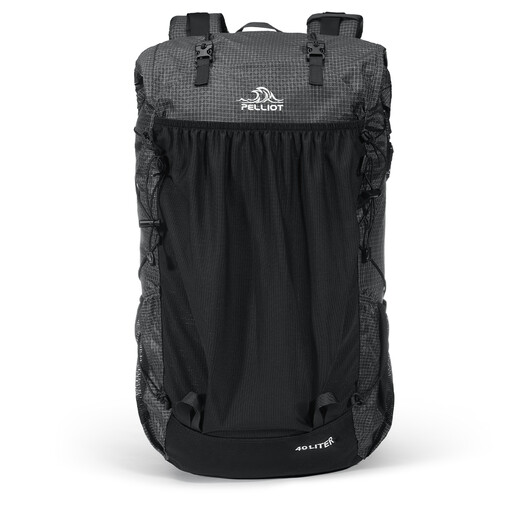
Why it stands out: This model is entirely focused on carrying comfort over long distances. According to the manufacturer PELLIOT, the backpack is designed with a built-in aluminium alloy frame that transfers weight to the hips. The dynamic shoulder straps adapt to your walking motion, which is said to reduce resistance.
View the PELLIOT Trekking Backpack 40L
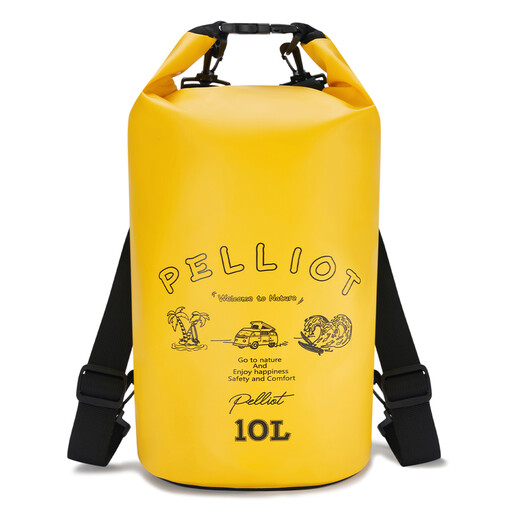
Why it stands out: This is not a traditional trekking backpack, but a versatile and compact option. The focus is on water resistance and flexibility. The highly water-repellent coating and roll-top closure protect your belongings from rain and splashes.
View the PELLIOT Waterproof Bag 10L
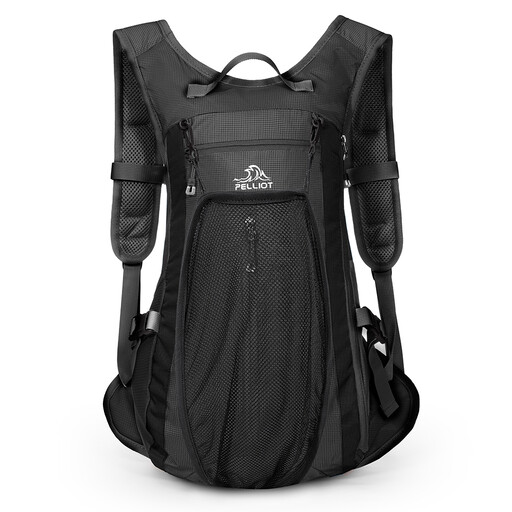
Why it stands out: This backpack is designed for speed and stability. The S.L.F. (Stable, Lightweight, Fast Access) design ensures the pack sits snugly against the body and doesn't bounce during intense activities.
View the PELLIOT Trail Running Backpack 20L
Is one of these models not quite what you're looking for? Perhaps you need a larger volume, a different style, or you simply want to compare more models. Discover more options in our extensive collection.
Place the heaviest items (like a tent or cooking gear) close to your back, roughly between your shoulder blades. Put lighter, bulky items like a sleeping bag at the bottom. Items you need frequently (rain jacket, snacks, map) should be stored in the top or side pockets for quick access.
Yes, for most 2- to 3-day hut-to-hut treks, a 40-litre backpack is an ideal size. You'll have enough space for clothes, toiletries, a sleeping bag liner, and some food, without the pack becoming unnecessarily large and heavy.
The main differences are in the fit. A women's trekking backpack typically has a shorter back panel, narrower and more inwardly placed shoulder straps to avoid pressure on the chest, and a hip belt shaped for a wider, tilted pelvis. A men's trekking backpack is designed for a longer torso and broader shoulders. A well-fitting backpack, regardless of its label, is always the right choice.
