
Vandaag of morgen in huis

Kwaliteit gegarandeerd

Welkomstaanbiedingen ontgrendelen: GRATIS bezorging | Tot 80% korting | Gratis 30 dagen JoyPlus-proefperiode
Download de app
Choosing the right 3D printer filament can be overwhelming. The market offers a huge variety of materials, colours, and properties. Are you looking for something that's easy to print, or do you need a material that is strong and heat-resistant? The wrong filament can lead to failed prints and frustration.
This article is intended as a practical guide. As a Joybuy Product Recommendation Officer, I'll help you understand the options and make an informed decision. We will discuss the most important filament types, provide concrete purchasing tips, and highlight several popular choices, so you can find the material that fits your project and FDM 3D printer.
Before you add a 1kg filament spool to your shopping cart, it's wise to consider a few things. These tips will help you prevent a bad purchase.
The two most commonly used materials for FDM printers are PLA and PETG. The choice depends on what you want to print.
Most consumer FDM 3D printers use 1.75mm filament. Always check your printer's specifications before making a purchase. The wrong diameter will inevitably lead to clogs and printing problems. All recommendations in this article are based on the standard 1.75mm diameter.
Technology never stands still. Today, filament is available with unique properties:
Based on product specifications and popular features, we have made a selection of filaments that are interesting for different users.
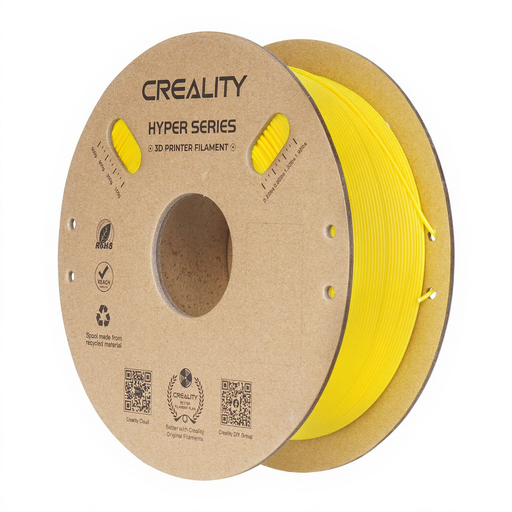
Why it stands out: This Creality filament is designed for speed. According to the manufacturer, it supports printing speeds of up to 600 mm/s, which results in significant time savings for users with a high-speed 3D printer.
Advantages:
Who is it for? For users who value efficiency and have a printer that can handle high speeds. It's an excellent choice for rapidly producing prototypes or large objects.

Why it stands out: This PETG filament from CaiLab positions itself as a versatile material that combines the strength of ABS with the ease of printing of PLA. It is aimed at creating functional and durable parts.
Advantages:
Who is it for? For makers who print functional parts that need to be durable. Think of brackets, electronics enclosures, or tools that are used regularly.

Why it stands out: This matte filament from CaiLab is developed for a sophisticated, non-glossy finish. The matte texture helps to conceal layer lines, resulting in a sleek and professional-looking final product.
Advantages:
Who is it for? For hobbyists, designers, and artists who value aesthetics. Perfect for printing decorative objects, architectural models, or figurines where the finish is crucial.
The world of 3D printing is colourful. If yellow isn't your colour, or if you're looking for other material properties, there's much more to discover.
? View all our yellow 3D filament for more options in this colour.
The biggest difference lies in their properties. PLA is easier to print and ideal for visual models, but it is more brittle and less heat-resistant. PETG is stronger, more flexible, and more resistant to heat and chemicals, making it more suitable for functional parts. The choice really depends on the application of your print.
Filament, especially PLA and PETG, is hygroscopic, meaning it absorbs moisture from the air. Damp filament leads to poor print quality (hissing, bubbling, brittle prints). Therefore, always store your 1kg filament spool in a sealed bag or container, preferably with a packet of silica gel to keep it dry.
