
Vandaag of morgen in huis

Kwaliteit gegarandeerd

Welkomstaanbiedingen ontgrendelen: GRATIS bezorging | Tot 80% korting | Gratis 30 dagen JoyPlus-proefperiode
Download de app
By the Joybuy Product Recommendation Officer, July 16, 2026
You've waited hours, maybe even days, for your 3D printer to finish its job. The model is complete, but as you remove it from the print bed, you see them: those unavoidable layer lines, minor imperfections, and a finish that just doesn't look professional. Sound familiar? For many 3D printing enthusiasts, the printing itself is only half the battle. The real magic happens during 3D print post-processing.
In this article, we'll explore practical steps and tools to elevate your prints from 'homemade' to 'stunning'. We'll focus on preparing your material and the final finishing touches, ensuring your creations get the attention they deserve.
Before you reach for sandpaper and paint, it's wise to take a step back. A great finish begins even before you start printing. Here are a few key points to consider.
Moist filament is a common cause of poor print quality. When filament absorbs moisture from the air, it can lead to hissing, crackling, and bubbles in your extrusion during printing. The result? A rough surface, weak prints, and a lot of 'stringing' (thin plastic threads between parts).
Decorative materials like silk PLA filament are particularly susceptible to this. The solution is simple: dry your PLA filament before use. A dedicated filament dryer box heats the spool at a controlled temperature, causing the moisture to evaporate. This ensures a much smoother and stronger print, which significantly reduces the need for post-processing.
When it comes to 3D print finishing, good tools are essential. Manual sanding is an option, but it's time-consuming and difficult to achieve an even result, especially with complex models.
A multi-tool for 3D prints is a game-changer here. With various attachments, you can not only sand but also engrave, cut, drill, and polish. This all-in-one tool is ideal for removing supports, smoothing surfaces, and preparing your model for a potential coat of paint. It's a 3D printer tool that will significantly speed up your workflow.
Sometimes the smartest post-processing is... no post-processing. By choosing a filament with a unique aesthetic, such as silk PLA filament or rainbow filament, you can achieve a beautiful end result straight off the printer. Silk PLA has a unique sheen that masks layer lines and provides a luxurious look. Rainbow filament gradually changes colour, making even simple models instantly interesting. Keep in mind, however, that these filaments are often primarily for decorative purposes.
Based on product specifications and functionality, we have selected a few tools that can help you perfect your 3D prints.
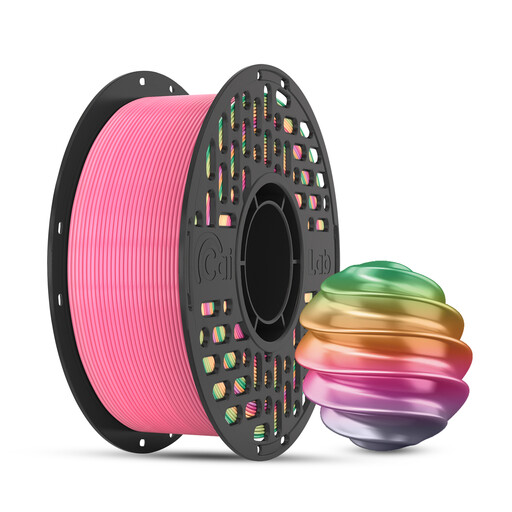
Why It Stands Out: This filament combines the popular properties of silk PLA with a gradual colour gradient. It's designed to give prints a glossy, candy-like finish that effectively hides layer lines. The colour transition ensures that every object is unique, without needing to swap spools.
Pros
Who It's For: This is for hobbyists focusing on decorative objects, vases, figurines, and other visual projects. It is less suitable for functional parts that need to withstand mechanical stress, as the manufacturer states that layer adhesion is lower than with standard PLA.
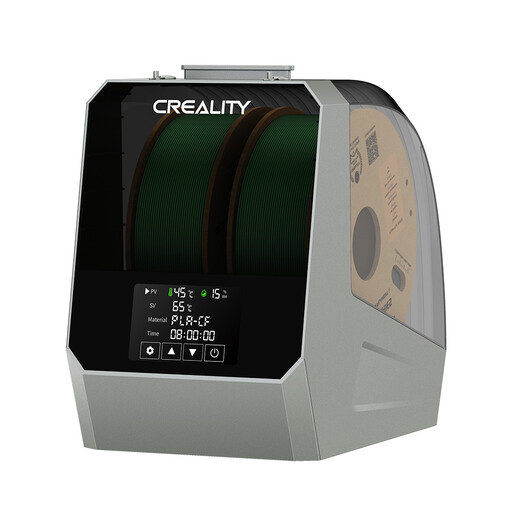
Why It Stands Out: This filament dryer box from Creality is designed to tackle the problem of moist filament at its source. The device accommodates two spools and uses 360° hot-air circulation for fast, even drying. The LCD screen allows you to easily set the temperature (45–70°C) and time (0–48 hours) for different filament types.
Pros
Who It's For: This is for the serious 3D printer owner who wants consistent, high-quality results. It's a practical investment if you frequently work with moisture-sensitive materials like silk PLA, PETG, or TPU and want to prevent issues like stringing and brittle prints.
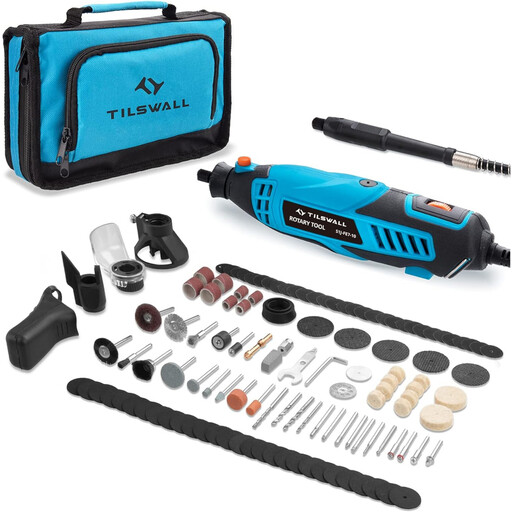
Why It Stands Out: This multi-tool is a complete solution for sanding and polishing 3D prints. With a 160W motor and 6 adjustable speeds (8,000–33,000 RPM), you have the control to tackle various materials and tasks. The set comes with 145 accessories, allowing you to get started immediately with cutting, engraving, sanding and polishing.
Pros
Who It's For: It's ideal for the maker who wants to speed up and professionalise their post-processing workflow. It's an excellent 3D printer tool for anyone who regularly needs to finish prints. It also makes a practical gift for a 3D printer owner who seems to have everything.
These products are a great starting point, but every maker has different needs. Are you looking for specific tools, other types of filament or spare parts? Be sure to check out our full assortment.
? Discover more in our 3D Printing Accessories category
Sanding is the most common method, but there are alternatives. For ABS prints, 'vapor smoothing' with acetone is sometimes used, but this requires strict safety precautions. A simpler approach is to use a silk PLA filament, which naturally has a glossier and smoother surface. Another option is to apply a coat of epoxy resin or a special 'filler primer' that fills in small imperfections, after which you can paint the object.
Although PLA is less moisture-sensitive than materials like PETG or nylon, it does absorb moisture over time, especially in humid climates. If you notice your prints are brittle, exhibit a lot of 'stringing', or have a rough surface, there's a good chance your filament is damp. A filament dryer box isn't an absolute must for the occasional printer, but for those striving for consistent, high quality, it's a very valuable addition.
