
Vandaag of morgen in huis

Kwaliteit gegarandeerd

Welkomstaanbiedingen ontgrendelen: GRATIS bezorging | Tot 80% korting | Gratis 30 dagen JoyPlus-proefperiode
Download de app
As a parent or parent-to-be, you want one thing: to transport your child safely and comfortably. However, the search for the perfect car seat can feel like navigating a maze. The market is flooded with terms like i-Size, ISOFIX, and 360° rotation. The promise of an all-in-one car seat that lasts from birth to 12 years sounds particularly appealing. But how do you avoid a costly mistake?
Many parents fall into a few common pitfalls. First, the "one-size-fits-all" myth. A seat that claims to be suitable for a 40 cm baby and a 150 cm child must be incredibly versatile. In practice, this can mean the seat doesn't offer optimal comfort for either age group. Second, focusing on a single convenient feature, like the 360° swivel function. A rotating car seat is fantastic for your back, but if the mechanism is stiff or the installation is complicated, daily use becomes a source of frustration.
This guide will help you cut through the marketing jargon. We focus on the specifications that truly matter, so you can make an informed decision that fits your family and budget.
Before choosing a model, it's crucial to understand three fundamental features. These determine the safety, ease of use, and longevity of your car seat.
You'll see the term i-Size or ECE R129 everywhere, but what does it entail? This is the latest and most stringent European safety standard for car seats. An ECE R129 car seat offers several concrete advantages:
A car seat with ISOFIX is the standard today. ISOFIX is an internationally standardised system that attaches the car seat directly to the car's chassis. This minimises the chance of incorrect installation, a common risk with seats secured by the car's seatbelt.
Most i-Size seats use ISOFIX in combination with a support leg at the front or a Top Tether (an additional strap) at the back. This ensures a rock-solid installation and prevents the seat from tilting during a collision.
An all-in-one car seat that you can use as a car seat from birth up to the age of 12 is a smart investment. However, pay close attention to how the seat adapts. A good design has:
car seat with a recline feature is indispensable for comfortable naps on the go.Based on these criteria, we've highlighted a few popular choices. We've matched them to different user types so you can see which model best suits your situation.
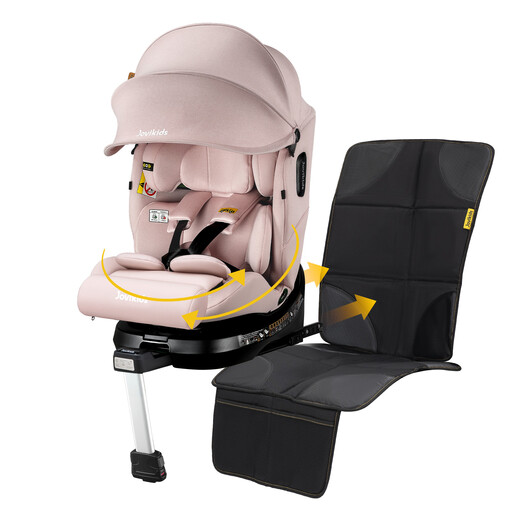
Why This Fits Their Persona: This parent wants to make one solid purchase that will last the full 12 years. The Jovikids car seat is designed for children from 40 to 150 cm, so you won't have to shop for a new model in a few years.
It bypasses the "one-size-fits-all" pitfall with a removable neck and infant insert and a headrest that adjusts in 12 steps. This allows the seat to genuinely adapt to your child's growth.
Fully featured: i-Size (ECE R129), 360° rotation, ISOFIX with support leg, and a very long lifespan (0-12 years). The detachable sun canopy is a practical bonus.
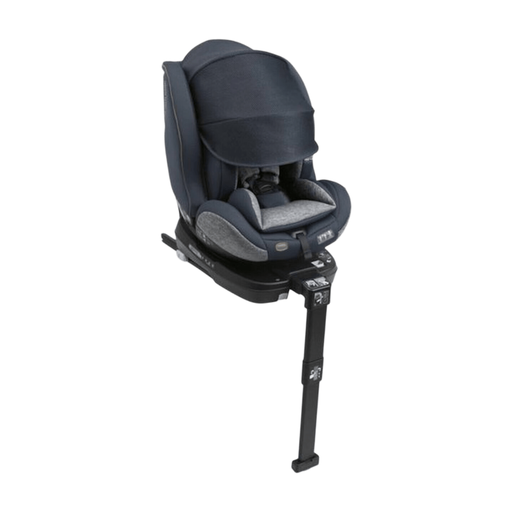
Why This Fits Their Persona: For this parent, the child's comfort is the highest priority, especially during long drives or on hot days. The focus is on materials and ergonomics.
This model tackles the comfort pitfall with special "AIR" fabric and an integrated air circulation system. According to Chicco, the 3D mesh on the backrest provides 6 times more air circulation than standard fabric.
Superior comfort through ventilation and 6 adjustable recline positions. The 360° rotation function makes daily use effortless. Suitable from birth to approximately 7 years (40-125 cm).
We have compiled a complete, up-to-date list of products that fully meet these strict selection criteria and safety regulations.
For most parents, yes. The convenience of being able to turn your child towards you to get them in and out of the seat is a major advantage. It saves your back and makes buckling the harness much easier, especially if your child struggles. For seats used from birth, it's also handy for quickly switching between rear-facing and forward-facing (when permitted).
The i-Size (ECE R129) standard mandates that children must be transported rear-facing until at least 15 months of age. However, many safety organisations recommend doing this for as long as possible, ideally until your child is 4 years old or has reached the seat's limit for rear-facing travel. Young children's neck muscles are not yet fully developed, and rear-facing travel offers the best protection in a frontal collision.
Check the fit regularly. Remove the infant inserts at the time recommended by the manufacturer. Adjust the height of the headrest and shoulder straps as soon as you notice they are too low (the straps should emerge from the seat at or just above the shoulders). Also, ensure there is sufficient legroom. A good all-in-one seat offers adjustment options that go beyond just removing an insert.
