
Vandaag of morgen in huis

Kwaliteit gegarandeerd

Welkomstaanbiedingen ontgrendelen: GRATIS bezorging | Tot 80% korting | Gratis 30 dagen JoyPlus-proefperiode
Download de app
Finding a good 3-person tent can be a challenge. You need something spacious enough for you and your companions, but also resilient enough to withstand an unexpected downpour. On top of that, you don't want to waste precious time on a complicated setup.
As a Joybuy Product Recommendation Officer, I'm here to guide you. In this article, we'll provide practical tips for buying a tent and highlight several popular choices based on their specifications. This will help you make an informed decision that suits your camping plans, whether you're heading to a festival, planning a weekend getaway, or setting up at a campsite.
Before you make a choice, it's helpful to understand a few key features. These specifications largely determine how comfortable and practical your tent will be.
A tent's waterproof rating is expressed as a water column in millimetres (mm). This number indicates how much water pressure the fabric can withstand before it starts to leak.
festival tent or camping in stable weather.Pay attention to the specifications for both the flysheet and the groundsheet. A fully waterproof groundsheet prevents ground moisture from making your sleeping bag damp.
A 3-person tent doesn't always mean there's comfortable room for three adults plus luggage. The sleeping cabin is often a snug fit. A tent with a vestibule is the perfect solution. This extra covered area is ideal for storing bags, shoes, and cooking gear. It also provides a sheltered space to sit during bad weather.
The most common types are the dome tent and the tunnel tent.
The setup time indicated by a manufacturer is often an estimate. It's usually faster and easier with two people.
Below is a selection of tents that stand out for their specifications and functionality. We've looked at models for various situations.
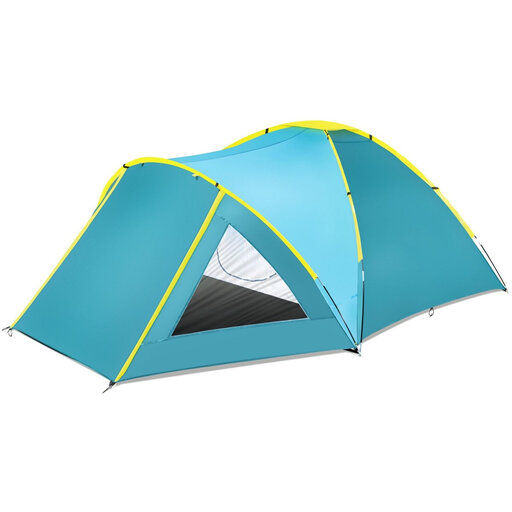
Why it stands out This dome tent from Bestway combines ease of use with practical extras. The separate vestibule with its own groundsheet and windows provides a comfortable, dry place for your gear, which is a major plus for a tent in this category.
Advantages
Who is it for? Ideal for couples or small groups of friends looking for a reliable and comfortable camping tent for weekend getaways or festivals, who also value extra storage space.
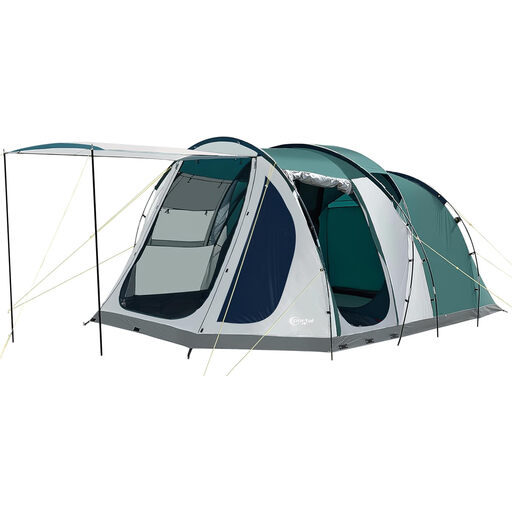
Why it stands out Although this is a 5-person model, it's an interesting option for those seeking a 3-person tent with maximum living space. The separate living and sleeping areas and the 200 cm standing height offer a level of comfort comparable to a small cabin.
Advantages
Who is it for? Perfect for small families or car campers who prioritise comfort and space over low weight. An excellent choice for longer holidays at the campsite.
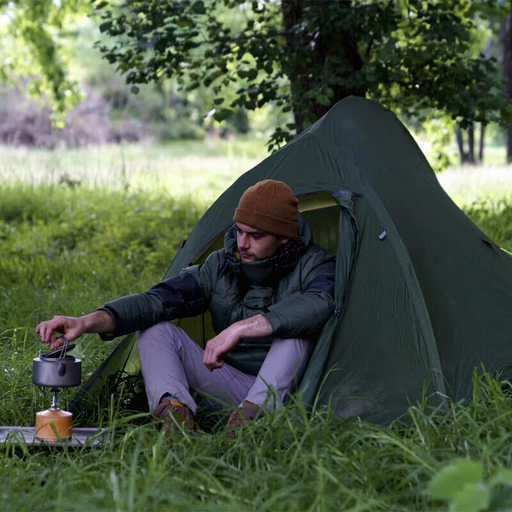
Why it stands out Sometimes, less is more. Although you were looking for a 3-person tent, this 1-person model from NatureHike is worth considering if weight and pack size are your main priorities. Its ultralight design makes it a specialist for trekking.
Advantages
Who is it for? The solo adventurer, backpacker, or bikepacker for whom every gram counts. If you often travel alone or with a partner (with each person carrying their own tent), this is a highly specialised and efficient choice.
The perfect tent depends entirely on your personal needs. Are you looking for a different size, a specific type, or a model for extreme weather conditions? There are many more options available.
Explore our full range of shelter tents for more options.
For unpredictable climates, a water column of 3000 mm is a safe choice. This ensures you stay dry even during a heavy, prolonged downpour. For summer conditions or festivals, 2000 mm may suffice, but a higher rating provides more peace of mind.
A 3-person sleeping cabin typically offers just enough space for three sleeping mats side-by-side. For two people with luggage, this is comfortable. With three people, it gets tight, and a tent with a separate vestibule is highly recommended for storing gear.
Most modern 3-person dome tents are designed to be set up by one person, although it's often faster with two. Always read the manufacturer's instructions. Tunnel tents are generally more difficult to pitch alone, as they need to be tensioned to stand upright.
