
Vandaag of morgen in huis

Kwaliteit gegarandeerd

Welkomstaanbiedingen ontgrendelen: GRATIS bezorging | Tot 80% korting | Gratis 30 dagen JoyPlus-proefperiode
Download de app
A 3-in-1 waterproof outdoor jacket can be a practical choice for the British weather: wear just the outer layer on a wet autumn day, just the fleece lining when it’s dry and chilly, or both layers when rain and cold arrive together. However, not every jacket with this label is equally well suited to walking, camping or commuting.
So the right choice isn’t about picking a striking colour or trusting a promise that it’s “suitable for all conditions”. Start by checking the specifications, fit and care instructions.
A jacket may repel light rain for a while, but prolonged rainfall can still seep through the seams, zips and shoulders. Check whether the product information mentions a hydrostatic head rating, membrane or taped seams. A high rating doesn’t tell the whole story, either: seam construction and the condition of the coating still matter.
A breathable rain jacket moves moisture from inside the jacket to the outside, but how well it works also depends on the temperature, your activity level, base layers and ventilation zips. A jacket without a clear breathability rating may feel clammy during a brisk walk, even if its outer fabric keeps rain out.
With a 3-in-1 system, the outer jacket and lining should feel comfortable when worn together. Check that you have enough room to move your shoulders, that the sleeves are long enough and that the attachment points stay secure. If the layers are too tight together, it may be uncomfortable to wear the jacket with a jumper or an extra base layer.
The hydrostatic head rating is expressed in millimetres of water pressure. According to the product information for some PELLIOT models, the outer fabric has a hydrostatic head rating of 35,900 mm H₂O according to JIS. This is a technical specification provided by the manufacturer, not a guarantee that the jacket will keep you dry in every situation. Check whether the seams are taped and the zips are adequately protected, too.
For everyday cycling or walking in the UK, a well-fitting hood, adjustable cuffs and a covered zip can be just as important as a high rating.
Breathability is often shown as MVTR, for example, 16,000 g/(m²·24 hours). According to PELLIOT product information, this means the fabric can allow water vapour to escape. In practice, the result still depends on your activity and the temperature difference between the inside and outside of the jacket.
If you’re looking for a jacket for trekking and walking, it’s worth checking for:
A fleece-lined jacket isn’t the same as a technical winter jacket with insulated filling. Fleece feels soft and can help retain warmth, but warmth also depends on the thickness, wind resistance and fit. A 3-in-1 jacket offers flexibility, above all, because you can wear the layers separately.
According to the product information, the PELLIOT models mentioned have a removable thermal lining with an anti-static treatment. The manufacturer recommends different ways to wear them, but the temperature ranges given are brand claims. Use them as a guide, and dress according to the wind, your activity and how sensitive you are to the cold.
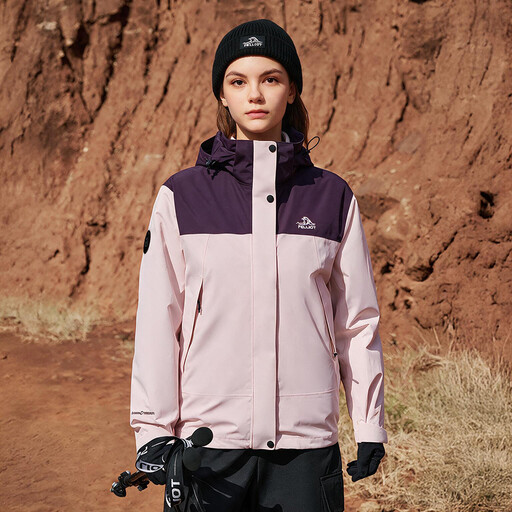
Why it suits this shopper: The outer layer and removable lining make this a practical choice for camping, travel and everyday wear, without having to buy several separate jackets straight away.
The product information describes three ways to wear the jacket and a microporous waterproof membrane with taped seams. Before buying, be sure to check the size and the latest product specifications.
Removable lining, adjustable layers and a size range from S to XXXL according to the size chart provided.
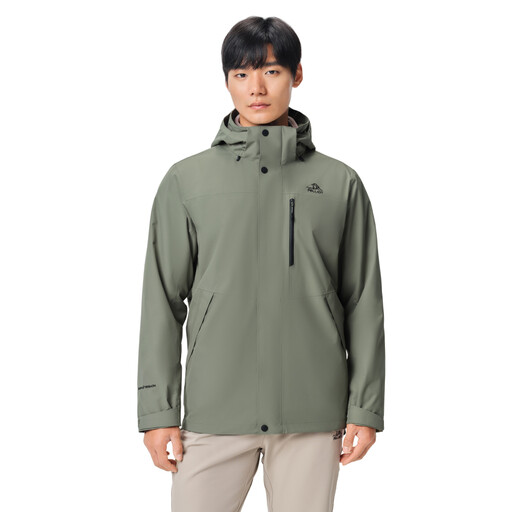
Why it suits this shopper: This style is designed for people looking for a jacket for changeable weather, longer walks and outdoor activities where durability matters.
According to PELLIOT product information, the jacket has a hydrostatic head rating of 35,900 mm H₂O, an MVTR of 16,000 g/(m²·24 hours) and abrasion resistance of more than 40,000 rub cycles.
Removable thermal lining, adjustable hood, hem and cuffs, plus a stated technical membrane rating.
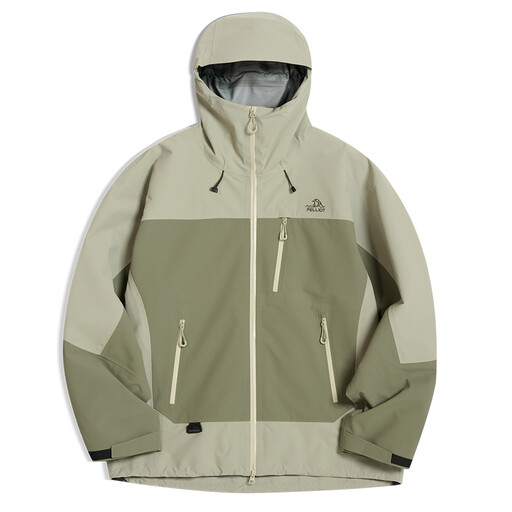
Why it suits this shopper: A hardshell jacket without a fleece lining is a good choice for trekking, cycling and activities where you want to manage your own base and mid layers.
The product description mentions a waterproof, breathable and hard-wearing outer layer. It doesn’t have a removable fleece lining, so you can choose your own layers to stay warm.
Unisex fit, windproof outer layer and a design that, according to the product information, is suitable for commuting and mountain treks.
We’ve put together a complete, up-to-date list of products that meet these strict selection criteria and the current European safety requirements.
Always use the size chart for the specific model. Measure your chest, shoulder width and sleeve length, and allow room for an extra layer. The outer jackets and inner linings come in different sizes in the PELLIOT 3-in-1 models, so don’t rely on your usual clothing size alone.
Also check for:
Wash a waterproof walking jacket according to the care label. The PELLIOT models mentioned recommend a cold wash on a delicate cycle, no bleach, no tumble drying, and fastening the zips before washing. Don’t use fabric softener unless the manufacturer says it’s suitable, as it can affect the performance of technical fabrics.
Your jacket will last longer if you let mud dry before brushing it off, avoid storing it damp for long periods and reproof the outer fabric when water no longer beads on the surface. Wear around the shoulders, cuffs and seams is a sign that it’s time to check the jacket.
It depends on the thickness of the lining, how windproof the jacket is and how active you are. A jacket with combined layers can keep you warm, but you may need extra clothing if you’re standing still in cold conditions. Check the product information and treat brands’ temperature ranges as a guide, not a guarantee.
A hardshell jacket is usually a technical outer layer without a built-in warm lining. A 3-in-1 model combines an outer layer with a removable fleece or thermal lining. Hardshells are useful when you want to choose your own layers; 3-in-1 jackets are practical when you want to switch easily between rain protection and warmth.
Wash your jacket when dirt, sweat or odours build up, but not after every short walk. Follow the care label and check after washing that the water-repellent finish is still working properly. Regular, gentle care is usually better than washing too harshly or treating the jacket when it isn’t needed.
