
Vandaag of morgen in huis

Kwaliteit gegarandeerd

Welkomstaanbiedingen ontgrendelen: GRATIS bezorging | Tot 80% korting | Gratis 30 dagen JoyPlus-proefperiode
Download de app
A 3-in-1 waterproof outdoor jacket looks like a smart purchase on paper: one outer layer to protect against rain and wind, a warm fleece lining, and the option to wear both together. Yet some buyers are disappointed by the wrong size, insufficient ventilation or a jacket that proves less versatile in practice than the product description suggests.
If you are looking for a jacket for walking, camping, commuting or trekking in the Netherlands, it is worth looking beyond terms such as “all-weather” and “stormproof”. Below are the key points to check, along with several product options based on verifiable specifications.
A hydrostatic head rating, such as 35,900 mm H₂O, indicates how much water pressure the fabric can withstand according to a particular test. This is useful information, but it does not automatically show how the jacket will perform in prolonged rain, after wear and tear, or with poorly sealed zips.
So also check:
According to the product information for the PELLIOT models, some seams feature high-density seam taping. Other models state a hydrostatic head rating according to JIS. This information comes from the product description and should not be interpreted as a guarantee of complete protection in every weather condition.
A breathable outdoor jacket allows water vapour to escape from the inside to the outside. This is often expressed as MVTR, for example 16,000 g/m²/24 hours. Your actual experience also depends on exertion, humidity, clothing layers and ventilation openings.
For gentle cycling or everyday use, a fleece-lined jacket can be comfortable. During strenuous climbs or brisk walks, a separate underarm ventilation zip may be more important than a high MVTR rating alone.
A 3-in-1 jacket needs to leave room for the inner layer and, if necessary, an additional base layer. If you choose a jacket that is too tight, it will restrict your freedom of movement. If you choose one that is too loose, wind may get in around the hem or cuffs.
So do not just measure your chest. Also compare:
The PELLIOT size charts provide separate measurements for the outer and inner jackets. Use the recommended height and weight as a starting point, but always check the exact product page before ordering.
For a walking or trekking jacket, the hydrostatic head rating is a useful point of comparison. A jacket with a higher rating can withstand greater water pressure according to the relevant test method. Also look at the seam construction, pocket closures, and whether the hood and hem can be adjusted.
For everyday use in Dutch rain showers, a well-sealing hood is often more practical than an extremely high technical rating with no clear information about the seams.
An MVTR rating indicates how much water vapour the fabric can allow through under test conditions. A rating of 16,000 g/m²/24 hours is stated in the PELLIOT product information for various models. According to the product description, this is intended to help remove perspiration during physical activity.
Treat this as one point of comparison, not a guaranteed result in actual use. For long walks, ventilation zips, a fleece lining that is not too thick and an effective layering system are at least as relevant.
Anyone using a jacket for camping or trekking will encounter rucksack straps, branches and rough ground. According to the product information, the PELLIOT outer layers are described as abrasion-resistant, with certain versions rated for more than 40,000 abrasion cycles. This is a verifiable product specification, but it does not predict the lifespan under every type of use.
Follow the care instructions carefully:
Proper care helps keep the performance of a durable waterproof jacket usable for longer.
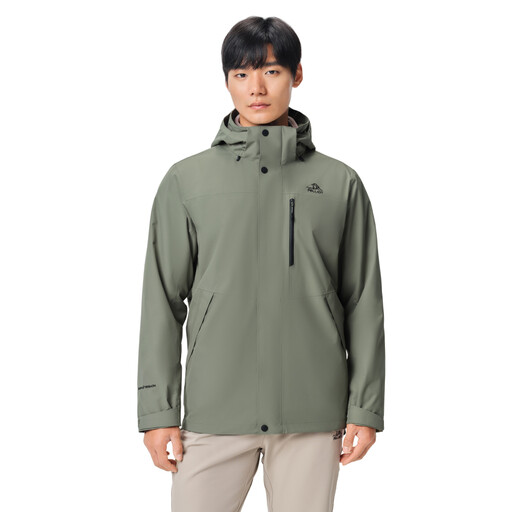
Why it suits this profile: This men's outdoor jacket combines an outer layer with a fleece lining, so you do not need to take several separate jackets with you for changeable weather.
The product information lists three ways to wear it: outer jacket, lining or both layers together. However, check the size chart to ensure there is enough room when combining them.
According to the product description: a hydrostatic head rating of 35,900 mm H₂O, an MVTR of 16,000 g/m²/24 hours and stated abrasion resistance of more than 40,000 abrasion cycles.
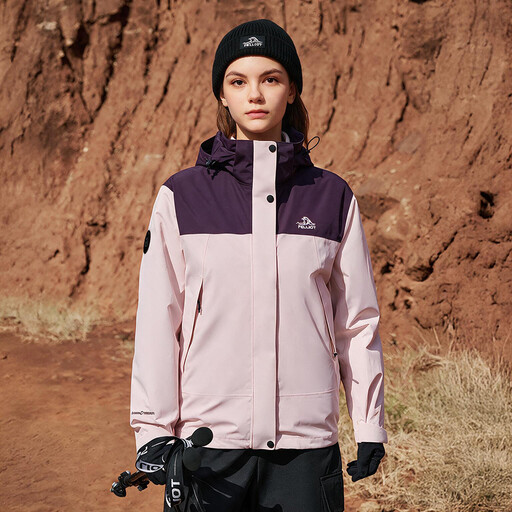
Why it suits this profile: This women's outdoor jacket is aimed at users who value technical details such as a breathable membrane, an adjustable fit and multiple wearing options.
The description mentions a STORMS BREATH membrane and taped seams. This makes the construction easier to assess than a general claim such as “waterproof”.
According to PELLIOT's own information, the outer layer and lining can be worn separately; the lining is described as thermal and anti-static.
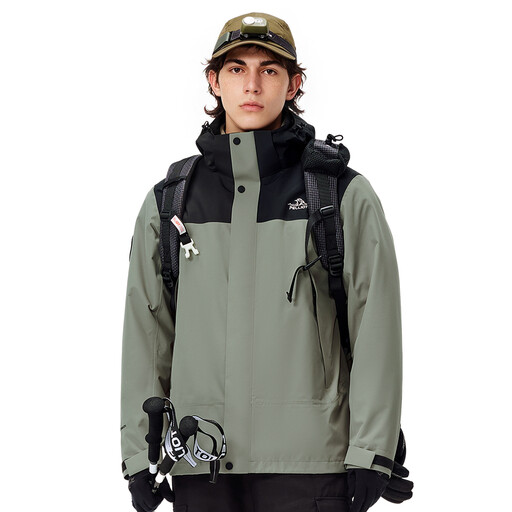
Why it suits this profile: The combination of a windproof jacket, thermal lining and abrasion-resistant outer fabric is well suited to camping, trekking and use with a rucksack.
The product details mention a scratch-resistant outer layer and an adjustable fit. This can help limit wear points and draughts, without relying solely on marketing language.
The manufacturer states wearing temperatures of approximately 10–25 °C for the outer layer, 0–10 °C for the lining and -5 to -15 °C for both layers. Treat this as product information, not a guarantee of personal comfort.
We have put together a complete, up-to-date list of products that fully meet these strict selection criteria and the applicable European safety regulations.
That depends on the lining, fit and activity. A fleece-lined jacket can add warmth, while the outer layer helps keep out rain and wind. If you are standing still for long periods or in very low temperatures, additional thermal clothing may be needed. Also check the temperature information for the specific model.
Wash the jacket according to the care label, fasten all the zips and avoid bleach and tumble drying where these are not recommended. Do not use fabric softener unless the manufacturer permits it. Over time, check that the water-repellent finish is still working and follow the brand's care instructions.
That depends on how you use it. One system gives you several wearing options, which can be practical for travelling, cycling and walking. On the other hand, a 3-in-1 jacket is often heavier and bulkier than a lightweight waterproof jacket. So do not compare the purchase price alone; also consider the fit, care requirements and the conditions in which you will actually wear the jacket.
