
Vandaag of morgen in huis

Kwaliteit gegarandeerd

Welkomstaanbiedingen ontgrendelen: GRATIS bezorging | Tot 80% korting | Gratis 30 dagen JoyPlus-proefperiode
Download de app
A 3-in-1 waterproof outdoor jacket may look suitable for every season on paper. Yet many people buy a jacket that feels too warm when they’re active, offers insufficient protection in heavy rain or quickly becomes uncomfortable because of a poor fit. Small differences in materials and construction matter, especially when choosing a waterproof walking jacket or trekking jacket.
When comparing jackets, look out for these three common pitfalls:
Waterproofing is often shown as a hydrostatic head rating, for example in millimetres of H₂O. According to the product descriptions for PELLIOT models, this rating is 35.900 mm H₂O according to JIS. This is a technical test result showing the pressure the material can withstand.
It doesn’t automatically mean you’ll stay completely dry in every situation. Also check:
The PELLIOT colour-block version specifies a microporous STORMS BREATH membrane and high-density seam sealing. These are product features you can check. The level of protection you get also depends on use, wear and care.
A waterproof jacket can feel hot and clammy if moisture from inside can’t escape properly. That’s why the MVTR rating also matters for walking, commuting and trekking. MVTR stands for Moisture Vapour Transmission Rate and is measured in grams per square metre per 24 hours.
According to the product descriptions for several PELLIOT models, breathability is rated at 16.000 g/m²/24 hours according to JIS. Treat this as a technical indication, not a guarantee that you’ll stay dry during every activity. Temperature, pace, base layers and ventilation options also make a difference.
A good combination for changeable Dutch weather is:
When camping or walking in mountainous terrain, a jacket is more likely to rub against rucksack straps, branches and rocks. The PELLIOT jacket descriptions specify more than 40.000 abrasion cycles and a tear-resistant outer fabric. According to PELLIOT’s own product information, the lining features thermal-lock technology and an antistatic treatment.
Check the practical fit before you buy, too. The women’s models are available from S to XXXL according to the size chart, as are the men’s models. Don’t choose based on height and weight alone; compare chest, shoulder and sleeve measurements as well. If you want to wear the jacket as a warm winter coat with several layers underneath, allow extra room for movement.
A 3-in-1 jacket consists of an outer layer and a removable inner layer. You can usually wear the components in three ways:
This makes the jacket suitable for all four seasons, but temperature guidance in product descriptions is just that: a guide. Activity, wind and personal preference all make a difference. For example, the combined jacket may feel too warm on a strenuous walk, but just right when you’re sitting still at a campsite.
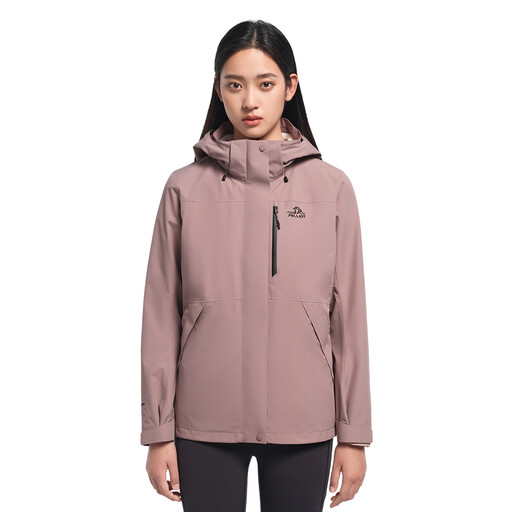
Why it suits this profile: The three ways to wear this jacket make it a practical choice for walking, travelling and everyday cycling, without needing to take a separate rain jacket and fleece.
The product description gives a hydrostatic head rating, breathability rating and adjustable hood, rather than making only a general claim about rain protection.
35.900 mm H₂O according to JIS, 16.000 g/m²/24 hours according to JIS and a removable thermal lining.
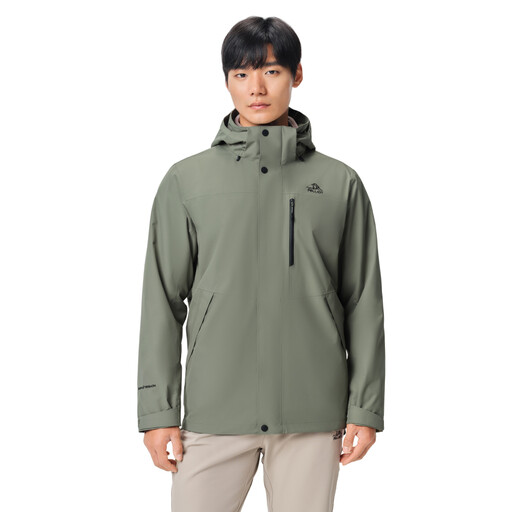
Why it suits this profile: The windproof outer layer, thermal lining and stated abrasion resistance make this jacket a good fit for long walks, travel and regular outdoor use.
The size chart gives separate measurements for the outer and inner jackets, helping you check how much room there is for layers.
More than 40.000 stated abrasion cycles, plus an adjustable hem, cuffs and hood.
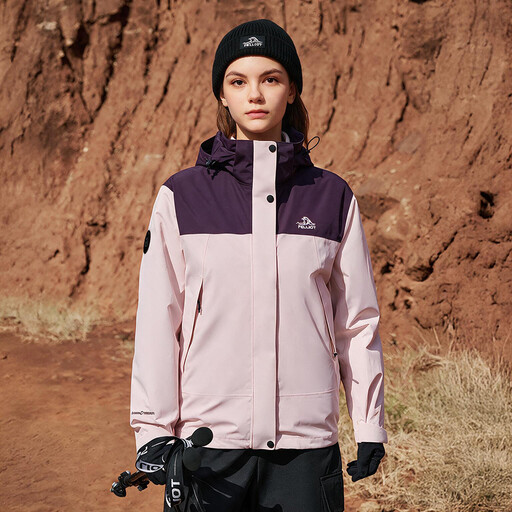
Why it suits this profile: The stated membrane construction and seam sealing make this jacket worth considering for camping, trekking and routes where you’ll be exposed to changeable weather for longer periods.
The description goes beyond mentioning a 3-in-1 system: it also specifies a STORMS BREATH membrane, sealed seams and a scratch- and abrasion-resistant outer fabric.
Separate outer and inner layers that can be worn on their own, a thermal lining and a microporous waterproof-breathable membrane, according to the product description.
We’ve put together a complete, up-to-date list of products that meet these strict selection criteria and the applicable European safety regulations.
Even a hard-wearing outdoor jacket needs looking after. Always follow the care label and product instructions. The following care advice is given for the PELLIOT models mentioned:
Avoid washing a waterproof jacket more often than necessary. After use, check the hood, cuffs, zips and seams. Dirt can affect how the membrane and water-repellent finish perform.
It can be, especially when you wear the fleece lining and outer layer together. How warm it feels depends on the lining, fit, wind and your activity. You may need extra clothing if you’ll be standing still for a long time in freezing conditions.
Compare your chest, shoulder and sleeve measurements with the size chart for the specific model. Leave room for a jumper or fleece jacket, but avoid a neckline, hem or sleeve that’s too loose. Sizing may differ between women’s and men’s models.
No. The hydrostatic head rating is only one factor. Seam sealing, zips, the hood, care and wear all help determine how well a jacket protects you from rain in everyday use. Look at the overall construction, not just one technical figure.
