
Vandaag of morgen in huis

Kwaliteit gegarandeerd

Welkomstaanbiedingen ontgrendelen: GRATIS bezorging | Tot 80% korting | Gratis 30 dagen JoyPlus-proefperiode
Download de app
A 3-in-1 waterproof outdoor jacket can be a real asset for Britain’s changeable weather: wear the outer shell against rain and wind, the inner layer for warmth, or both together on colder days. However, not every jacket with this label is as practical as it sounds. If you only look for words like “waterproof”, “warm” or “breathable”, you could end up with a jacket that’s too heavy, too tight or not protective enough in real-world use.
“Water-repellent” doesn’t automatically mean a jacket can handle prolonged rain. Always check whether the product information mentions a water column rating, a membrane or taped seams. The zips, hood and cuffs also determine how much rain eventually gets in.
A manufacturer might say a jacket is suitable for very low temperatures, but warmth depends on wind, your activity level, base layers and fit. According to the PELLIOT product description, the combination of outer and inner jacket is intended for temperatures around -5 to -15 °C. That’s a product specification from the brand, not a guarantee for every wearer or weather condition.
A 3-in-1 jacket needs room for a T-shirt, fleece or extra jumper. A jacket that’s too tight restricts movement and can reduce the insulating effect of the layers. So don’t just compare S, M or L – also check chest width, shoulder width, sleeve length and jacket length in centimetres.
A waterproof walking jacket needs more than just a smooth outer fabric. Look for:
For the purple PELLIOT women’s model, the product description states a water column of 35,900 mm H₂O according to JIS. The same description mentions a breathability rating of 16,000 g/m²/24 hours according to JIS. These figures come from PELLIOT’s product information; they shouldn’t be read as a general guarantee of comfort during every activity.
A breathable rain jacket helps move moist air from inside to outside, but no jacket can prevent sweating in all conditions. When hiking or trekking, pit zips, a loose fit and suitable base layers are at least as important.
A high figure on the product page is only truly comparable when the test method and unit are clear. Also check whether the garment needs maintenance to keep the outer fabric’s water-repellent finish working.
A fleece-lined jacket or thermal inner layer is especially practical when the layers can be worn separately. A 3-in-1 system typically offers three options:
According to the product description, the PELLIOT models featured have a technical thermal lining with thermal-lock technology and an anti-static treatment. These are claims from the manufacturer and product information. Actual warmth perception varies from person to person, depending on activity and what else you’re wearing.
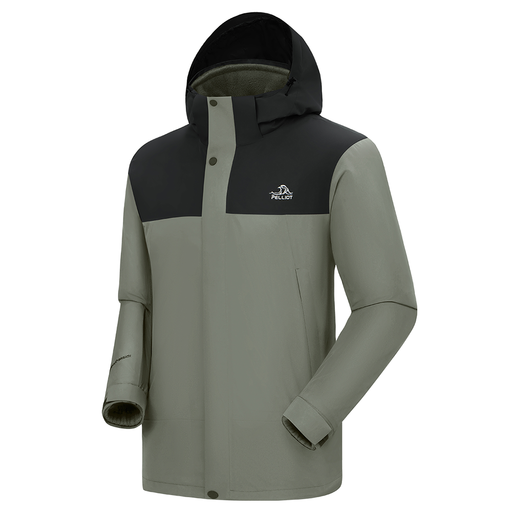
Why this fits the profile: This men’s outdoor jacket combines an outer shell and a thermal inner layer. It’s practical for commuting, camping and occasional walks where you don’t want to buy several separate jackets.
The product description mentions a microporous waterproof and breathable membrane, wind protection and seam taping. Do check the current size guide and product specifications before buying.
Three wearing options, scratch-resistant outer fabric according to the product description, and a men’s size range from S to XXXL.
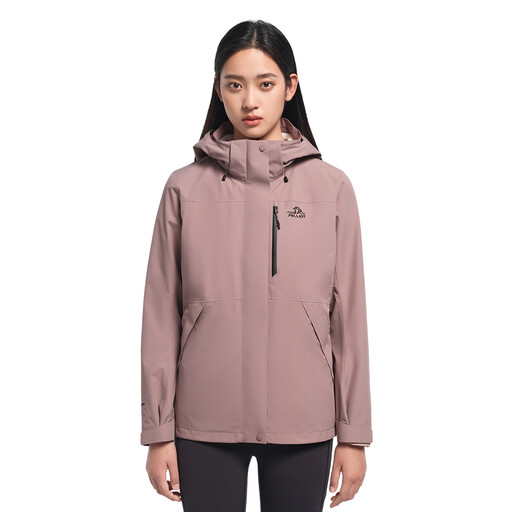
Why this fits the profile: This women’s outdoor jacket is aimed at those who want to compare technical specs for travel, winter walks and daily use in changing conditions.
The product page lists concrete figures for water column, breathability and abrasion resistance, rather than just general terms like “all-weather”. According to PELLIOT’s product information, these values are measured to JIS standards.
Stated water column of 35,900 mm H₂O, breathability of 16,000 g/m²/24 hours, and an adjustable hood, hem and cuffs according to the product description.
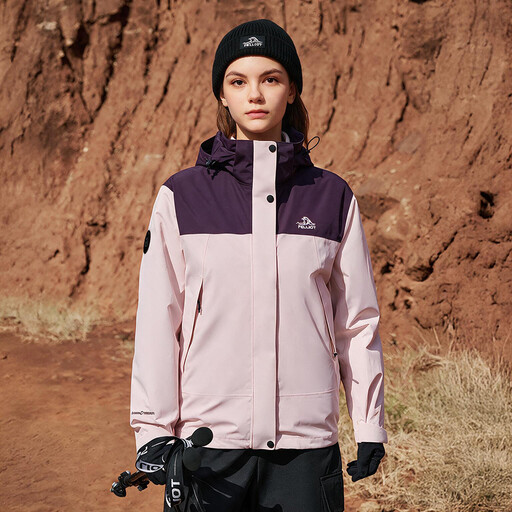
Why this fits the profile: The combination is suitable for camping, trekking and travel where a jacket needs to cope with changing layers and rougher use.
According to the product description, the outer and inner jacket can be worn separately or together. That means you don’t need to carry a different jacket for every temperature change.
Women’s sizes from S to XXXL, thermal lining according to the product description, and an outer fabric that PELLIOT says is designed for use on rougher terrain.
We’ve put together a full, up-to-date list of products that fully meet these strict selection criteria and comply with current European safety regulations.
Always follow the care label and the instructions on the product page. For the PELLIOT jackets mentioned, the product information states:
Don’t use just any detergent or fabric softener if the manufacturer advises against it. Also check the seams, zips and water-repellent outer layer over time. Wear on the shoulders, sleeves or hips can occur if you often carry a rucksack.
The three wearing options make a 3-in-1 jacket flexible for different temperatures. However, suitability depends on the thickness of the lining, the wind, your activity and what you wear underneath. So think of the term 4-season jacket as a description of wearing options, not a guarantee for every type of weather.
Measure your chest, shoulders and sleeve length, and compare them with the size guide for the specific model. Leave extra room for a jumper or fleece. If you’re between two sizes, the larger size is often more practical for layering – but check that the sleeves and shoulders aren’t too roomy.
No. Breathable fabric can help with moisture transfer, but your exertion level, humidity and ventilation also play a role. Open pit zips when you can, and wear layers that don’t hold moisture for long. That way, a trekking jacket or warm travel jacket will stay better suited to your activity.
