
Vandaag of morgen in huis

Kwaliteit gegarandeerd

Welkomstaanbiedingen ontgrendelen: GRATIS bezorging | Tot 80% korting | Gratis 30 dagen JoyPlus-proefperiode
Download de app
A 3-in-1 waterproof fleece jacket can be useful for walking, camping, commuting and travelling in changeable British weather. However, many jackets look similar, even though there can be major differences in protection, fit and ease of use. A thick lining, for example, does not automatically mean that a jacket is suitable for rain.
Before buying, pay particular attention to these three common pitfalls:
The hydrostatic head rating, expressed in mm H₂O, indicates how much water pressure the fabric can withstand according to a particular test. A higher figure suggests greater resistance to water pressure, but it does not tell you everything about performance in prolonged rain. Therefore, also check whether the product description provides information about taped seams, waterproof zips and an adjustable hood.
The product descriptions for the PELLIOT jackets state a hydrostatic head rating of 35,900 mm H₂O according to JIS. The models with STORMS BREATH also mention a microporous waterproof and breathable membrane with seam taping. These are product specifications from the supplied brand description and should not be taken as a guarantee for every weather condition.
During trekking, cycling or brisk walking, heat and moisture build up on the inside. A breathable rain jacket helps move this moisture outwards. Look at the MVTR rating, usually shown in g/m²/24 hours. According to the test method, a higher figure indicates greater vapour permeability.
The green PELLIOT version states an MVTR of 16,000 g/m²/24 hours according to JIS. This may be relevant for anyone looking for a jacket for more demanding walks or camping trips. Bear in mind that ventilation also depends on exertion, temperature, base layers and how the jacket is worn.
A 3-in-1 model generally consists of:
Check whether both parts can be worn separately and how they attach to one another. An adjustable hood, cuffs and hem help keep out draughts. Also consider abrasion resistance if you plan to use the jacket for trekking, climbing or camping. The product descriptions for several PELLIOT models state more than 40,000 abrasion cycles; this is a test result provided by the brand.
A winter jacket for walking needs different features from a fleece jacket for everyday use. For a camping jacket, wind protection, multiple wearing options and enough pockets are important. For commuting, weight, freedom of movement and a well-adjustable hood may matter more.
Also consider the difference between a men's outdoor jacket and a women's outdoor jacket. Sizing and body proportions vary between models. Measure your chest, shoulders and sleeve length, then compare these measurements with the table on the product page. With a 3-in-1 jacket, it is sensible to allow room for an extra jumper or fleece.
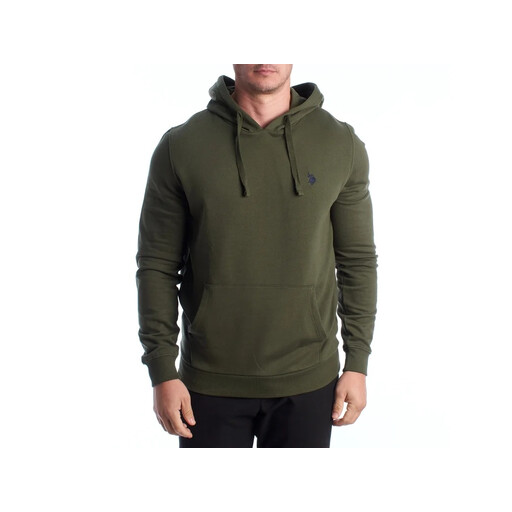
Why it suits this profile: An accessible fleece jacket for everyday use, travelling and relaxed outdoor activities. It works well as a warm layer, but is not intended to be a fully waterproof outdoor jacket.
The product description makes it clear that this is a fleece hoodie. You therefore will not accidentally buy it expecting taped seams or a rain membrane.
Cotton-polyester blend, thick fleece lining, drawstring hood and kangaroo pocket. Machine washable at a maximum of 30 °C according to the product information.
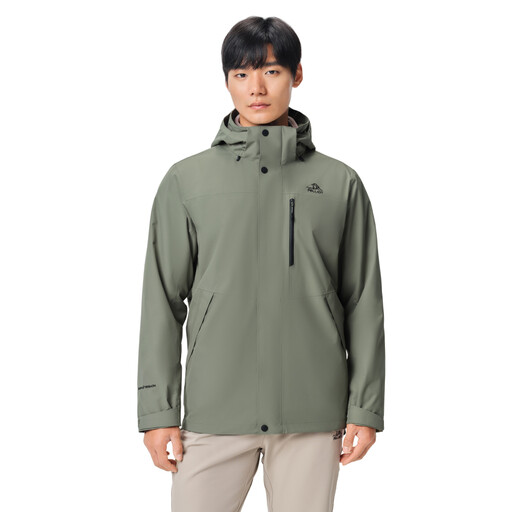
Why it suits this profile: For anyone who wants to use one jacket for commuting, walks and travelling, while valuing a combination of rain protection, fleece and versatility.
According to the product description, the jacket consists of an outer layer and a removable thermal inner layer. You can use the layers separately rather than relying on one thick jacket for every season.
According to the product description: 35,900 mm H₂O according to JIS, an MVTR of 16,000 g/m²/24 hours and more than 40,000 abrasion cycles. The hood, hem and cuffs are adjustable.
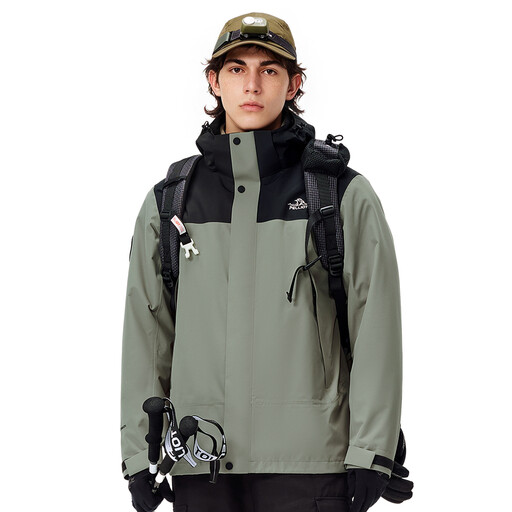
Why it suits this profile: Designed for campers, trekkers and walkers who need a trekking jacket for changing temperatures and more challenging terrain.
The product description mentions a microporous membrane, seam taping and an abrasion-resistant outer material. This provides more concrete information than simply describing a product as “waterproof”.
According to the product information, three wearing options are provided: shell, inner layer or combined. The stated temperature ranges are 10–25 °C, 0–10 °C and -5 to -15 °C.
We have put together a complete, up-to-date list of products that fully meet these strict selection criteria and the applicable European safety regulations.
Measure your body without thick clothing and compare the results with the size chart. If you are unsure, do not automatically choose a larger size: pay particular attention to chest measurement, shoulder width and sleeve length. Freedom of movement around the shoulders is important for walking and cycling.
Always follow the care label. For the PELLIOT models, the product information recommends washing cold on a delicate cycle, not using bleach, not tumble-drying and closing the zips before washing. Do not use fabric softener if the manufacturer advises against it, as this can affect the properties of technical fabrics.
A fleece jacket will generally retain its shape for longer if you avoid washing it unnecessarily hot and do not leave it wet on a radiator for extended periods. After heavy use, check the seams, zips and water-repellent outer layer. A removable inner layer can also be replaced or used separately, increasing the practical versatility of a 3-in-1 model.
That depends on the specifications. Choose a model with an adjustable hood, cuffs and hem, as well as information about waterproofing and seams. For short journeys, a fleece jacket may be sufficient, but fleece without a waterproof outer layer offers limited protection against persistent rain.
Warmth is determined by the lining, fit, windproofing and the layers you wear underneath. According to their product descriptions, the PELLIOT models mentioned can be worn together in lower temperatures. Use this temperature range as a guide, not a guarantee: wind, activity and your personal perception of warmth all make a difference.
Compare your measured chest, shoulder and sleeve measurements with the size chart for the specific model. Allow room for a jumper or thermal layer, but make sure the sleeves and shoulders are not too loose. With a 3-in-1 jacket, you should also check the measurements with both layers worn together.
