
Vandaag of morgen in huis

Kwaliteit gegarandeerd

Welkomstaanbiedingen ontgrendelen: GRATIS bezorging | Tot 80% korting | Gratis 30 dagen JoyPlus-proefperiode
Download de app
A new laptop, tablet, or smartphone often charges fastest through a USB-C port. However, the included cable is frequently too short or wears out quickly. When you search online for a replacement, you're flooded with terms like Power Delivery, Gbps, and various materials. Finding the right 2-meter USB-C to USB-C cable can therefore feel unnecessarily complicated.
This article is designed to provide clarity. We'll explain what to look for and offer specific recommendations for different users, ensuring you choose a cable that fits your devices and needs.
Not all USB-C cables are created equal. The differences mainly lie in charging power, data transfer speed, and build quality. Here are the key points to consider to make an informed choice.
The charging power, measured in Watts (W), determines how quickly your device can charge. A modern laptop requires more power than a smartphone. Most fast chargers use a technology called Power Delivery (PD). A good Power Delivery cable can communicate with the charger and the device to deliver the optimal amount of power.
Do you only use the cable for charging? Then data transfer speed is less important. But if you regularly transfer large files like videos, photo albums, or backups, this is a crucial factor.
A standard plastic USB-C charging cable can fray or break at the connectors over time. For a longer lifespan, a braided USB-C cable is a smart choice. These cables often have a nylon exterior, making them more resistant to bending and pulling. A durable charging cable is not only more long-lasting but also more reliable for daily use.
Based on the criteria above, we have selected several popular choices suitable for various needs.
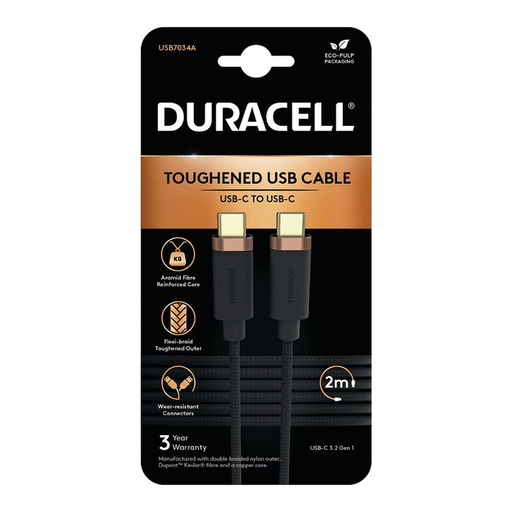
Why It Stands Out: This cable combines a robust design with solid all-around performance, making it a reliable choice for everyday use.
Pros:
Who Is It For? For the user seeking a reliable and durable charging cable for both charging and regular data transfers. It's an excellent replacement for the standard cables that come with most devices.
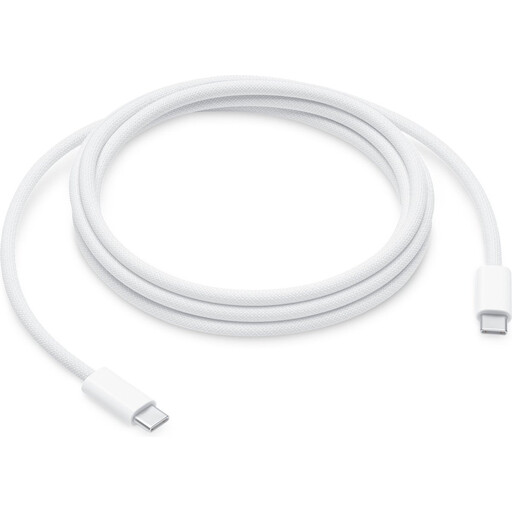
Why It Stands Out: This genuine Apple cable is engineered to deliver extremely high power, specifically for the most demanding Apple devices.
Pros:
Who Is It For? Primarily for Apple users with a powerful MacBook Pro or another device that benefits from a very high charging wattage. If you're looking for the fastest possible MacBook charging cable and data transfer is a secondary concern (the speed is USB 2.0), this is the ideal choice.
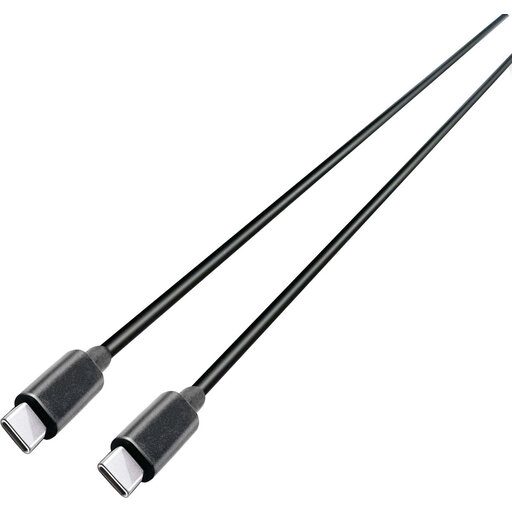
Why It Stands Out: This cable from Grundig focuses on maximum data transfer speed, combined with powerful charging capabilities.
Pros:
Who Is It For? For professionals, creatives, or tech enthusiasts who need both a powerful fast-charging USB-C cable and the highest possible speed for data transfers between devices like an external SSD and a laptop.
The perfect cable depends on your specific situation. If a 2-meter USB-C to USB-C cable isn't exactly what you're looking for, or if you have different requirements for power or material, countless other options are available.
Explore our full range of 2m cables here and find the perfect match for your devices.
Generally, yes. The USB-C standard is universal. However, to achieve the maximum charging speed, the charger, the cable, and the device must all support the higher power levels (such as through Power Delivery). A 100W cable with a 20W charger will charge your device at a maximum of 20W.
This depends entirely on your use case. For most people, charging is the primary function. In that case, the charging power (in Watts) is most important. If you frequently transfer large files, such as videos from a camera or backups to an external drive, then a high data transfer speed (in Gbps) is essential to avoid long waits.
A braided USB-C cable, usually made of nylon, offers superior protection against wear and tear from daily bending and coiling. The connectors are also often more securely attached. While the initial cost may be slightly higher, they generally last longer than standard plastic cables, making them a more cost-effective and reliable choice in the long run.
