
Vandaag of morgen in huis

Kwaliteit gegarandeerd

Welkomstaanbiedingen ontgrendelen: GRATIS bezorging | Tot 80% korting | Gratis 30 dagen JoyPlus-proefperiode
Download de app
A 26 cm stainless steel hotpot pan is handy for hotpot, shabu-shabu, soup, noodles and dumplings at the table. But a pan that looks sturdy in a product photo can disappoint in practice. The base might get too hot in places, the handles might heat up quickly or the capacity might be smaller than expected.
So don’t just look at the pattern on the pan or the claim that it’s “suitable for all hobs”. Check the material, base construction, diameter and care instructions.
With some pans, it’s unclear whether they have a chemical coating, an enamel layer or simply a textured metal surface. This makes a difference to how you care for the pan and which utensils you can use.
With a honeycomb non-stick pan, it’s important to check how the non-stick effect is described. According to its product description, the PURECOOK model has a physical honeycomb surface on 304 stainless steel. The manufacturer describes this as a surface that helps reduce food sticking. Even so, avoid metal spatulas and scouring pads, as they can damage the surface.
A hotpot pan often holds a lot of liquid. If the base doesn’t distribute heat evenly, the broth can come to the boil quickly in the middle while the edges stay cooler. A thickened composite base or multi-layer construction can help, but always check which hobs are actually listed as suitable.
An induction pan needs a magnetically compatible base. A flat, stable base is also important for gas and ceramic hobs. The claim “suitable for all heat sources” is only useful if the specifications specifically list gas, induction and ceramic hobs.
A diameter of 26 cm doesn’t automatically mean the pan is suitable for six people. The height and fill capacity determine how much broth, vegetables, meat and noodles will actually fit. For a household of 3 to 6 people, 26 cm is often a practical middle size, but a larger soup pan may be more suitable for bigger appetites or lots of ingredients.
304 stainless steel is widely used for cookware. The product specifications should clearly state which part is made from this material: the pan itself, the base or just a handle. According to the product information, the PURECOOK pan body is made from 304 stainless steel. The lid is made from tempered glass and has a silicone sealing ring.
The material description alone doesn’t tell you everything about how long a pan will last. Don’t leave an empty pan over a high heat for a long time, and avoid sudden temperature changes, such as placing a hot pan under cold water.
A hotpot pan for induction needs a suitable composite base. Also check that the base is flat enough for your hob. The PURECOOK pan is listed in the product specifications as suitable for gas, induction and ceramic hobs. This makes it a good fit for many British kitchens.
When using gas, make sure the flame doesn’t extend beyond the base. This helps prevent discolouration and unnecessary heating of the handles.
A hotpot pan with a glass lid lets you keep an eye on the cooking without constantly letting heat escape. A sealing rim can help keep heat and moisture in the pan for longer, but the lid knob and handles may get hot during cooking. Use oven gloves when moving the pan.
Wide double handles give you a better grip when the pan is full. Make sure they leave enough room on your hob and don’t sit over an adjacent heat source.
A pan with a honeycomb surface needs careful handling. Wash it by hand with mild washing-up liquid and a soft sponge. Avoid metal utensils, harsh cleaners and scouring pads. According to the product description, the PURECOOK hotpot pan is not dishwasher-safe.
Dry the pan thoroughly after washing. According to the care instructions, white marks caused by minerals in water or starch can be treated with a little vinegar or lemon juice. Rinse the pan thoroughly afterwards.
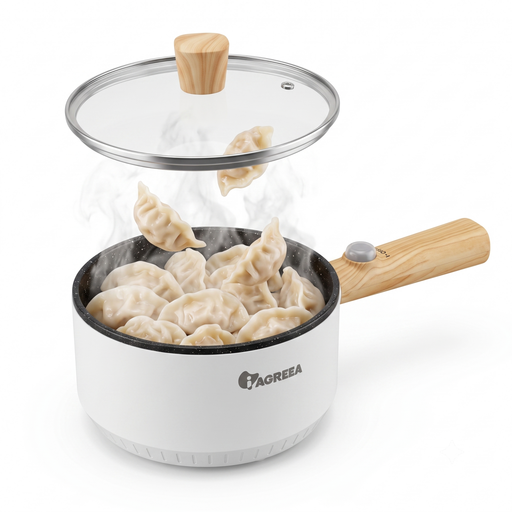
Why it suits this profile: This compact electric pan is ideal for a small portion of hotpot, noodles or soup in a student room, office or small household.
The stated capacity of 1.2 litres makes its limited size clear, so you won’t accidentally buy this model expecting a family-sized pan.
1000 W power, two heat settings, glass lid, and boil-dry and overheat protection, according to the product description.
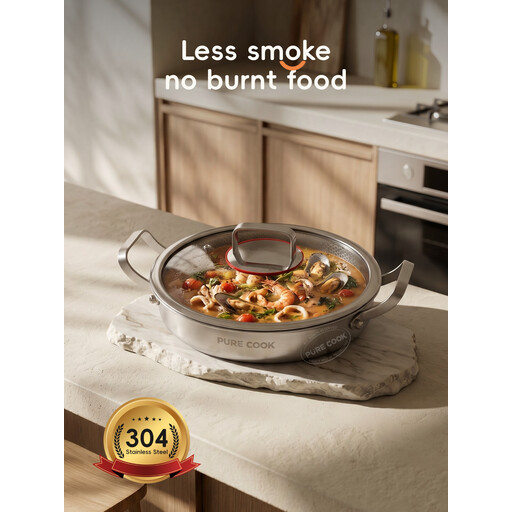
Why it suits this profile: This size is well suited to cooking together for around 3 to 6 people, and combines 304 stainless steel with a glass lid and wide double handles.
The specifications clearly state the diameter, pan material, composite base and compatible hobs. The pan is also hand-wash only, according to the description.
26 cm diameter, honeycomb surface, tempered glass lid, and suitable for gas, induction and ceramic hobs, according to the product information.
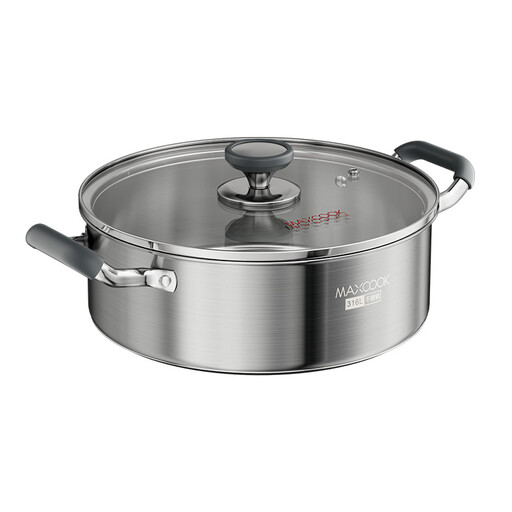
Why it suits this profile: Its larger diameter and capacity make it suitable for generous portions of soup, stews or hotpot meals where 26 cm may feel too small.
The 6.5-litre capacity and 30 cm diameter are clearly stated, so you’ll know in advance that this is a larger cooking pan, not a compact 26 cm model.
316L stainless steel according to the product title, glass lid, composite base, and suitable for gas, induction, electric and ceramic hobs.
It depends on the height and capacity. A 26 cm pan can be practical for sharing a meal of broth, vegetables and smaller portions of meat or noodles. If you want to cook larger quantities at once, look for a pan with a greater capacity in litres.
Only if the manufacturer lists both heat sources as suitable. Also check that ceramic hobs are mentioned if that’s what you use. According to the product specifications, the PURECOOK pan is suitable for gas, induction and ceramic hobs.
Let the pan cool first, then wash it by hand with mild washing-up liquid and a soft sponge. Don’t use metal utensils or abrasive cleaners. Vinegar or lemon juice can help with white residue; rinse the pan well afterwards and dry it thoroughly.
We’ve put together a complete, up-to-date list of products that meet these strict selection criteria and the applicable European safety regulations.
