
Vandaag of morgen in huis

Kwaliteit gegarandeerd

Welkomstaanbiedingen ontgrendelen: GRATIS bezorging | Tot 80% korting | Gratis 30 dagen JoyPlus-proefperiode
Download de app
A 250 ml Asian tea drink may seem like a simple purchase, but product packaging can hide important differences. One ready-to-drink tea may contain black tea and relatively high levels of sugar, while another combines oolong tea, fruit juice concentrate and sweeteners. Terms such as “natural”, “refreshing” or “fruity” don’t tell you much unless you check the ingredients list and nutritional information.
When buying Asian drinks online, you’re most likely to come across these three pitfalls:
First, check whether it’s Chinese oolong tea, green tea, black tea or a flavoured drink. Oolong generally has a different flavour profile from black tea: often softer and more floral, depending on the variety used and the recipe.
Then check the amount of tea and fruit. According to the product information, Naïsnow Grape Oolong Tea contains at least 2 g of oolong tea per litre and at least 5% fruit juice, based on original juice. The green grape version contains at least 4 g of oolong tea per litre and at least 9% fruit juice. These are facts you can check, and they tell you more than the name on the front of the pack alone.
The Naïsnow varieties list 20 kcal and 4.8 g of sugars per 100 ml. Multiply these figures by 2.5 and a 250 ml bottle contains 50 kcal and 12 g of sugars. Uni-President Lemon Black Tea lists 37 kcal per 100 ml, which works out at around 93 kcal per 250 ml bottle.
Also look out for the difference between sugars and carbohydrates. Some drinks contain fructose-glucose syrup, while others use erythritol, monk fruit concentrate or sweeteners alongside sugar. Always compare a claim such as “low sugar” with the full nutritional information.
A 250 ml bottle or carton is handy for when you’re out and about, with lunch or as an individual serving. A 6-pack usually contains 1.5 litres. Before you buy, check:
You don’t need to prepare “ready-to-drink tea”. You can drink it straight away, but many varieties taste better when served chilled. Claims about flavour or quality come from the brand, so treat them as product information and compare them with the ingredients and nutritional values.
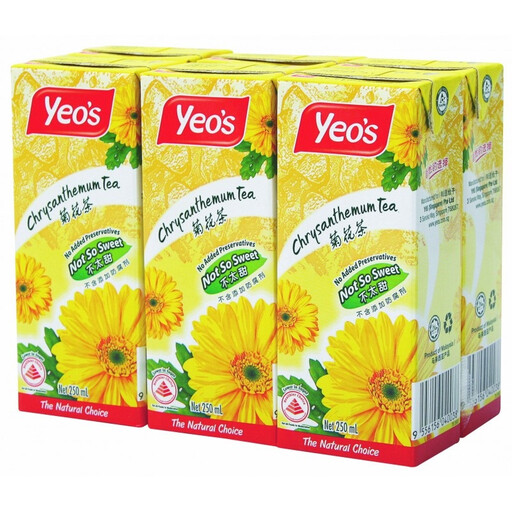
Why it suits this profile: An accessible multipack for anyone trying Asian tea for the first time and wanting to keep several servings at home.
The pack size is clearly stated as 6 x 250 ml. According to the product information, the drink contains 20% chrysanthemum flower extract, so you don’t have to rely on the product name alone to work out its floral flavour.
6 individual 250 ml servings; 20 kcal per serving according to the product information; suitable for drinking chilled.
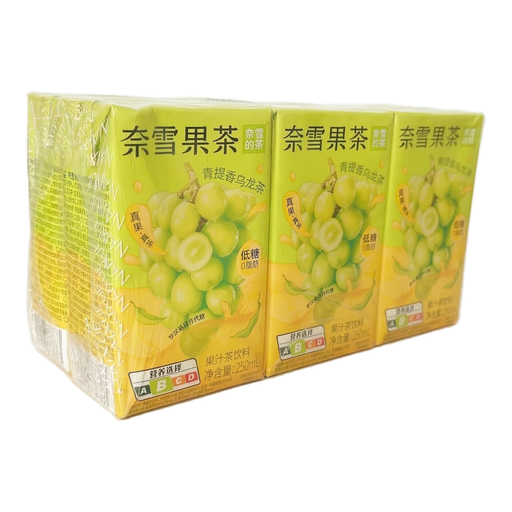
Why it suits this profile: For anyone looking for a fruity iced tea with a clearly specified oolong base and a higher stated fruit content.
The product information lists Baiya Qilan oolong tea, with at least 4 g per litre and at least 9% fruit juice. This makes it easier to assess the tea and fruit content in concrete terms.
6 x 250 ml; 20 kcal and 4.8 g of sugar per 100 ml according to the product information; serve chilled.
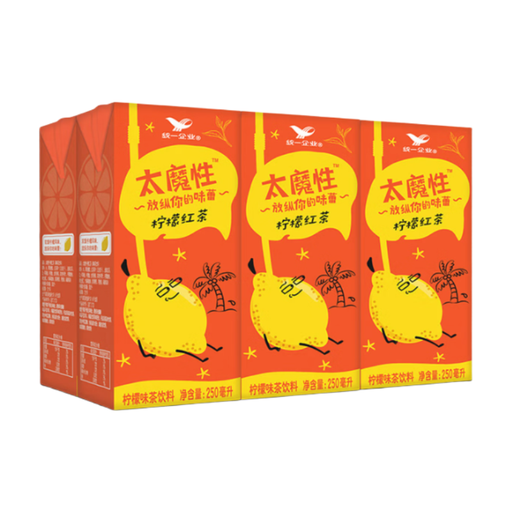
Why it suits this profile: For fans of a pronounced citrus flavour and a fuller black tea profile, for example alongside a meal.
The ingredients list includes instant black tea solids and concentrated lemon juice. The nutritional information is also provided per 100 ml and per bottle.
6 x 250 ml; 37 kcal per 100 ml and 93 kcal per bottle according to the product information; suitable for serving chilled or over ice.
We’ve put together a full, up-to-date list of products that meet these strict selection criteria and the applicable European safety requirements.
Yes. According to the product information, many varieties are ready to drink and are recommended served chilled. Check the label for storage instructions. Some drinks need to be refrigerated after opening and consumed within 24 hours.
It depends on the recipe. A drink containing 4.8 g of sugar per 100 ml has 12 g of sugar in a 250 ml bottle. Always check the nutritional information per 100 ml and multiply it by 2.5 to work out the amount in a full serving.
A multipack can be handy if you drink tea regularly, but compare the price per bottle and check the use-by date. A 6-pack usually gives you 1.5 litres of drink. This helps you avoid buying more than you can use within the recommended period.
