
Vandaag of morgen in huis

Kwaliteit gegarandeerd

Welkomstaanbiedingen ontgrendelen: GRATIS bezorging | Tot 80% korting | Gratis 30 dagen JoyPlus-proefperiode
Download de app
By the Joybuy Product Recommendation Officer, July 9, 2026
Living in a studio, a small apartment, or need an extra cooking station for your camping trips? A large cooktop with four or five burners is often unnecessary and impractical. A 2-burner electric cooktop is the perfect solution. It's compact, efficient, and fits almost anywhere.
But the options are vast: should you choose induction, ceramic, a built-in, or a freestanding model? To help you make the right choice for your needs, we've compiled a list of popular options and practical tips. We're focusing purely on specifications and functionality, without the marketing fluff.
Before we dive into the models, here are a few key points to consider that will help you choose.
The cooktop's technology determines how you cook, how fast it heats up, and how much energy it consumes.
Your choice depends on where you plan to use the cooktop.
Below is a selection of 2-burner cooktops that stand out for their specifications and functionality.
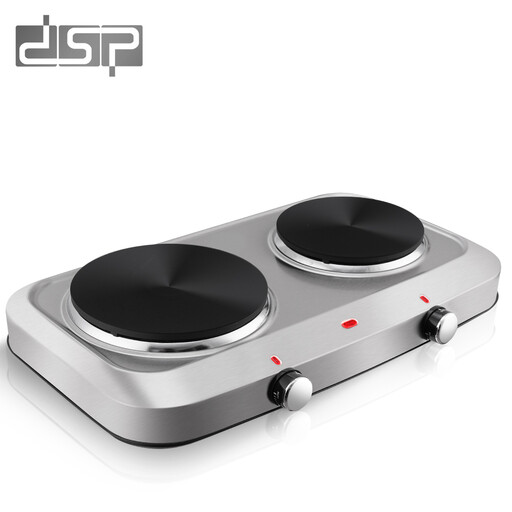
Why it stands out: This freestanding cooktop is a practical and durable solution for those who need flexibility. With its cast-iron burners and stainless steel housing, it's built for simple, reliable use, wherever you are.
Pros:
Who is it for? Ideal for dorm rooms, camping, RVs, or as a temporary cooking solution during a renovation. A no-nonsense cooktop for those who prioritize functionality and portability.
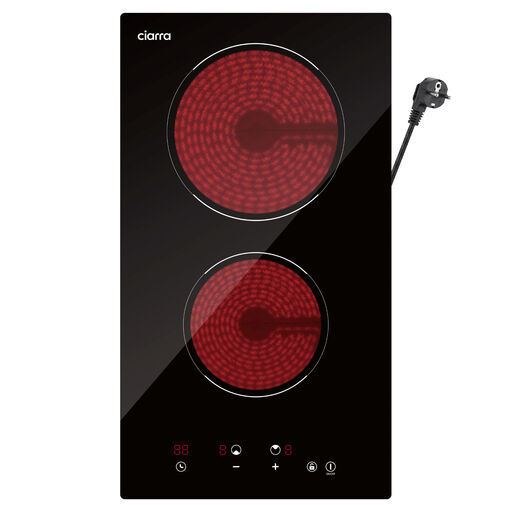
Why it stands out: This built-in hob from Ciarra combines a sleek design with modern features. The ceramic glass surface ensures seamless integration into your countertop and is easy to operate.
Pros:
Who is it for? Perfect for those seeking a permanent, stylish, and modern cooking solution for a small kitchen, tiny house, or kitchenette. You don't need any special cookware.
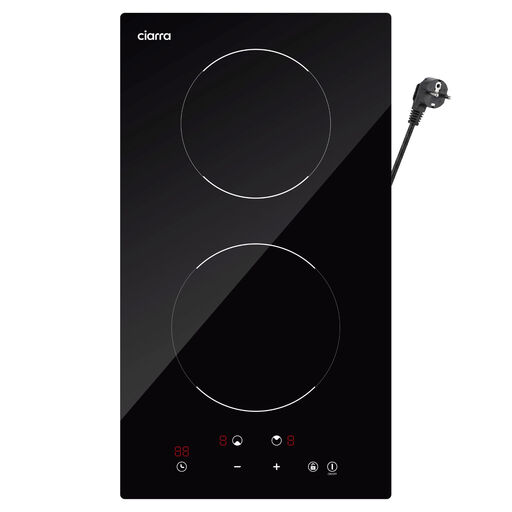
Why it stands out: This model from Ciarra offers all the benefits of induction cooking in a compact, built-in format. It's fast, energy-efficient, and features the same modern controls and safety functions as its ceramic counterpart.
Pros:
Who is it for? For the modern cook who wants the speed, safety, and energy efficiency of induction in a small kitchen. Keep in mind that you will need induction-compatible cookware.
These are just a few examples to give you an idea of the possibilities. Are you looking for a different type, power level, or size? For a broader overview of various models and specifications, check out our full category.
The main difference is the technology. An induction cooktop heats the pan directly with a magnetic field, which is faster and more energy-efficient. A ceramic cooktop heats an element under the glass plate, which in turn heats the pan. This takes a bit longer. You need special cookware for induction, but not for ceramic.
That depends on the total power (wattage) of the cooktop. Freestanding models with lower power ratings (up to around 2500W) can often be plugged into a standard outlet. More powerful built-in models (like 3000W or more) may require a dedicated electrical circuit. Always check the product's specifications and consult an electrician if you're unsure.
For an induction cooktop, you need cookware with a magnetic base. You can easily test this by holding a magnet to the bottom of your pan. If the magnet sticks, the pan is compatible. Cookware made of cast iron or some types of stainless steel usually works well. Aluminum, copper, and glass will not work.
