
Livraison le jour même et le lendemain

Qualité garantie

Débloquez vos offres de bienvenue: Livraison GRATUITE | Jusqu'à -80 % | 30 jours d'essai gratuits à JoyPlus
Téléchargez l'application
Making your own sushi starts with the most important ingredient: the rice. But anyone searching for "1kg sushi rice" in the supermarket or online is faced with an overwhelming number of choices. The packaging all promises authenticity, but the results at home often fall short. The rice isn't sticky enough, falls apart, or has a disappointing texture.
Many home cooks unwittingly fall into a few common traps. They pay too much for a brand with glossy marketing, or they buy a type of rice that is unsuitable, despite the "sushi" label. This leads to frustration and waste. Before you buy your next bag of rice, it's helpful to know what to look for to avoid these disappointments.
To avoid a bad purchase, you can focus on a few objective characteristics. These specifications determine whether you end up with perfect sushi rice or a disappointing meal.
The foundation of any good sushi rice is its type. You need a short-grain rice, also known as the Japonica variety. These grains are small, round, and contain a high level of amylopectin. This specific type of starch is what gives the rice its characteristic sticky yet resilient texture after cooking. The grains clump together without becoming mushy, which is essential for forming nigiri and maki rolls. Always check the packaging for the "short-grain" designation.
How the rice is packaged can be an indicator of its quality. Vacuum-sealed packaging is a good sign. It protects the rice from moisture and pests and, more importantly, preserves the freshness and subtle aroma of the grains. Rice exposed to air for a long time can dry out and become brittle, leading to broken grains and uneven cooking. A 1 kg package is ideal for most households. It's enough for several meals, but the bag is emptied quickly enough to ensure you are always working with fresh rice.
Not all sushi rice is created equal. Depending on your experience and how often you make sushi, one option may suit you better than another. Below are a few choices tailored to different user profiles.
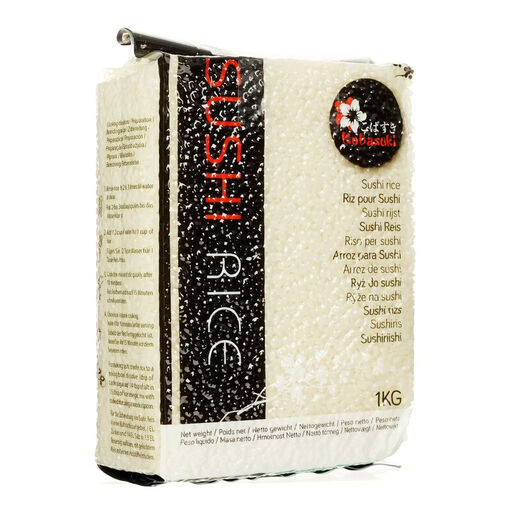
Why This Fits Their Persona: Ideal for those just starting out with sushi making. The 1kg package is perfect for experimenting without being left with a large bag. The rice delivers a reliable texture that's easy to handle, which significantly simplifies the learning process.
This product avoids the "premium" marketing trap. It's a functional, no-nonsense rice. The vacuum-sealed packaging is a clear sign of quality preservation, rather than a vague promise on a glossy label.
The fine, round grains provide an excellent texture, and the vacuum-sealed packaging guarantees maximum freshness. This ensures a consistent result, time after time.
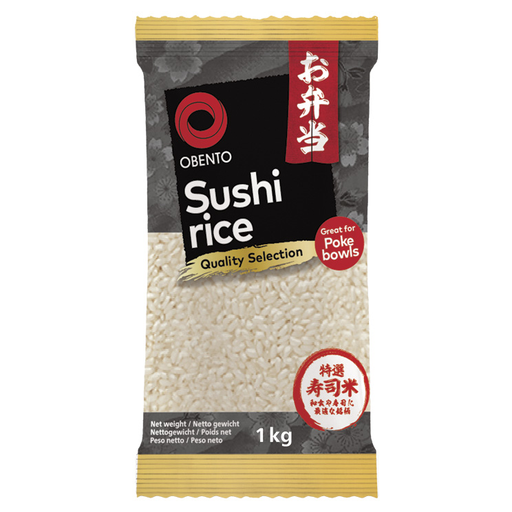
Why This Fits Their Persona: For those who have sushi on the menu weekly or monthly, reliability is crucial. Obento is an established brand in Asian cuisine. This rice offers the consistency needed for those who have perfected their recipes and want no surprises.
You're not paying for an unknown brand with vague promises, but for the predictability of a well-known name. This avoids the pitfall of gambling on a new, unproven product.
This rice is known for absorbing the flavour of rice vinegar and other seasonings well. The 1kg package is convenient and ideal for regular use.
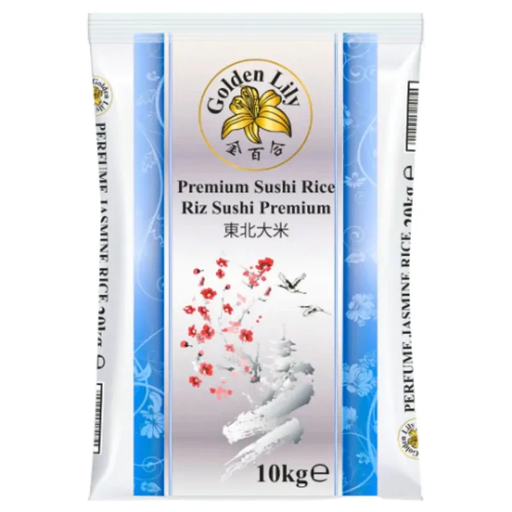
Why This Fits Their Persona: For large families, caterers, or anyone who prepares Japanese dishes very regularly, a bulk package is the most economical choice. This 10kg bag offers an excellent price-to-quality ratio for those who consume a lot of rice.
By buying in bulk, you avoid the higher price-per-kilo of smaller packages. For a bulk buyer, this is the most cost-effective way to stock up on quality sushi rice without constant trips to the store.
The uniform grain size ensures even cooking, which is especially important when preparing large quantities. The rice is sticky and glossy, suitable for various Japanese dishes.
Want to buy more types of Japanese rice or see other package sizes? We have a complete overview of sushi rice that meets the criteria for the home cook.
Although both are sticky, their texture is fundamentally different. Sushi rice (Japonica short-grain) is sticky, but the grains remain intact and have a slight 'bite'. Sticky rice (glutinous rice) contains a different type of starch, causing it to become much softer and mushier after cooking. It is primarily used for Asian desserts like mango sticky rice.
Uncooked, dry sushi rice can be stored for many months after opening, provided it is stored properly. It is important to seal the bag tightly and keep it in a cool, dry, and dark place. This prevents the rice from absorbing moisture or losing its aroma. An airtight storage container is an excellent solution for this.
Yes, washing sushi rice is a crucial step. Rinse the rice in a bowl of cold water and gently rub the grains between your hands. Drain the cloudy water and repeat this process 3 to 4 times, until the water is mostly clear. This removes the excess starch from the outside of the grains, which prevents the rice from becoming too mushy and ensures a perfect, glossy texture.
