
Vandaag of morgen in huis

Kwaliteit gegarandeerd

Welkomstaanbiedingen ontgrendelen: GRATIS bezorging | Tot 80% korting | Gratis 30 dagen JoyPlus-proefperiode
Download de app
Waking up with a stiff back or sore shoulders is a clear sign. Your mattress may no longer be providing the support your body needs. The search for a solution often leads to the term 'orthopaedic mattress', but what does that really mean? And how do you choose the right model in the popular 180x200 size?
As a Joybuy Product Recommendation Officer, I'm here to guide you through the specifications and marketing jargon. This article provides practical advice and concrete product examples to help you make an informed decision for a better night's sleep.
A good mattress is a personal choice. The following points will help you determine which features are most important for you.
The material largely determines the level of comfort and support. The most common types are:
The firmness of a mattress is often indicated by an H-rating. An H3 mattress (medium-firm) is suitable for most people with a body weight between 80 and 110 kg, offering a good balance of comfort and support.
A 7-zone mattress is designed to provide targeted support to different parts of the body. For example, the shoulder and hip zones are softer, allowing them to sink in slightly. The lumbar zone is firmer to properly support the lower back. This helps keep the spine in a natural, straight alignment, which is essential for a mattress for back pain.
A good night's sleep also depends on a clean and pleasant sleeping environment. Look for mattresses with a removable and washable cover. Certifications like Oeko-Tex indicate that the textiles have been tested for harmful substances. For hot sleepers, materials with an open-cell structure, like cold foam, or mattresses with built-in ventilation channels are an excellent solution.
Based on product specifications, we have compiled a list of interesting options for you.
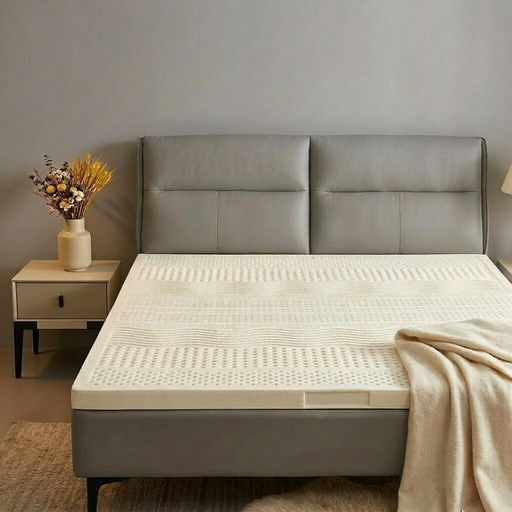
Why it stands out: This isn't a full mattress, but a 7.5 cm thick topper. It's a quick and effective way to upgrade your current mattress with the benefits of latex.
Pros:
Who is it for? For those whose current mattress is still in good condition but who are looking for extra comfort and resilient support without purchasing an entirely new mattress.
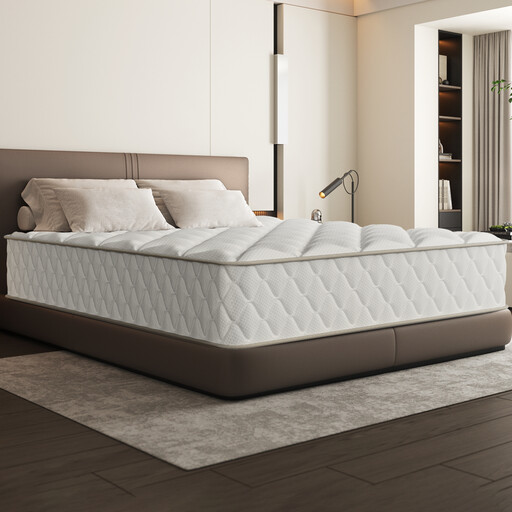
Why it stands out: A classic pocket spring mattress with a clear focus on support and hygiene. Please note: this model is 80x200 cm. For a 180x200 cm bed, you can use two separate mattresses, which is ideal if partners have different preferences or move a lot during sleep.
Pros:
Who is it for? For couples who prefer individual comfort or for anyone seeking a firm, well-ventilated, and hygienic pocket spring mattress.
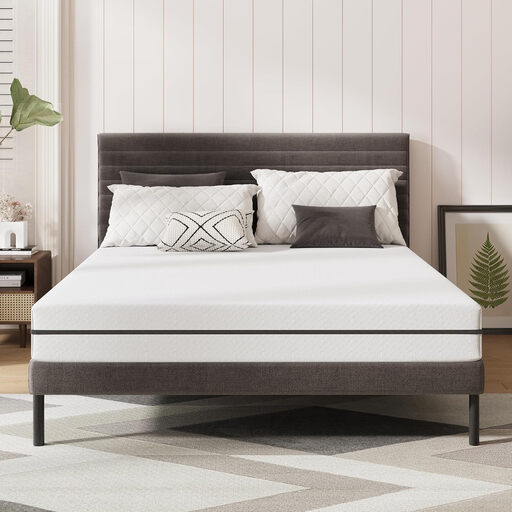
Why it stands out: This mattress combines multiple technologies and offers unique flexibility: you can flip it for two different firmness levels.
Pros:
Who is it for? For people who are unsure about the right firmness and for hot sleepers looking for a breathable mattress that adapts to their preference.
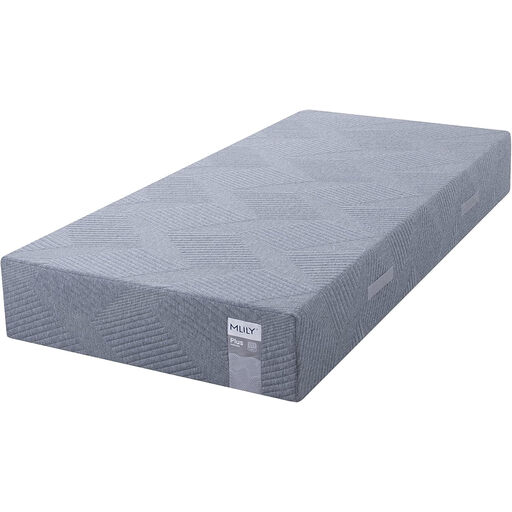
Why it stands out: This hybrid mattress combines the best of both worlds: the pressure-relieving comfort of memory foam and the resilient support of a pocket spring core. This specific model is 160x200 cm, a popular size that perfectly illustrates the benefits of a hybrid design.
Pros:
Who is it for? For couples, especially if one partner is a restless sleeper. It's also a great choice for those who want the pressure relief of memory foam but don't want to compromise on the resilience and ventilation of a pocket spring mattress.
These recommendations are a starting point. Every body is different, and you might be looking for a different thickness, material, or size. For a broader overview of mattresses with extra comfort and support, you can browse our full selection.
View more options in the Thick Mattress category
The term 'orthopaedic' is not a legally protected designation. It refers to a mattress designed to provide optimal support for the spine, back, and joints. In practice, this means you should look for features like a 7-zone layout, the correct firmness for your body (such as H3), and pressure-relieving materials.
The lifespan of a mattress depends on the quality of its materials and how it's maintained. On average, a good mattress lasts 8 to 10 years. Regularly flipping and rotating it (if the design allows) and using a good, supportive bed base can significantly extend its life.
No, this is a common misconception. A mattress should be supportive, not necessarily hard. A mattress that is too firm can create pressure points on your shoulders and hips, forcing your spine into an unnatural position. The ideal mattress for back pain supports the natural S-curve of your spine.
