
Vandaag of morgen in huis

Kwaliteit gegarandeerd

Welkomstaanbiedingen ontgrendelen: GRATIS bezorging | Tot 80% korting | Gratis 30 dagen JoyPlus-proefperiode
Download de app
A quality king-size mattress is the foundation of a restorative night's sleep. Especially with the popular 180x200 cm size, the number of options can be overwhelming. The wrong choice can lead to restless nights, or even back and neck pain. The purpose of this article is to help you buy a mattress by explaining the most important features and showcasing several excellent options for 2026. This will enable you to make an informed choice that suits your personal sleep needs.
Before you make a decision, it's helpful to understand a few basic elements. The materials, support, and ventilation largely determine your sleep comfort.
The core of a mattress determines its support and feel. The most common types are:
A 7-zone mattress is designed to give different parts of your body the right level of support. The zones vary in firmness to correctly position your head, shoulders, waist, hips, thighs, calves, and feet. For example, a softer shoulder zone allows your shoulder to sink deeper into the mattress, which helps keep the spine straight. This type of mattress is often referred to as an orthopaedic mattress because it promotes an ergonomic sleeping posture.
Do you tend to get hot at night? If so, pay close attention to the mattress's breathability. Materials like pocket springs and open-cell cold foam generally ventilate better than a full memory foam mattress. Some mattresses feature special top layers of gel or other breathable materials to effectively dissipate heat.
Based on product specifications and features, we have selected several compelling options for you.
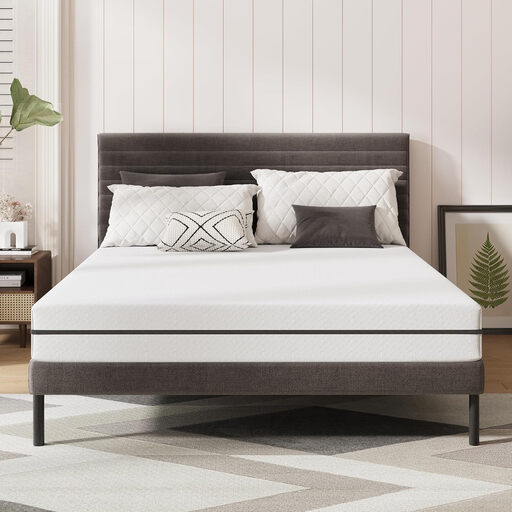
Why it stands out: This mattress offers two firmness levels in one. One side (H3) has a gel-foam top layer for a softer feel and temperature regulation. Flip the mattress over, and you get the H4 side with firmer foam for more support.
Key features:
Who is it for?: Couples with different firmness preferences, or individuals who like to switch between support levels. Also a great choice for hot sleepers.
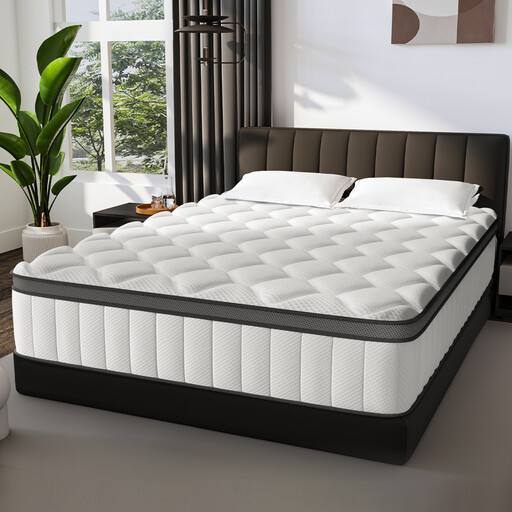
Why it stands out: This orthopaedic mattress combines a 7-zone pocket spring core with layers of viscoelastic foam and high-density foam. According to the manufacturer, it is designed to follow the natural curvature of the body and provide optimal spinal support.
Key features:
Who is it for?: People looking for a mattress for back pain or those who require specific support. Also ideal for couples thanks to its excellent motion isolation. Please note: this model is available in various sizes, including 180x200 cm.
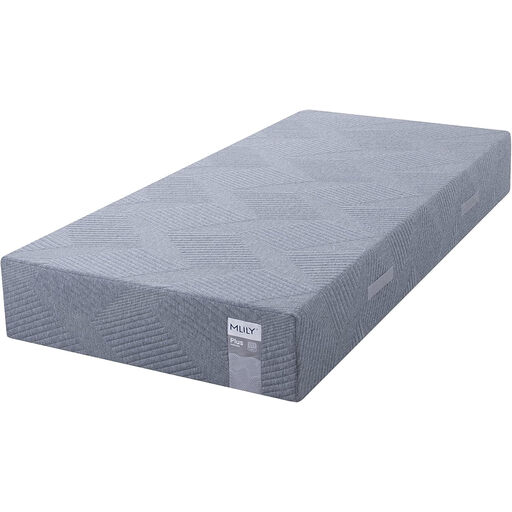
Why it stands out: The MLILY Plus combines the benefits of a memory foam mattress with a pocket spring core. The mattress features 7 comfort zones and 4 different layers, including Cool-Flex foam, which the manufacturer claims ensures better air circulation.
Key features:
Who is it for?: Sleepers who want the pressure-relieving properties of memory foam without sacrificing ventilation. Also a great option for couples. Please note: this model is available in various sizes, including 180x200 cm.
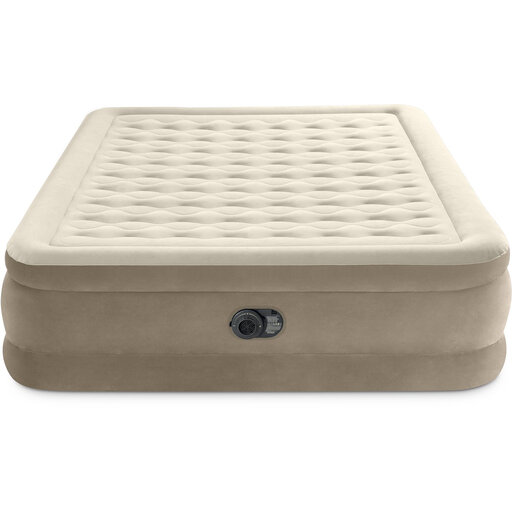
Why it stands out: This is not a traditional mattress, but a luxury airbed. It's a practical solution for guests or as a temporary bed. Thanks to the built-in electric pump, it's ready for use in minutes.
Key features:
Who is it for?: Anyone who needs a comfortable and quick-to-set-up guest bed or is looking for a temporary sleeping solution.
Is none of these recommendations exactly what you need? No problem. A mattress is a personal choice. In our broader collection, you'll find many more options, from different materials to various firmness levels.
View our full range of beds & mattresses here.
A pocket spring mattress provides support through metal springs and offers excellent ventilation. A memory foam mattress provides support by moulding to your body, which ensures superior pressure relief but is often slightly warmer. The choice depends on your personal preference for bounce versus contouring.
An orthopaedic mattress is designed to keep your spine in a natural, straight line. If you often wake up with back or neck pain, a mattress with good zoning and support, such as a 7-zone mattress, can provide significant improvement. It distributes your weight more evenly and reduces pressure on sensitive points.
The lifespan of a mattress depends heavily on the material and quality. On average, it is recommended to replace a mattress every 8 to 10 years. Visible sagging, reduced support, or hygiene concerns are clear signs that it's time for a new one.
