
Vandaag of morgen in huis

Kwaliteit gegarandeerd

Welkomstaanbiedingen ontgrendelen: GRATIS bezorging | Tot 80% korting | Gratis 30 dagen JoyPlus-proefperiode
Download de app
A powerful pressure washer can be the difference between hours of scrubbing and a job done in minutes. A 180-bar model, in particular, seems like the ideal solution for cleaning your driveway, patio, or car. But the market is flooded with models that make big promises. Unfortunately, a few common pitfalls often lead to a purchase you'll later regret.
As a Joybuy Product Recommendation Officer, I see where things often go wrong. Before you invest, it's wise to be aware of these points:
To find a model that performs well and lasts long, focus on the specifications that truly matter.
These two specifications together determine the cleaning power.
A good balance is essential. A model with 180 bar and 350 L/h will work significantly slower than a model with 180 bar and 480 L/h.
The motor drives the pump, which pressurises the water. This is the heart of the machine.
The right accessories make a pressure washer much more versatile.
Below are a few choices, matched to specific user profiles, based on their objective specifications.
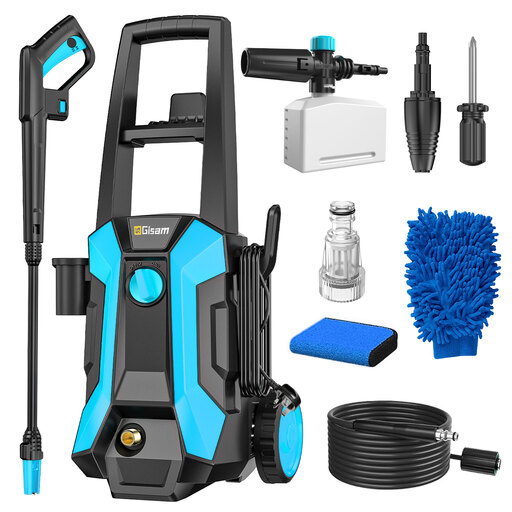
Why This Fits Their Persona: Ideal for those who need serious cleaning power for large surfaces like driveways, patios, and fences. The combination of 180 bar and 480 L/h is perfect for the toughest jobs in and around the house.
This model tackles two major pitfalls: it combines high pressure with a strong water flow rate (480 L/h) for efficiency and includes an integrated hose reel for the 8-metre hose, which prevents frustration.
Comes as a complete set with a foam sprayer, rotating nozzle, and a high-pressure gun. The 2200W motor delivers the power needed for its specifications.
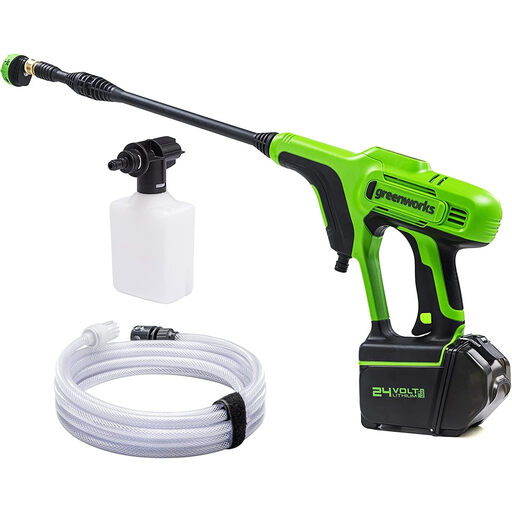
Why This Fits Their Persona: Not everyone needs 180 bar. For those who want to quickly clean a bike, garden furniture, or a small balcony without the hassle of cords, this is a practical solution.
This model avoids the trap of exaggerated specs. It's honest about its 24-bar pressure and is specifically designed for light, quick jobs where mobility is more important than brute force.
Completely cordless and can draw water from any source (bucket, rain barrel). This offers maximum freedom in locations without a power outlet or water tap.
We have compiled a complete, up-to-date list of products that meet these strict selection criteria and UK regulations.
For a standard patio with light to moderate green buildup, a pressure washer with 130 to 150 bar is often sufficient. A 180-bar pressure washer is mainly useful for very stubborn dirt, long-neglected surfaces, or for cleaning robust materials like concrete and natural stone.
Be careful. A jet that is too powerful and concentrated can damage your car's paintwork. Always use a car pressure washer with a wide-angle spray nozzle or a special car wash brush. Many models have adjustable pressure or a dedicated soft setting. Always start with a lower pressure and maintain a safe distance (at least 30 cm) from the surface.
An electric pressure washer is the most popular choice for home use. They are lighter, quieter, low-maintenance, and produce no exhaust fumes. Petrol models are generally more powerful and not dependent on a power outlet, making them suitable for professional or remote use. For most jobs around the home, an electric model is the most practical choice.
