
Vandaag of morgen in huis

Kwaliteit gegarandeerd

Welkomstaanbiedingen ontgrendelen: GRATIS bezorging | Tot 80% korting | Gratis 30 dagen JoyPlus-proefperiode
Download de app
A damp bedroom, condensation on the windows or laundry that dries slowly indoors: a 16L dehumidifier can be a practical solution in these situations. However, a capacity of 16 litres per day does not tell you everything. This figure is generally measured under specific conditions, such as a particular temperature and relative humidity.
If you focus only on the number of litres, you could end up buying a machine that is too noisy, fills up quickly or cannot be connected conveniently to a drain. Also consider the noise level, measuring range, drainage options and the size of the room.
“16 litres per day” sounds clear, but the actual output depends on temperature and humidity. In a cold cellar, a compressor dehumidifier may perform differently than in a heated living room. Always check:
A model marketed as a dehumidifier for rooms up to 60 m² is not automatically suitable for every 60 m² home. An open-plan floor, several rooms and limited air circulation all affect performance.
A compressor, fan and automatic defrosting produce noise during use. A quoted figure of, for example, 30 or 32 dB usually applies to a specific sleep mode. Check whether the noise level refers to normal operation or only to the quiet mode.
For a bedroom dehumidifier, a sleep mode, switchable lighting and a timer are often more important than a long list of additional features.
A small tank needs to be emptied regularly, particularly when you use the dehumidifier to dry laundry. Check whether there is a continuous drainage connection and whether a hose is included. Also consider the length and position of the connection.
With a dehumidifier with continuous drainage, the water must be able to flow without kinks to a suitable drain. Position the appliance securely and follow the instructions for use. A collection tank remains useful as a temporary solution or when you move the appliance.
A 16L dehumidifier is particularly appealing to households looking for more capacity than a compact model can offer. According to the product description, the CONOPU 16L is intended for rooms of up to 60 m² and uses a compressor with R290 refrigerant. According to the supplier, the stated maximum capacity of 16 litres per day applies under the specified test conditions.
A compressor dehumidifier is particularly suitable for living rooms, utility rooms, cellars and other spaces where moisture needs to be removed regularly. Automatic defrosting can be relevant at lower temperatures. The CONOPU product description therefore mentions an automatic defrost function.
A dehumidifier with a hygrometer measures relative humidity and can stop or restart the appliance around a set level. According to the product information, the CONOPU can be set between 40% and 70% humidity. The indicator uses three colours:
Treat these figures as a practical indication. According to the product information, hygrometers can vary due to sensor position, airflow and where you take the measurement. Do not place the appliance directly next to a window, radiator or source of moisture.
For use at night, a quiet dehumidifier, a sleep mode and a dehumidifier with a timer are useful features. The CONOPU product description mentions a sleep mode from 30 dB and a 24-hour timer. The VINO 12L specifies a 32 dB sleep mode and app control with scheduling.
A dehumidifier for drying laundry works most effectively in a smaller, enclosed room with sufficient air circulation. Do not keep windows and doors closed throughout the programme without taking ventilation and the manufacturer’s instructions into account. Keep clothing clear of the air inlet and outlet.

Why it suits this profile: According to the stated specifications, this model combines a capacity of 16 litres per day with adjustable humidity, a timer and wheels. This makes it suitable as a first appliance for a living room, utility room or bedroom.
The product information specifies the test conditions and gives an indication of the suitable room size. Continuous drainage and a 2.5L tank are also mentioned, allowing you to plan your drainage solution in advance.
16L capacity, 24-hour timer, sleep mode from 30 dB according to the description, R290 and washable filter.

Why it suits this profile: For users who value remote control and scheduled operation, the product description says this model offers Wi-Fi control, a digital display and multiple programmes.
The specified room size is 24 m², making its suitability more clearly defined. The manufacturer also states that it has a 1.8L tank and a separate connection for continuous drainage.
12L per day according to the specification, 32 dB in sleep mode according to the description, app control and automatic shut-off.
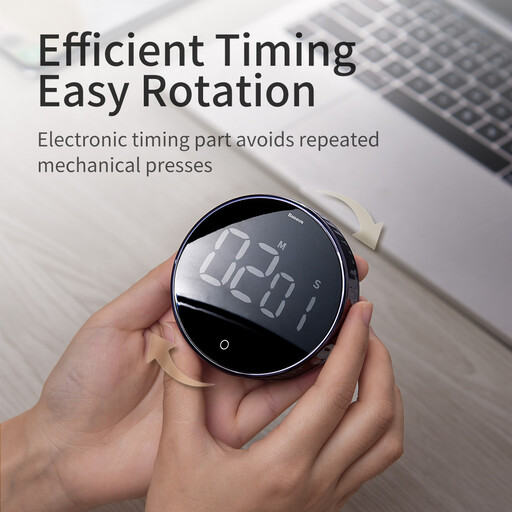
Why it suits this profile: This is not a dehumidifier, but a separate aid for anyone who wants to plan drying sessions or usage times manually. It is suitable for intensive users who do not want to use an additional app.
The timer is an additional aid and does not replace built-in humidity control. This makes it clear which functions the product does and does not provide.
Adjustable range of up to 99 minutes and 55 seconds, with mute and volume settings according to the product information.
We have put together a complete, up-to-date list of products that fully meet these strict selection criteria and the applicable European safety regulations.
Place the dehumidifier on a level surface with plenty of clear space around the air inlet and outlet. Close doors and windows during a drying programme only when this is appropriate for the room and in line with the instructions for use. Empty the tank before it is full and clean the filter regularly. On models with a washable filter, make sure it is completely dry before putting it back.
Keep an eye on energy consumption. A compressor dehumidifier generally uses more electricity when it runs for extended periods. A hygrometer and timer can help limit unnecessary operating hours. Continuous drainage mainly saves you from emptying the tank by hand; it does not automatically reduce energy consumption.
It can be, provided the room falls within the stated capacity and the noise level is acceptable to you. Ideally, choose a model with a sleep mode, timer and switchable lighting. Also make sure that the dehumidifier is not positioned directly next to the bed.
This depends on the amount of laundry, room temperature, spin speed and air circulation. A drying programme usually works more effectively in a smaller room, with the laundry positioned some distance from the appliance. Check the clothing from time to time and follow the manufacturer’s instructions.
The cost depends on the power consumption, electricity price and number of operating hours. Check the rating plate for the power consumption in watts. Multiply this by the number of hours and your current price per kilowatt-hour. A timer and automatic humidity control can help ensure the appliance runs only when needed.
