
Vandaag of morgen in huis

Kwaliteit gegarandeerd

Welkomstaanbiedingen ontgrendelen: GRATIS bezorging | Tot 80% korting | Gratis 30 dagen JoyPlus-proefperiode
Download de app
A 15.6-inch laptop backpack may seem simple to choose at first glance. However, small differences in the laptop compartment, materials and carrying comfort can make a big difference. A bag that appears spacious enough on paper may be too tight in practice for a laptop with a wide bezel or protective case. Terms such as “waterproof” and “water resistant” do not always mean the same thing either.
This buying guide helps students, school pupils, professionals and commuters choose a suitable backpack for work and school. The recommendations below are based on verifiable product specifications and information from the product descriptions.
A 15.6-inch laptop does not always have the same external dimensions. Business laptops, gaming laptops and ultra-thin notebooks can differ in width, thickness and depth. So do not just check whether the product title mentions “15.6 inch”; also check:
Pay particular attention to conflicting information. The NINETYGO College-Style Dual-Shoulder Backpack title states that it supports 15.6-inch laptops, while the specification in the product description says “fits up to 14 inch laptop”. You should therefore only order this bag after checking the current dimensions.
A water-repellent laptop backpack helps protect against light rain and splashes, but it does not automatically provide protection during a long cycle ride in heavy rain. Pay attention to the wording used:
According to NINETYGO’s product information, the model has a level 4 water-repellent finish, but the manufacturer also states that the bag is not completely waterproof and should not be exposed to heavy rain for extended periods.
A spacious backpack with a laptop compartment is useful if you carry documents, a charger, lunch and personal items. However, too many small compartments can distribute the weight unevenly. So consider the layout:
For a 15.6-inch laptop backpack, the size of the compartment is more important than the marketing name. Measure your laptop, including any protective case. A bag with a loose-fitting laptop compartment generally offers greater flexibility, but a compartment that is too large may allow the device to move around.
Also check the bag’s overall dimensions. A compact laptop backpack is suitable for everyday commuting, while a travel backpack offers more room for clothing and accessories. For commuting by train or bicycle, a slim model is often easier to carry than a very deep bag.
Capacity is usually expressed in litres. A bag of around 10 litres is suitable for a laptop, documents and a few small accessories. For sportswear, lunch or a weekend trip, a larger spacious backpack is more practical.
An expandable backpack can be a good solution when you carry little on some days and much more on others. According to the product specifications, the Beneunder LC183 has a capacity of 10 litres in its standard configuration and 13 litres when expanded. That is an increase of 30 per cent, according to the product description.
Nylon is lightweight and flexible; heavier fabrics such as 900D may offer greater resistance to tearing, but may feel less supple. Also look for:
Most water-repellent models can be wiped clean with a damp cloth. Machine washing and drying at high temperatures can damage the fabric or coating. Always follow the manufacturer’s instructions.
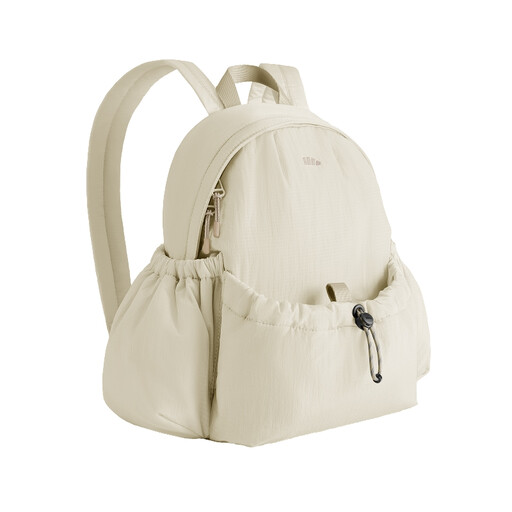
Why it suits this profile: A lightweight option for students and commuters who mainly carry a laptop, documents and everyday essentials. Check in advance whether the laptop compartment is suitable for your particular 15.6-inch model.
The stated capacity is clearly specified: 10 litres normally and 13 litres when expanded. According to the product description, the fabric resists wind, rain and stains, but check the laptop dimensions before ordering.
10 to 13 litres of capacity, a weight of 8.3 oz according to the specifications, an expandable design and hidden pockets.
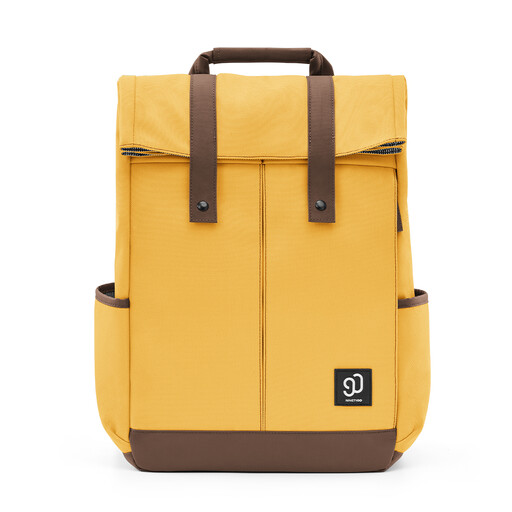
Why it suits this profile: An interesting choice for anyone looking for a sturdy backpack for work and school, with a spacious main compartment and multiple access options. However, note the conflicting laptop information in the product description.
The product information mentions 900D tear-resistant fabric and water repellency, but also warns against prolonged exposure to heavy rain. Also check your laptop’s dimensions, as the specification states a maximum of 14 inches.
900D material, level 4 water repellency according to the product information, a side zip for quick access and reinforced side pockets.
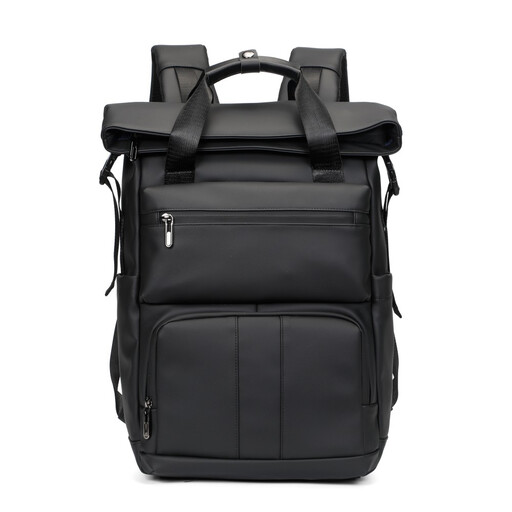
Why it suits this profile: A rolltop backpack is ideal for cyclists, commuters and travellers who want to use their available storage space flexibly during everyday commutes or city trips.
The rolltop closure limits the size of the open top. The product title mentions water repellency; treat this as protection against splashes and light rain, not as a guarantee of long-lasting waterproofing.
Suitable for a laptop up to 15.6 inches according to the product title, with ample capacity and multiple compartments for everyday use and travel.
A USB backpack can be useful when you want to charge a smartphone while travelling. However, check whether the bag only includes a USB port. You will usually need to connect your own power bank; the bag generally does not contain a built-in battery.
A business backpack with a luggage strap is practical when travelling by train or aeroplane. An expandable bag is particularly useful for short trips, provided that it does not become too heavy. After all, greater capacity also means more strain on your shoulders and zips.
We have put together a complete, up-to-date list of products that fully meet these strict selection criteria and the applicable European safety regulations.
No. Laptop dimensions vary by brand and model. Measure the width, depth and thickness, including the case, and compare these measurements with those of the laptop compartment.
Its lifespan depends on the material, zips, stitching, load and care. Do not regularly use the bag beyond its recommended capacity, and avoid prolonged exposure to heavy rain, even when the fabric is water-repellent.
Yes, but the USB port usually acts as a pass-through. You will need a suitable power bank of your own. Also check that the cable and connection are compatible with your phone and power bank.
