
Vandaag of morgen in huis

Kwaliteit gegarandeerd

Welkomstaanbiedingen ontgrendelen: GRATIS bezorging | Tot 80% korting | Gratis 30 dagen JoyPlus-proefperiode
Download de app
A 15.6-inch laptop backpack needs to do more than just carry a laptop. Students take books and lunch with them, commuters need room for a water bottle and charger, and travellers often look for a luggage strap. Yet many backpacks disappoint in practice. The stated laptop size doesn’t always match the actual compartment, the fabric turns out to be water-repellent rather than waterproof, and extra features sometimes add little value.
Use these checks to compare a school backpack, laptop backpack or travel backpack based on the features that matter in everyday use.
A product title may say “15.6 inch”, even though the laptop compartment is smaller. The screen size doesn’t tell you everything, either: laptops with a wider body or thick bezel may need more room than a slim model.
So check:
A model with a 14-inch laptop compartment is therefore not a sensible choice for a wide 15.6-inch laptop, even if the title suggests otherwise.
A waterproof laptop backpack should protect against rain, but many models are only water-repellent. This usually means they can keep out light rain for a short time. In prolonged or heavy rain, moisture may still get through the seams, zips and openings.
Look out for terms such as:
Check the zips and base, too. A sturdy base and covered zip can help, but they don’t automatically make a backpack suitable for prolonged heavy rain. If you’re carrying valuable electronics, consider using a separate laptop case.
A roomy backpack may seem appealing, but lots of small pockets can reduce the space in the main compartment. For school or work, the layout matters most: a separate laptop compartment, space for A4 books and a pocket for your charger, mouse and accessories.
A backpack with a laptop compartment is more practical when your laptop isn’t loose among books and other belongings. Also check whether the bag gets heavy when fully packed. A lightweight backpack may be more comfortable for everyday use, while a reinforced model may be better suited to heavy use.
A backpack of around 30 litres will generally have room for a laptop, books and everyday essentials, but the layout varies from model to model. Don’t just check the external dimensions; also look at:
A bag may be described as suitable for 15.6-inch laptops, but if you’re unsure, check the dimensions of your own laptop.
Oxford fabric, polyester and canvas are common materials for laptop and school backpacks. 900D fabric refers to a relatively heavy fibre density, but on its own it doesn’t mean a backpack is fully waterproof or indestructible. Stitching, zips and shoulder straps also affect how long it will last in everyday use.
Check the care instructions. Some models can only be cleaned with a damp cloth or hand-washed. This is worth bearing in mind if you use your backpack every day on your bike or on public transport.
For a comfortable backpack, padded shoulder straps, a soft back panel and an adjustable fit are useful features. Not every model has a chest strap, but it can help if you do a lot of walking or cycling.
A backpack for work and school also benefits from:
A backpack with a USB port can be useful when travelling. The port doesn’t charge devices on its own: you’ll need a power bank, which must be connected to the internal cable inside the bag.
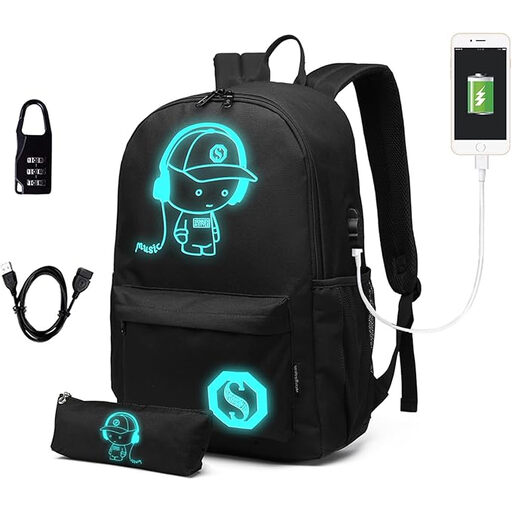
Why it suits this user: This school backpack is aimed at pupils and students looking for a distinctive design and practical pockets. The product information states that it has room for a laptop of up to 15.6 inches, A4 books and a free pencil case.
The stated laptop compatibility is clear. The bag isn’t described as fully waterproof, so you can plan to add extra protection in heavy rain.
Oxford fabric, several storage pockets, a USB port and a stated weight of 0.47 kg. According to the product description, the luminous design becomes visible after exposure to light.
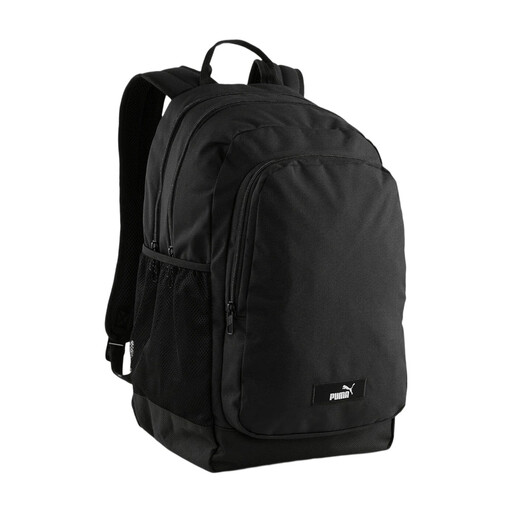
Why it suits this user: A neutral black backpack with two main compartments works for school, work and the daily commute. The adjustable padded straps and padded back panel are designed for comfort.
It has two spacious compartments and several pockets, so you don’t have to squeeze everything into small compartments. Check your laptop’s shape and dimensions before buying.
Capacity of around 24 litres, two side pockets and at least 70% recycled material, according to the product information. The maximum compatible device size is stated as 18.7 inches.
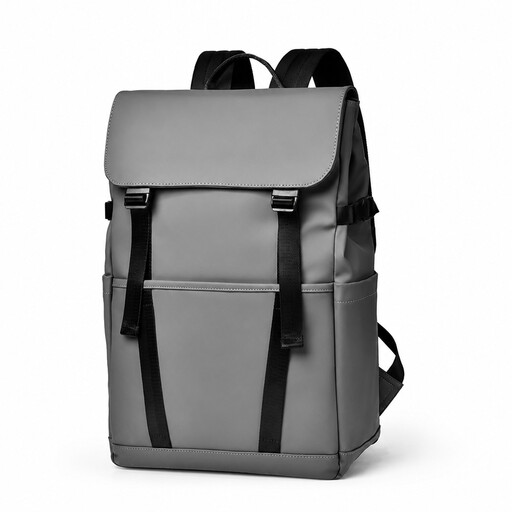
Why it suits this user: The flip-cover design and multiple compartments suit commuters and travellers who want to keep their laptop and accessories separate.
The product name specifies a compartment for a 15.6-inch laptop and water-resistant features. As further technical details are limited, it’s worth checking the dimensions and zip finish before buying.
Water-resistant exterior, multiple compartments, scratch-resistant design and a luggage strap, according to the product title.
We’ve put together a complete, up-to-date list of products that meet these strict selection criteria and the applicable European safety regulations.
No. The inch measurement is the diagonal screen size and doesn’t account for the thickness or width of the laptop body. So compare your laptop’s dimensions with those of the laptop compartment.
That depends on the material, seams, zips, load and how you use it. A bag that’s packed heavily every day will generally wear out faster than a backpack carrying just a laptop and a few accessories. Avoid overloading it and follow the care instructions to help keep the fabric and fastenings in good condition for longer.
For short bike rides or the daily commute, a water-repellent backpack may be enough, provided you give your electronics extra protection. For prolonged rain, a rain cover or waterproof laptop case is a sensible extra. Always check exactly what the manufacturer says about water resistance.
