
Vandaag of morgen in huis

Kwaliteit gegarandeerd

Welkomstaanbiedingen ontgrendelen: GRATIS bezorging | Tot 80% korting | Gratis 30 dagen JoyPlus-proefperiode
Download de app
Choosing a 15.6-inch laptop backpack might seem straightforward at first. But models can vary considerably in protection, layout and carrying comfort. A backpack may look spacious, yet still have too little room for a laptop, charger and documents. Terms such as “waterproof”, “anti-theft” and “USB charging” don’t always mean what you might expect, either.
For students, commuters and business travellers, these are the three main pitfalls to watch out for:
Don’t just look for “15.6 inches”. Check:
A separate, padded compartment helps prevent your laptop from coming into direct contact with other belongings. For a business backpack, compartments for A4 documents, a tablet and a charger are useful too. If you’re unsure, measure the length, width and thickness of your laptop and compare them with the product size chart.
A water-resistant laptop backpack is suitable for everyday use in changeable weather, but check exactly how its protection is described. “Water-repellent” or “water-resistant” usually means the fabric is less likely to absorb water. It doesn’t guarantee that water won’t get in during prolonged or heavy rain.
Also look for:
Some brands state in their product information that a backpack is water-resistant, but not fully waterproof. Consider keeping important documents in an additional cover.
A backpack for commuting can quickly become heavy when you add a laptop, adapter, lunch and water bottle. Padded shoulder straps, a breathable back panel and an adjustable chest strap can make it more comfortable to carry. When carrying a heavy load, wear both shoulder straps and distribute the weight evenly.
An anti-theft backpack may offer extra protection with a hidden pocket, lockable zips or a combination lock. Treat these features as a deterrent, not as complete security. Never leave valuables unattended.
A laptop backpack with a USB port is handy when you’re out and about. Put your own certified power bank in an internal pocket and check that the cable fits securely. The power bank isn’t included with the KONO model, for example.
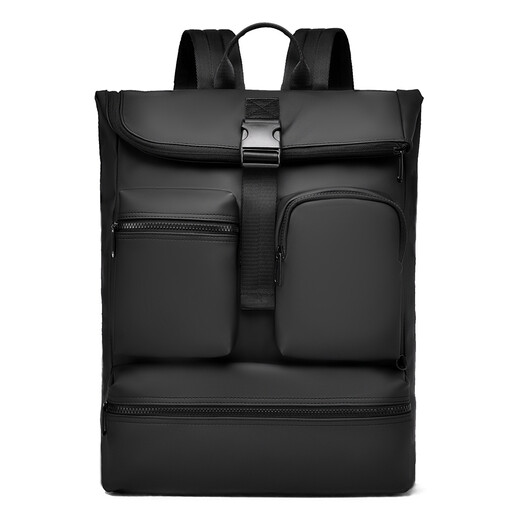
Why it suits this profile: The flip-top design is a good fit if you’re looking for one backpack for school, the office or everyday travel. The product title states that it fits a 15.6-inch laptop and has several external pockets, as well as an anti-theft back pocket.
The product information describes the fabric as water-resistant rather than making an absolute waterproof claim. Before buying, check the exact internal dimensions and zip construction.
A 15.6-inch size indication, flip-top design, several external pockets and a back pocket described in the product title as intended for anti-theft use.
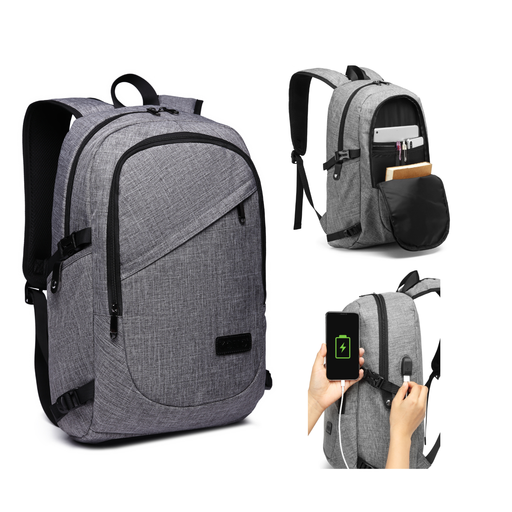
Why it suits this profile: According to the product description, this business backpack is designed for work, school, travel and commuting. It measures approximately 50 x 14 x 30 cm and weighs around 0.73 kg.
The product information specifies a laptop compartment for laptops up to 15.6 inches, but check the dimensions of your own device. The USB system is clearly described as a pass-through for your own power bank.
A padded laptop compartment, main compartment for clothes or A4 books, organiser pockets, a USB port and a removable three-digit combination lock.
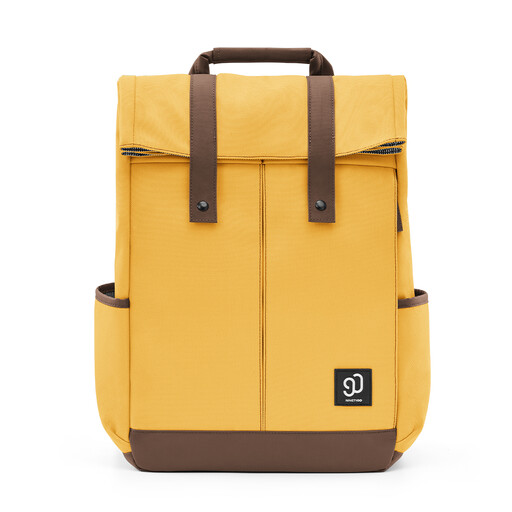
Why it suits this profile: This backpack is designed for school and work, with several compartments for everyday essentials. The product information lists 900D tear-resistant fabric and a water-resistant finish.
The manufacturer states that the fabric isn’t fully waterproof and advises avoiding prolonged exposure to heavy rain. Also note a discrepancy in the listing: the title says 15.6 inches, while one specification states 14 inches.
900D fabric, three front pockets, a separate laptop opening and reinforced side pockets for items such as a bottle.
We’ve put together a complete, up-to-date list of products that meet these strict selection criteria and the applicable European safety regulations.
No, not always. Screen size is only one indication. Check your laptop’s length, width and thickness, then compare them with the internal dimensions of the laptop compartment. A protective sleeve may also need extra room.
It depends on the material, zips, seams, weight carried and how often you use it. A backpack used for daily commuting will wear out more quickly than one used occasionally. Don’t overfill the bag, and follow the care instructions. Many models should only be wiped with a damp cloth and shouldn’t be put in the washing machine.
The USB port is usually a connection between your own power bank and cable. The backpack itself doesn’t supply power. Use a suitable, certified power bank, check the cable and remove the power bank from the bag when you’re not using it.
